

Comprehensive Guide to Mecovit DT: Pharmacological Insights and Clinical Application
Mecovit DT is a specialized pharmaceutical formulation primarily utilized in the management of nutritional deficiencies and specific neuropathic conditions. As an orthopedic and neurological supportive therapy, it plays a critical role in metabolic pathways, particularly those involving nerve regeneration and cellular energy production. This guide provides an exhaustive clinical overview of Mecovit DT, intended for healthcare professionals and patients seeking detailed information regarding its administration, safety profile, and therapeutic efficacy.
1. Introduction and Overview
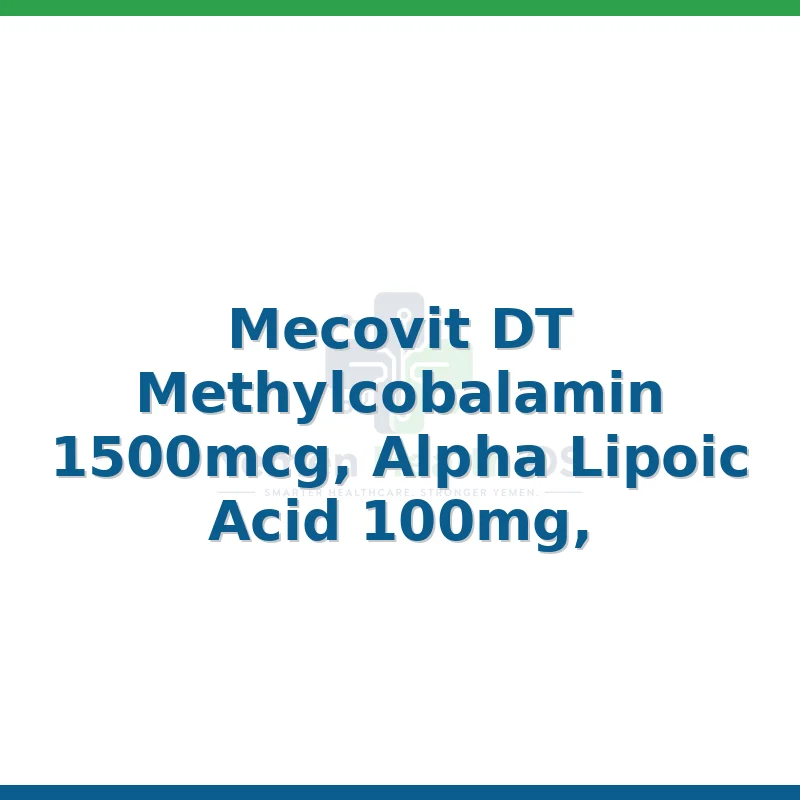
Mecovit DT is a dispersible tablet formulation designed for rapid absorption and systemic bioavailability. It is most commonly categorized as a nutritional supplement or a therapeutic agent containing active forms of B-vitamins, specifically Methylcobalamin. Methylcobalamin is the neurologically active form of Vitamin B12, which is essential for the maintenance of the myelin sheath and the synthesis of DNA.
In the context of orthopedics and neurology, Mecovit DT is frequently prescribed to address nerve damage, peripheral neuropathy, and metabolic stress. Its dispersible nature makes it an ideal choice for patients who may struggle with swallowing conventional tablets or those who require rapid-onset therapeutic support.
2. Technical Specifications and Mechanism of Action
To understand the efficacy of Mecovit DT, one must examine its core component: Methylcobalamin. Unlike cyanocobalamin, which requires conversion by the liver, Methylcobalamin is biologically active upon ingestion.
The Biochemical Pathway
- Myelin Synthesis: Mecovit DT facilitates the synthesis of phospholipids and proteins that constitute the myelin sheath. By promoting myelination, the medication aids in the repair of damaged nerves.
- Homocysteine Metabolism: It acts as a co-enzyme in the conversion of homocysteine to methionine. Elevated levels of homocysteine are toxic to vascular and neural tissues; Mecovit DT assists in neutralizing this risk.
- Nucleic Acid Synthesis: Through its role in the folate cycle, it supports DNA synthesis and cell division, which is vital for the regenerative capacity of damaged musculoskeletal tissues.
Pharmacokinetics
| Parameter | Description |
|---|---|
| Absorption | Rapidly absorbed in the gastrointestinal tract due to the DT (dispersible tablet) formulation. |
| Distribution | Primarily stored in the liver; crosses the blood-brain barrier. |
| Metabolism | Does not require hepatic conversion; active immediately. |
| Excretion | Primarily renal; excess amounts are excreted via urine. |
3. Clinical Indications and Usage
Mecovit DT is indicated for a variety of clinical scenarios where B12 deficiency or nerve dysfunction is suspected.
Primary Indications
- Peripheral Neuropathy: Used in the management of diabetic neuropathy, alcoholic neuropathy, and drug-induced nerve damage.
- Vitamin B12 Deficiency: Effective in treating megaloblastic anemia and subacute combined degeneration of the spinal cord.
- Orthopedic Recovery: Often prescribed post-surgery or after musculoskeletal injury to support nerve conduction and tissue healing.
- Neuralgia: Used as an adjunct therapy for trigeminal neuralgia and other chronic pain conditions involving the nervous system.
Dosage Guidelines
Dosage must be determined by a qualified healthcare professional based on the severity of the deficiency or the patient's clinical status.
- Standard Adult Dosage: Typically 500mcg to 1500mcg daily, divided into doses as directed.
- Administration: The tablet should be dispersed in a spoonful of water before ingestion.
- Duration: Therapy is often prescribed for 4 to 12 weeks, depending on the response to treatment and serum B12 levels.
4. Risks, Side Effects, and Contraindications
While Mecovit DT is generally considered safe with a high therapeutic index, patients must be aware of potential adverse reactions and contraindications.
Common Side Effects
Most side effects are mild and gastrointestinal in nature:
* Nausea or vomiting
* Diarrhea or abdominal discomfort
* Skin rashes (rare, usually indicating hypersensitivity)
* Headache
Contraindications
- Hypersensitivity: Patients with a known allergy to cobalamins or any of the excipients in the tablet.
- Leber’s Optic Atrophy: Use with extreme caution, as Vitamin B12 can exacerbate this condition.
- Severe Renal Impairment: Requires dose adjustment.
Drug Interactions
- Chloramphenicol: May decrease the therapeutic effect of Vitamin B12.
- Colchicine/Neomycin: Can reduce the absorption of B12 from the gut.
- Proton Pump Inhibitors (PPIs): Long-term use of PPIs may impair the absorption of oral B12, potentially necessitating higher doses of Mecovit DT.
5. Pregnancy, Lactation, and Overdose Management
Pregnancy and Lactation
Mecovit DT is generally considered safe during pregnancy when used at recommended doses. Vitamin B12 is essential for fetal neurological development. However, it should only be used under strict medical supervision. During lactation, Vitamin B12 is excreted into breast milk; therefore, supplementation is often encouraged for nursing mothers with diagnosed deficiencies.
Overdose Management
An overdose of Mecovit DT is highly unlikely due to the water-soluble nature of the vitamin. Excess amounts are typically excreted through the kidneys. However, in the event of an accidental overdose:
1. Monitor: Observe for gastrointestinal distress.
2. Hydration: Increase water intake to facilitate renal clearance.
3. Supportive Care: Symptomatic treatment is usually sufficient; hospitalization is rarely required unless severe allergic reaction (anaphylaxis) occurs.
6. Frequently Asked Questions (FAQ)
1. Is Mecovit DT the same as a regular B12 supplement?
No. Mecovit DT contains Methylcobalamin, the active co-enzyme form of B12. Many standard supplements contain Cyanocobalamin, which the body must first convert, making Mecovit DT more efficient for neurological repair.
2. Can I take Mecovit DT with other painkillers?
Yes, it is often prescribed alongside NSAIDs or gabapentinoids for neuropathic pain. However, always consult your doctor to ensure no contraindications with your specific pain medication.
3. How long does it take to see results?
For nerve-related issues, patients typically report improvements in tingling or numbness within 2 to 4 weeks of consistent use.
4. Does Mecovit DT cause weight gain?
No, there is no clinical evidence suggesting that Mecovit DT causes weight gain.
5. Should I take this on an empty stomach?
The dispersible nature allows for flexible administration. It can be taken with or without food, but taking it with water as directed is crucial for absorption.
6. Can children take Mecovit DT?
It should only be administered to children under the explicit guidance of a pediatrician, usually for diagnosed deficiency states.
7. What happens if I miss a dose?
Take the missed dose as soon as you remember. If it is nearly time for your next dose, skip the missed one. Do not double the dose.
8. Is this medication addictive?
No, Mecovit DT is a nutritional supplement and does not possess addictive properties.
9. Can I drink alcohol while taking Mecovit DT?
Excessive alcohol consumption can interfere with the absorption of B-vitamins and exacerbate nerve damage. It is recommended to limit alcohol intake during treatment.
10. Does Mecovit DT interact with diabetic medication?
There is no direct negative interaction; in fact, it is often helpful for diabetic patients to manage neuropathy. Always inform your endocrinologist of all supplements you are taking.
Conclusion
Mecovit DT stands as a vital tool in the orthopedic and neurological toolkit. By providing the body with highly bioavailable Methylcobalamin, it addresses the root cause of many neuropathic and deficiency-related ailments. While it offers significant benefits for tissue regeneration and nerve health, it must be used as part of a comprehensive treatment plan supervised by medical professionals. Always adhere to the prescribed dosage and report any unusual symptoms to your healthcare provider immediately.
Disclaimer: This guide is for informational purposes only and does not constitute medical advice, diagnosis, or treatment. Always seek the advice of your physician or other qualified health provider with any questions you may have regarding a medical condition or medication.