
Comprehensive Guide to Mediflam Fast Sachet: Clinical Insights
Mediflam Fast sachet is a specialized pharmaceutical formulation primarily utilized in the management of acute pain and inflammatory conditions. As a potent analgesic and anti-inflammatory agent, it is frequently prescribed within orthopedic and general practice settings to address conditions ranging from postoperative discomfort to acute musculoskeletal injuries.
This guide provides an exhaustive analysis of the pharmacological profile, therapeutic applications, and safety considerations associated with Mediflam Fast sachet.
1. Introduction and Pharmacological Overview
Mediflam Fast sachet is engineered for rapid absorption, allowing for a swift onset of action compared to traditional tablet formulations. The "Fast" designation refers to the effervescent or granular nature of the sachet, which facilitates quicker dissolution in the gastric environment, leading to faster peak plasma concentrations.
It is primarily used for the symptomatic relief of conditions characterized by inflammation, swelling, and pain. By modulating the body’s inflammatory response, it helps restore mobility and comfort in patients suffering from acute orthopedic trauma or chronic flare-ups.
2. Mechanism of Action and Pharmacokinetics
Mechanism of Action
The active components in Mediflam Fast sachet typically act as Non-Steroidal Anti-Inflammatory Drugs (NSAIDs). Their primary mechanism involves the inhibition of the cyclooxygenase (COX) enzymes, specifically COX-1 and COX-2.
- Prostaglandin Inhibition: By inhibiting COX enzymes, the medication prevents the conversion of arachidonic acid into prostaglandins. Prostaglandins are lipid compounds that act as local mediators of pain, fever, and inflammation.
- Peripheral and Central Effects: The reduction of prostaglandin synthesis leads to decreased sensitivity of peripheral nociceptors and potentially modulates pain pathways within the central nervous system.
Pharmacokinetics
The pharmacokinetic profile of the sachet form is distinct due to the rapid dissolution rate.
| Parameter | Description |
|---|---|
| Absorption | Rapid gastric absorption; peak plasma levels (Tmax) achieved significantly faster than solid-dose NSAIDs. |
| Distribution | High plasma protein binding (typically >95%). |
| Metabolism | Primarily hepatic metabolism via the cytochrome P450 enzyme system. |
| Elimination | Predominantly renal excretion of inactive metabolites. |
3. Clinical Indications and Usage
Mediflam Fast sachet is indicated for short-term management of acute conditions where rapid pain relief is required.
Common Indications:
- Orthopedic Trauma: Sprains, strains, and contusions resulting from sports or occupational injuries.
- Postoperative Pain: Management of pain following minor surgical procedures or dental extractions.
- Rheumatological Flare-ups: Acute exacerbations of rheumatoid arthritis or ankylosing spondylitis.
- Dysmenorrhea: Relief of primary dysmenorrhea symptoms.
- Acute Back Pain: Management of acute lumbar or cervical radiculopathy where inflammation is a primary driver of pain.
Usage Guidelines
The sachet should be dissolved in a sufficient volume of water (usually 100-200ml) and consumed immediately. It is generally recommended to be taken with or after food to minimize potential gastric irritation.
4. Risks, Side Effects, and Contraindications
While highly effective, Mediflam Fast sachet carries the systemic risks associated with NSAID therapy.
Common Side Effects
- Gastrointestinal: Nausea, dyspepsia, abdominal pain, or diarrhea.
- Dermatological: Mild rash or pruritus.
- Neurological: Occasional dizziness or headache.
Serious Risks (Requires Medical Attention)
- Gastrointestinal Ulceration: Risk of gastric or duodenal bleeding, especially with prolonged use.
- Cardiovascular Events: Potential increase in the risk of thrombotic events, myocardial infarction, or stroke.
- Renal Impairment: Potential for reduced renal blood flow, particularly in patients with pre-existing renal disease.
Absolute Contraindications
- Hypersensitivity: Known allergy to the active ingredient or other NSAIDs.
- Active Peptic Ulceration: History of gastrointestinal bleeding or active ulcers.
- Severe Heart Failure: Patients with NYHA Class II-IV heart failure.
- Third Trimester of Pregnancy: Due to risk of premature closure of the ductus arteriosus.
- Severe Renal/Hepatic Impairment: Requires strict dose monitoring or total avoidance.
5. Pregnancy, Lactation, and Special Populations
- Pregnancy: Use should be avoided, particularly in the first and third trimesters. NSAIDs may interfere with fetal circulation and renal function.
- Lactation: Use caution. While trace amounts may be excreted in breast milk, the clinical significance is generally low; however, consulting a pediatrician is mandatory.
- Elderly Patients: Increased risk of adverse gastrointestinal and renal events. Use the lowest effective dose for the shortest duration.
6. Drug Interactions
Mediflam Fast sachet may interact with several classes of medications:
| Interacting Medication | Potential Effect |
|---|---|
| Anticoagulants (e.g., Warfarin) | Increased risk of hemorrhage. |
| ACE Inhibitors/Diuretics | Reduced antihypertensive effect and increased risk of nephrotoxicity. |
| Corticosteroids | Increased risk of gastrointestinal ulceration. |
| Lithium/Methotrexate | Increased plasma concentrations of these drugs, leading to toxicity. |
7. Overdose Management
In the event of an overdose, signs may include lethargy, drowsiness, nausea, vomiting, and epigastric pain. Gastrointestinal bleeding is possible.
Management Protocols:
1. Decontamination: Gastric lavage or activated charcoal if the ingestion is recent (within 1-2 hours).
2. Supportive Care: Symptomatic treatment. Monitor renal and hepatic function.
3. Specific Antidotes: There is no specific antidote for NSAID overdose; management is strictly supportive.
8. Frequently Asked Questions (FAQ)
1. How quickly does Mediflam Fast sachet work?
Due to its effervescent delivery, it typically begins providing relief within 15 to 30 minutes, significantly faster than conventional tablets.
2. Can I take this on an empty stomach?
It is strongly advised to take it with food to reduce the risk of gastric irritation, a common side effect of NSAIDs.
3. Is Mediflam Fast sachet an antibiotic?
No. It is an anti-inflammatory and analgesic, not an antibiotic. It does not treat bacterial infections.
4. How many sachets can I take in a day?
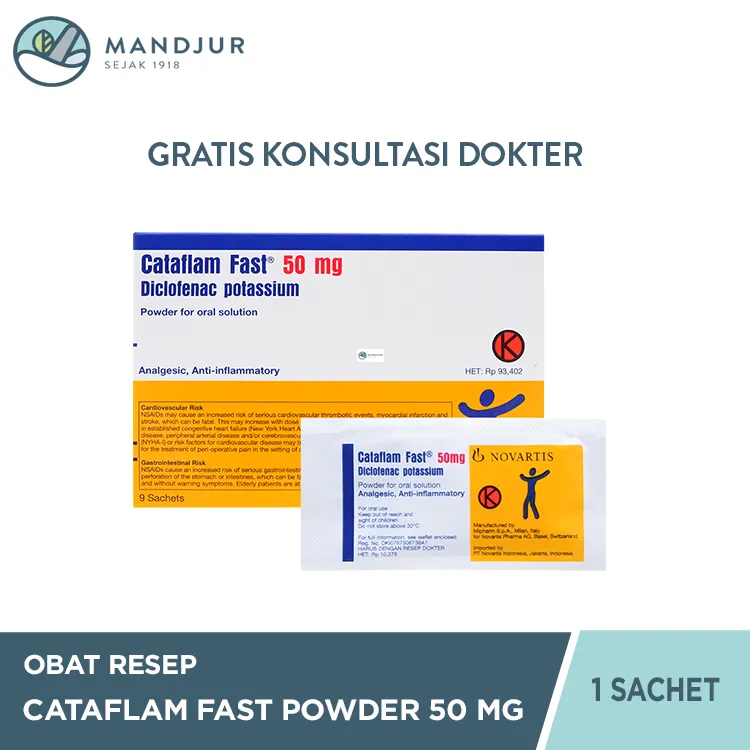
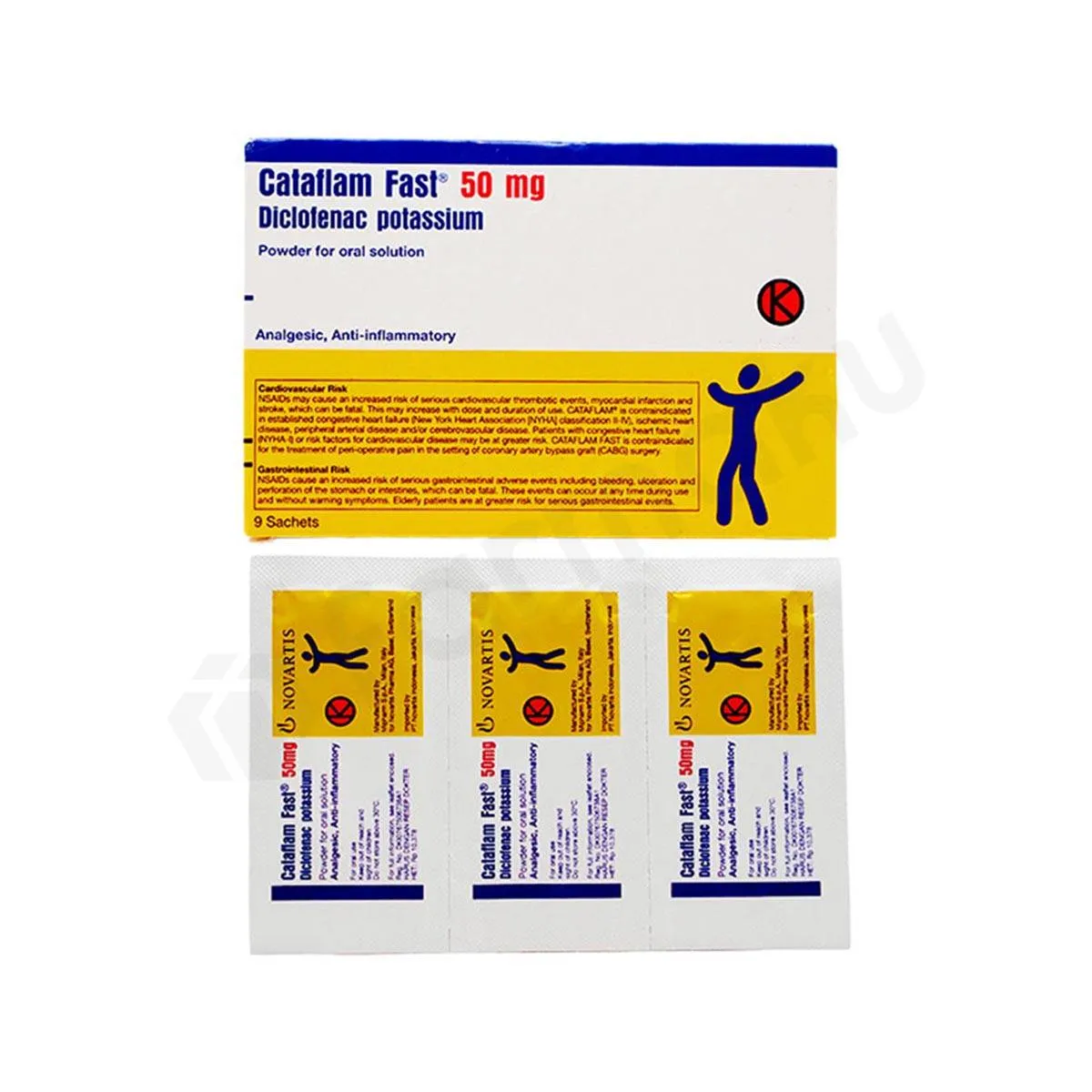
The dosage must be determined by a physician based on the severity of pain. Do not exceed the maximum daily limit prescribed on the packaging.
5. Can I use this for chronic arthritis?
While it can manage acute flare-ups, it is generally not indicated for long-term chronic management without medical supervision due to side-effect profiles.
6. Does it interact with alcohol?
Alcohol may increase the risk of gastric irritation and bleeding when combined with NSAIDs. It is best to avoid alcohol while on this medication.
7. Is it safe for children?
Pediatric use is generally discouraged unless specifically directed by a pediatrician. Dosage for children is weight-dependent.
8. What should I do if I miss a dose?
Take the dose as soon as you remember. If it is nearly time for the next dose, skip the missed one. Never double the dose.
9. Can I take it with other painkillers like Paracetamol?
Generally, yes, as they work through different mechanisms, but you must consult your doctor to ensure there are no contraindications.
10. How should I store the sachets?
Store in a cool, dry place, away from direct sunlight and moisture, and keep out of reach of children.
Conclusion
Mediflam Fast sachet is a potent tool in the orthopedic and pain management arsenal. By offering rapid relief, it significantly improves patient compliance and quality of life during acute pain episodes. However, its efficacy must be balanced against the inherent risks of NSAID therapy. Always adhere to the prescribed dosage, report any adverse reactions to your healthcare provider, and ensure a comprehensive review of your medical history before starting treatment.
Disclaimer: This guide is for informational purposes only and does not constitute medical advice. Always consult with a licensed physician or pharmacist before starting any new medication.