
Comprehensive Guide to Medrol (Methylprednisolone)
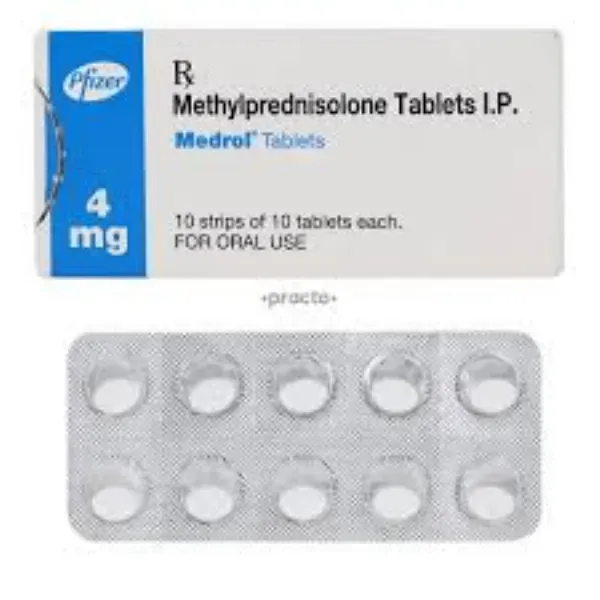
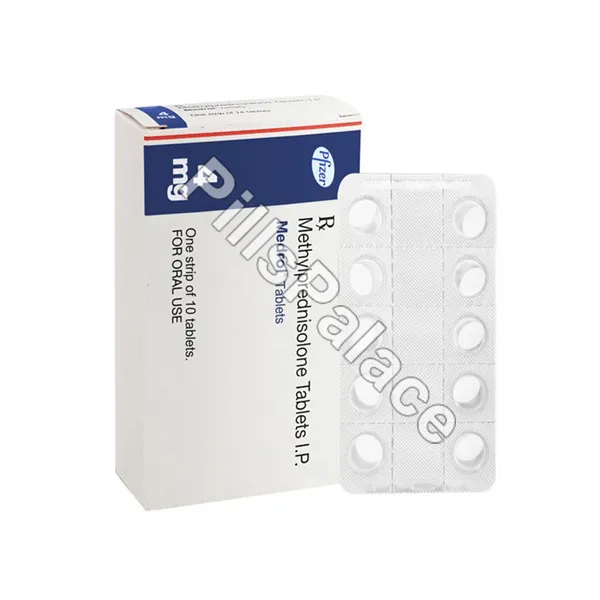
Medrol, the brand name for methylprednisolone, is a potent synthetic glucocorticoid utilized extensively across medical disciplines, particularly in orthopedics, rheumatology, and immunology. As an intermediate-acting corticosteroid, it is prized for its profound anti-inflammatory and immunosuppressive properties. This guide provides a clinical deep-dive into its pharmacological profile, therapeutic utility, and safety considerations.
1. Introduction and Clinical Overview
Medrol is a glucocorticoid receptor agonist. Unlike endogenous cortisol, methylprednisolone has minimal mineralocorticoid activity, making it a preferred choice when high-dose anti-inflammatory effects are required without significant electrolyte disturbances (such as sodium retention or hypertension). In orthopedic practice, it is often utilized to manage acute inflammatory flares, severe rheumatoid arthritis, systemic lupus erythematosus, and post-surgical inflammatory control.
2. Mechanism of Action and Pharmacokinetics
Mechanism of Action
Methylprednisolone exerts its effects by crossing cell membranes and binding with high affinity to cytoplasmic glucocorticoid receptors (GCRs). Once the ligand-receptor complex forms, it translocates to the cell nucleus, where it alters gene expression:
- Transrepression: Inhibits the expression of pro-inflammatory cytokines (IL-1, IL-6, TNF-alpha) by interfering with transcription factors like NF-κB and AP-1.
- Transactivation: Promotes the transcription of anti-inflammatory proteins, such as lipocortin-1, which inhibits phospholipase A2, thereby reducing the production of prostaglandins and leukotrienes.
Pharmacokinetics
| Parameter | Description |
|---|---|
| Bioavailability | High oral bioavailability (~80-90%) |
| Protein Binding | ~77% bound to transcortin and albumin |
| Metabolism | Hepatic (CYP3A4 enzyme system) |
| Half-Life | Plasma half-life: 2–3 hours; Biological half-life: 18–36 hours |
| Excretion | Primarily renal (metabolites) |
3. Clinical Indications and Usage
Medrol is indicated for a wide array of conditions where systemic anti-inflammatory or immunosuppressive therapy is required.
Orthopedic and Musculoskeletal Indications
- Rheumatoid Arthritis: Used as "bridging therapy" during flares or while waiting for Disease-Modifying Antirheumatic Drugs (DMARDs) to take effect.
- Ankylosing Spondylitis: Management of severe acute exacerbations.
- Acute Gouty Arthritis: Used when NSAIDs or colchicine are contraindicated or ineffective.
- Polymyalgia Rheumatica: Primary treatment for symptom control.
Other Systemic Indications
- Dermatological: Severe psoriasis, bullous dermatitis herpetiformis.
- Allergic States: Serum sickness, drug hypersensitivity reactions.
- Respiratory: Symptomatic sarcoidosis, fulminating pulmonary tuberculosis (with chemotherapy).
Dosage Guidelines
Dosage is highly individualized based on the disease severity and patient response.
- Initial Dose: Typically ranges from 4 mg to 48 mg per day.
- Tapering: Essential for long-term use to prevent hypothalamic-pituitary-adrenal (HPA) axis suppression. Abrupt withdrawal can precipitate adrenal crisis.
- Pulse Therapy: In acute emergencies, higher doses (e.g., 250 mg to 1g) may be administered intravenously (as methylprednisolone sodium succinate) for short durations.
4. Risks, Side Effects, and Contraindications
Contraindications
- Systemic Fungal Infections: Glucocorticoids can exacerbate fungal dissemination.
- Hypersensitivity: Known allergy to methylprednisolone.
- Live Vaccines: Contraindicated in patients receiving immunosuppressive doses.
Common Side Effects
| System | Potential Side Effects |
|---|---|
| Endocrine | Hyperglycemia, HPA axis suppression, Cushingoid features |
| Musculoskeletal | Osteoporosis, myopathy, avascular necrosis (if high dose/long term) |
| Gastrointestinal | Peptic ulceration, increased risk of perforation |
| Neurological | Insomnia, mood swings, psychosis, pseudotumor cerebri |
| Ophthalmic | Cataracts, increased intraocular pressure (glaucoma) |
Pregnancy and Lactation
- Pregnancy: Category C. Animal studies show teratogenic effects. Use only if the potential benefit justifies the risk to the fetus. Infants born to mothers on long-term steroids should be monitored for hypoadrenalism.
- Lactation: Methylprednisolone is excreted in breast milk. Caution is advised, and monitoring of the infant for growth suppression is recommended.
5. Drug Interactions
Medrol is a substrate for the CYP3A4 enzyme. Therefore, interactions are frequent:
* CYP3A4 Inducers (e.g., Rifampin, Phenytoin, Phenobarbital): Can increase the metabolism of Medrol, reducing its efficacy.
* CYP3A4 Inhibitors (e.g., Ketoconazole, Erythromycin, Ritonavir): Can decrease the metabolism of Medrol, increasing the risk of toxicity and side effects.
* NSAIDs: Concomitant use increases the risk of gastrointestinal ulceration and hemorrhage.
* Diuretics: Increased risk of hypokalemia.
6. Overdose Management
Acute overdose of Medrol is rarely fatal but requires clinical vigilance.
* Symptoms: Generally manifest as an exaggeration of side effects (fluid retention, hypertension, hyperglycemia).
* Treatment: No specific antidote exists. Management is supportive. Gastric lavage is rarely indicated unless the ingestion was massive and recent. If the patient is on chronic therapy, tapering is the preferred strategy rather than abrupt cessation.
7. Frequently Asked Questions (FAQ)
1. Is Medrol a steroid?
Yes, Medrol is a synthetic corticosteroid. It mimics the effects of cortisol, a natural hormone produced by the adrenal glands.
2. Can Medrol cause weight gain?
Yes, fluid retention and changes in fat distribution are common side effects of long-term corticosteroid therapy.
3. Why do I have to taper off Medrol?
Abruptly stopping Medrol can lead to "steroid withdrawal," as your adrenal glands have slowed down their own natural production of cortisol. A taper allows your body to resume normal hormone production.
4. Can I take Medrol with food?
Yes, it is highly recommended to take Medrol with food or milk to minimize gastric irritation.
5. Does Medrol interact with over-the-counter pain relievers?
Combining Medrol with NSAIDs (like Ibuprofen or Naproxen) significantly increases the risk of stomach ulcers. Acetaminophen is generally a safer alternative.
6. How quickly does Medrol work?
In acute inflammatory conditions, patients may feel relief within 24 to 48 hours, though systemic effects may take longer to manifest.
7. Does Medrol affect blood sugar?
Yes. Medrol can induce gluconeogenesis in the liver, which may cause significant spikes in blood glucose, particularly in patients with pre-existing diabetes.
8. Is Medrol safe for long-term use?
Long-term use carries significant risks, including bone density loss (osteoporosis), muscle wasting, and increased susceptibility to infection. It should be used at the lowest effective dose for the shortest duration possible.
9. What should I do if I miss a dose?
Take the missed dose as soon as you remember. If it is nearly time for your next dose, skip the missed one. Do not double the dose.
10. Can Medrol affect my mood?
Yes. Corticosteroids are known to cause emotional instability, ranging from insomnia and anxiety to depression or, in rare cases, steroid-induced psychosis.
Disclaimer: This document is for informational purposes only and does not constitute medical advice. Always consult with a qualified healthcare professional or orthopedic specialist before initiating, modifying, or discontinuing any corticosteroid therapy. Clinical decisions should be based on the individual patient's medical history and current diagnostic findings.