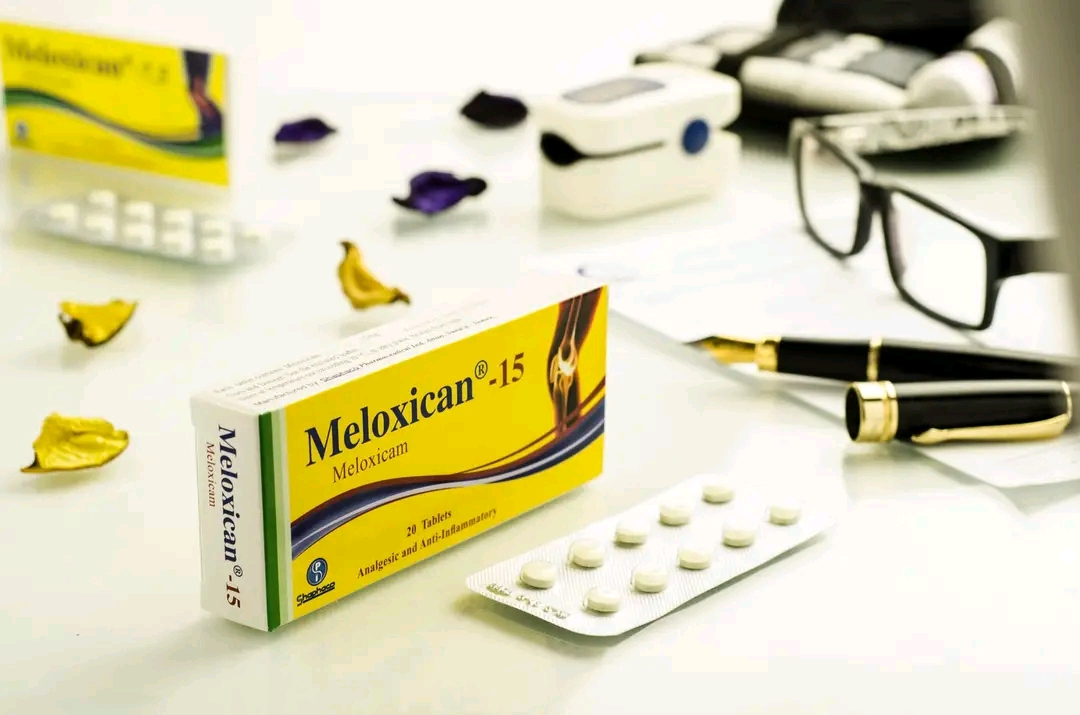

Comprehensive Clinical Guide: Meloxicam (Non-Steroidal Anti-Inflammatory Drug)
1. Introduction and Clinical Overview
Meloxicam is a potent, non-steroidal anti-inflammatory drug (NSAID) primarily utilized for the management of chronic inflammatory conditions, most notably osteoarthritis and rheumatoid arthritis. As a member of the oxicam class, it is distinguished by its preferential selectivity for the cyclooxygenase-2 (COX-2) enzyme, which theoretically offers a slightly improved gastrointestinal safety profile compared to non-selective NSAIDs like ibuprofen or naproxen, particularly at lower therapeutic doses.
In the orthopedic and rheumatologic clinical landscape, Meloxicam serves as a cornerstone therapy for patients requiring long-term anti-inflammatory support. Its once-daily dosing regimen significantly enhances patient compliance, a critical factor in the management of chronic musculoskeletal pain.
2. Technical Specifications and Mechanism of Action
Pharmacodynamics
The primary therapeutic effect of Meloxicam is mediated through the inhibition of prostaglandin synthesis. Prostaglandins are lipid compounds that act as mediators in the inflammatory response, pain signaling, and the regulation of body temperature.
- Enzymatic Inhibition: Meloxicam inhibits the activity of cyclooxygenase enzymes (COX-1 and COX-2).
- COX-2 Selectivity: While it inhibits both, Meloxicam exhibits a higher affinity for COX-2. COX-2 is induced during inflammation, whereas COX-1 is constitutively expressed and responsible for gastric mucosal protection and platelet function. By focusing on COX-2, Meloxicam aims to provide anti-inflammatory relief while minimizing gastric mucosal injury.
Pharmacokinetics
Understanding the pharmacokinetic profile is essential for adjusting therapy in patients with hepatic or renal impairment.
| Parameter | Profile |
|---|---|
| Bioavailability | Approximately 89% (well-absorbed orally) |
| Peak Plasma Concentration | 4 to 5 hours (oral administration) |
| Protein Binding | >99% (primarily to albumin) |
| Metabolism | Hepatic (predominantly via CYP2C9 and CYP3A4) |
| Half-Life | 15–20 hours |
| Elimination | Equally distributed between urine and feces (as inactive metabolites) |
3. Clinical Indications and Dosage Guidelines
Approved Indications
Meloxicam is FDA-approved for the following clinical applications:
1. Osteoarthritis (OA): Management of signs and symptoms.
2. Rheumatoid Arthritis (RA): Management of signs and symptoms.
3. Juvenile Rheumatoid Arthritis (JRA): For patients 2 years of age and older.
Dosage and Administration
It is clinical best practice to utilize the lowest effective dose for the shortest possible duration to mitigate cardiovascular and gastrointestinal risks.
- Adults (OA/RA): Initial and maintenance dose is 7.5 mg once daily. If clinical benefit is insufficient, the dose may be increased to 15 mg once daily.
- Pediatrics (JRA): 0.125 mg/kg once daily, not to exceed 7.5 mg.
- Hepatic/Renal Impairment: No specific dosage adjustment for mild-to-moderate impairment, but extreme caution is advised in severe renal failure (CrCl < 30 mL/min).
4. Risks, Side Effects, and Contraindications
Contraindications
Meloxicam is strictly contraindicated in the following scenarios:
* Known Hypersensitivity: History of asthma, urticaria, or allergic-type reactions to aspirin or other NSAIDs.
* CABG Surgery: Use in the setting of coronary artery bypass graft (CABG) surgery is strictly prohibited due to increased risk of myocardial infarction and stroke.
* Severe Renal Impairment: Advanced renal disease.
Black Box Warnings
- Cardiovascular Risk: NSAIDs may cause an increased risk of serious cardiovascular thrombotic events, myocardial infarction, and stroke.
- Gastrointestinal Risk: NSAIDs cause an increased risk of serious gastrointestinal adverse events, including bleeding, ulceration, and perforation of the stomach or intestines.
Common Side Effects
- Gastrointestinal: Dyspepsia, nausea, diarrhea, abdominal pain.
- Neurological: Dizziness, headache.
- Dermatological: Rash, pruritus.
- Respiratory: Upper respiratory tract infection symptoms.
5. Drug Interactions and Special Populations
Significant Interactions
- Anticoagulants (Warfarin): Increased risk of bleeding due to inhibition of platelet aggregation and mucosal damage.
- ACE Inhibitors/Diuretics: Meloxicam may diminish the antihypertensive effect and potentially increase the risk of acute renal failure.
- Methotrexate: Potential for increased methotrexate toxicity due to reduced renal clearance.
- Lithium: Increased plasma lithium concentrations.
Pregnancy and Lactation
- Pregnancy: Use should be avoided, particularly in the third trimester, as it can cause premature closure of the ductus arteriosus.
- Lactation: It is not known whether Meloxicam is excreted in human milk; however, caution is advised.
6. Overdose Management
Acute overdose of Meloxicam is typically managed with supportive care. There is no specific antidote.
- Decontamination: If the ingestion is recent, activated charcoal may be considered.
- Monitoring: Monitor renal function, liver enzymes, and signs of GI bleeding.
- Supportive Therapy: Maintain adequate hydration and urinary output. Hemodialysis is generally ineffective due to high protein binding.
7. Massive FAQ Section: Frequently Asked Questions
Q1: Is Meloxicam the same as Ibuprofen?
No. While both are NSAIDs, Meloxicam is more selective for COX-2 and has a significantly longer half-life, allowing for once-daily dosing, whereas Ibuprofen typically requires multiple doses per day.
Q2: How long does it take for Meloxicam to work?
Patients may notice relief within a few days, but it often takes 1 to 2 weeks of consistent daily use to reach steady-state plasma levels and achieve the full anti-inflammatory effect.
Q3: Can I take Meloxicam with Tylenol (Acetaminophen)?
Yes, generally. Acetaminophen is not an NSAID and works via a different mechanism (primarily central). However, consult your physician to ensure it is appropriate for your specific health profile.
Q4: Does Meloxicam cause weight gain?
Weight gain is not a direct side effect of the drug, but NSAIDs can cause fluid retention, which may manifest as a slight increase in weight or peripheral edema.
Q5: Can I drink alcohol while taking Meloxicam?
It is strongly advised to limit or avoid alcohol. Both alcohol and Meloxicam can irritate the stomach lining, significantly increasing the risk of gastric ulcers or bleeding.
Q6: What should I do if I miss a dose?
Take the missed dose as soon as you remember. If it is almost time for your next dose, skip the missed one. Do not take two doses at once.
Q7: Is Meloxicam a narcotic or addictive?
No. Meloxicam is a non-narcotic, non-addictive medication. It does not produce the physiological dependence associated with opioids.
Q8: Does Meloxicam affect blood pressure?
Yes. NSAIDs can cause sodium and water retention, which may lead to elevated blood pressure or interfere with the efficacy of antihypertensive medications.
Q9: Can Meloxicam be taken on an empty stomach?
It can be taken with or without food. However, taking it with food or milk may reduce the risk of gastrointestinal upset.
Q10: Why does the doctor monitor my blood work?
Long-term use of NSAIDs requires monitoring of renal function (Creatinine/BUN) and liver enzymes to ensure the medication is not causing systemic toxicity or silent organ damage.
8. Clinical Summary for Healthcare Providers
Meloxicam remains a highly effective therapeutic tool when prescribing guidelines are strictly followed. Its efficacy in managing joint pain and inflammation is well-documented, but the provider must remain vigilant regarding the "silent" risks of long-term use—specifically cardiovascular and renal impact.
Pro-Tip for Clinical Practice: Always document the indication and periodically perform a "deprescribing" assessment. If a patient’s condition has stabilized, consider transitioning them to intermittent dosing or safer alternatives (like topical NSAIDs or physical therapy) to minimize cumulative exposure.
Disclaimer: This guide is for educational and informational purposes only and does not constitute medical advice, diagnosis, or treatment. Always seek the advice of your physician or other qualified health provider with any questions regarding a medical condition or medication.