
Comprehensive Guide to Menthol and Methyl Salicylate Topical Spray
Menthol and Methyl Salicylate topical spray is a widely utilized over-the-counter (OTC) pharmaceutical preparation categorized as a topical analgesic. Frequently referred to as a "counter-irritant," this combination therapy is a cornerstone in orthopedic and sports medicine for the management of localized musculoskeletal pain. By leveraging the synergistic effects of two distinct pharmacological agents, this spray provides rapid, targeted relief for conditions ranging from acute muscle strains to chronic arthritic discomfort.
This guide serves as an authoritative resource for healthcare professionals and patients seeking a deep understanding of the pharmacodynamics, clinical indications, and safety protocols associated with this formulation.
Mechanism of Action: The Counter-Irritant Principle
The efficacy of this topical spray relies on the concept of "counter-irritation." Unlike systemic analgesics (such as oral NSAIDs) that inhibit prostaglandin synthesis throughout the body, this topical spray works primarily through peripheral nerve stimulation and localized vasodilation.
1. Menthol (The Cooling Agent)
Menthol is a cyclic monoterpene alcohol derived from peppermint oil. It acts as a selective activator of the transient receptor potential melastatin 8 (TRPM8) ion channels.
* Sensory Modulation: By activating TRPM8, menthol creates a sensation of coolness on the skin, which distracts the nervous system from the perception of deep-seated pain (the "gate control theory" of pain).
* Local Anesthetic Properties: At higher concentrations, menthol exhibits a mild local anesthetic effect by modulating voltage-gated sodium channels, further dampening pain signaling.
2. Methyl Salicylate (The Warming Agent)
Methyl Salicylate, an ester of salicylic acid (related to aspirin), acts as a rubefacient.
* Vasodilation: When applied topically, it causes local irritation that leads to vasodilation of the capillaries. This increases blood flow to the affected area, providing a warming sensation.
* Analgesic Effect: While the mechanism is not identical to oral salicylates, there is evidence that methyl salicylate may contribute to the inhibition of cyclooxygenase (COX) enzymes in the local tissue, albeit with minimal systemic absorption.
Clinical Indications and Usage
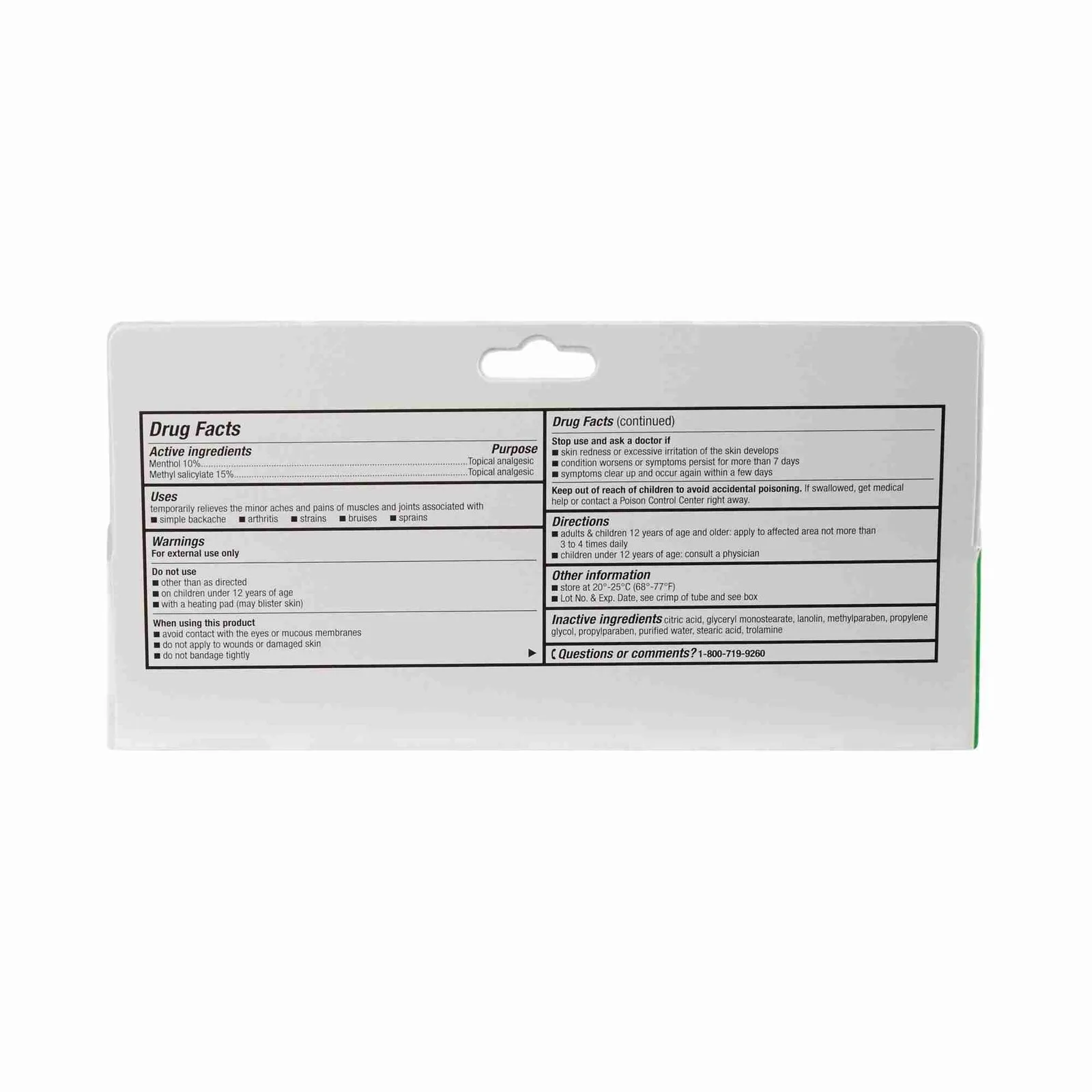
This spray is indicated for the temporary relief of minor aches and pains of muscles and joints associated with:
- Orthopedic Conditions: Osteoarthritis, rheumatoid arthritis, and bursitis.
- Sports Injuries: Strains, sprains, and muscle contusions.
- Myalgia: Simple backache, lumbago, and muscle stiffness.
- Tendonitis: Inflammation of tendons resulting from repetitive motion.
Guidelines for Administration
| Feature | Guideline |
|---|---|
| Application Area | Clean, dry skin over the affected muscle or joint. |
| Frequency | Typically 3 to 4 times daily, or as directed by a physician. |
| Technique | Hold the spray 4–6 inches from the skin; do not inhale the mist. |
| Absorption | Allow to dry naturally; avoid occlusive dressings. |
Pharmacokinetics and Systemic Absorption
Topical sprays are designed for local action, but clinicians must be aware of the pharmacokinetic profile to prevent systemic toxicity.
- Absorption: Both menthol and methyl salicylate are lipophilic, allowing them to penetrate the stratum corneum. Absorption is increased by heat, exercise, and the application of occlusive bandages.
- Metabolism: Once absorbed, methyl salicylate is hydrolyzed to salicylic acid by esterases in the skin and blood. It is subsequently excreted by the kidneys.
- Distribution: Systemic concentrations of salicylic acid following topical application are generally far lower than those achieved with oral aspirin, but in patients with impaired renal function or sensitive skin, caution is advised.
Risks, Side Effects, and Contraindications
While generally safe, this medication is not without risks.
Common Side Effects
- Dermatological: Erythema (redness), pruritus (itching), burning sensation, or blistering at the site of application.
- Systemic (Rare): If applied over large surface areas or damaged skin, systemic salicylate toxicity can occur, manifesting as tinnitus, nausea, or dizziness.
Contraindications
- Hypersensitivity: Known allergy to salicylates (aspirin) or menthol.
- Skin Integrity: Do not apply to open wounds, broken skin, or infected areas.
- Age Restrictions: Generally not recommended for children under 12 years of age without pediatric consultation.
- Drug Interactions: Use with caution in patients on anticoagulant therapy (e.g., Warfarin), as there is a theoretical (though low) risk of increased bleeding due to systemic salicylate absorption.
Pregnancy and Lactation Warnings
- Pregnancy: There is limited data regarding the safety of topical methyl salicylate during pregnancy. Because salicylates can cross the placenta and potentially cause ductus arteriosus closure in the fetus (especially in the third trimester), it is generally advised to avoid use unless the benefit outweighs the risk.
- Lactation: It is unknown if topical methyl salicylate is excreted in breast milk. Consult a physician before use while breastfeeding.
Overdose Management
Topical overdose is rare but possible if the product is ingested or applied excessively over large areas.
- Signs of Toxicity: Tinnitus, hyperventilation, confusion, or severe skin irritation.
- Management:
- Ingestion: Do not induce vomiting. Seek emergency medical attention immediately. Contact a Poison Control center.
- Dermal Overdose: Wash the area thoroughly with soap and water to remove the medication. Remove any contaminated clothing. Monitor for systemic salicylate symptoms.
Frequently Asked Questions (FAQ)
1. Is it safe to use a heating pad after applying the spray?
No. Applying external heat (heating pads, hot water bottles) significantly increases the absorption of methyl salicylate, which can lead to skin burns or systemic toxicity.
2. Can I use this spray if I am allergic to aspirin?
No. Patients with a known allergy to salicylates should avoid methyl salicylate products, as they may trigger a cross-reactive allergic response.
3. How long does the pain relief last?
Relief duration varies by individual and the severity of the injury, but most patients experience 2 to 4 hours of relief per application.
4. Why does my skin turn red after application?
The redness (erythema) is a expected side effect caused by the rubefacient action of methyl salicylate, which increases local blood flow to the area.
5. Can I apply the spray to my face or neck?
Avoid the face, eyes, and mucous membranes. The skin in these areas is thin and highly sensitive, and the menthol vapors can cause severe irritation.
6. Is this spray effective for chronic pain?
It is excellent for "breakthrough" pain management in chronic conditions like osteoarthritis, but it should be part of a broader, physician-led treatment plan.
7. What should I do if the spray gets in my eyes?
Flush the eyes immediately with cool water or saline for at least 15 minutes and seek medical attention if irritation persists.
8. Does this medication interact with other topical creams?
Do not apply other medicated creams or ointments to the same area simultaneously, as this may alter the absorption rates and cause unexpected skin irritation.
9. How should I store the spray?
Store in a cool, dry place away from direct sunlight and heat sources. Keep out of reach of children, as the spray is highly toxic if ingested.
10. Does this medication "cure" muscle injuries?
No. Menthol and methyl salicylate provide symptomatic relief by masking pain and reducing stiffness; they do not promote the structural healing of torn muscle fibers or damaged cartilage.
Conclusion
Menthol and Methyl Salicylate topical spray remains a highly effective, non-invasive tool for managing musculoskeletal discomfort. When used according to clinical guidelines, it offers a safe alternative to systemic analgesics, particularly for patients who wish to avoid the gastrointestinal side effects associated with oral NSAIDs. Always consult with a healthcare professional if pain persists beyond seven days or if symptoms worsen, as these may be indicators of an underlying condition requiring advanced orthopedic intervention.