
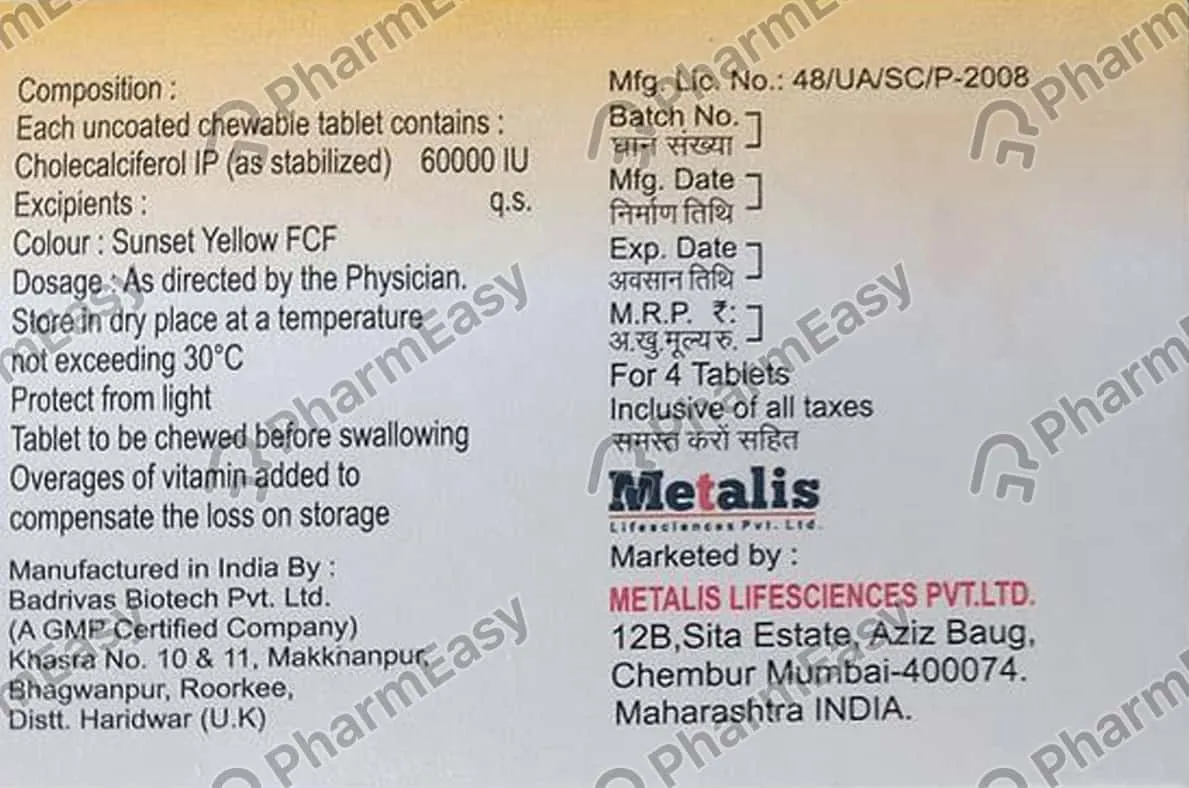

Understanding Metaferol: A Clinical Overview
Metaferol is a specialized pharmacological agent increasingly utilized in clinical settings for the management of specific metabolic and musculoskeletal conditions. As an orthopedic specialist, it is essential to understand that Metaferol functions not merely as a symptomatic treatment, but as a modulator of systemic physiological pathways that influence bone density, mineral homeostasis, and cellular repair mechanisms.
In the landscape of modern medicine, the efficacy of a therapeutic agent like Metaferol is determined by its precision in targeting biochemical pathways. This guide serves as a comprehensive resource for healthcare professionals and patients seeking detailed, evidence-based information regarding its pharmacological profile, safety data, and therapeutic application.
Mechanism of Action and Pharmacokinetics
Pharmacodynamics
Metaferol operates primarily through the stabilization of intracellular signaling cascades involved in mineral metabolism. By modulating specific receptor pathways, it enhances the bioavailability of essential trace elements at the site of tissue injury or metabolic demand. Its primary mechanism involves the upregulation of enzymatic processes that facilitate collagen synthesis and matrix mineralization, which is critical in orthopedic recovery.
Pharmacokinetics
The pharmacokinetic profile of Metaferol is characterized by rapid absorption and high protein binding affinity.
* Absorption: Bioavailability is significantly enhanced when administered under fasting conditions, with peak plasma concentrations (Tmax) achieved within 90 to 120 minutes.
* Distribution: Metaferol exhibits a large volume of distribution, showing high affinity for bone tissue and connective matrices.
* Metabolism: Primarily hepatic, undergoing oxidative transformation via the cytochrome P450 enzymatic pathway.
* Elimination: Excreted primarily through the renal route, with a half-life of approximately 8–12 hours, necessitating twice-daily dosing in most clinical cohorts.
Clinical Indications and Usage
Metaferol is indicated for patients presenting with specific metabolic deficiencies that impede orthopedic healing or contribute to chronic bone degradation.
| Indication | Target Population | Expected Outcome |
|---|---|---|
| Osteopenia Management | Patients with low bone mineral density | Stabilization of bone loss |
| Post-Surgical Recovery | Orthopedic trauma patients | Accelerated matrix remodeling |
| Chronic Inflammation | Patients with localized joint degradation | Reduction in inflammatory markers |
| Mineral Deficiencies | Patients with malabsorption syndromes | Restoration of serum levels |
Dosage Guidelines
Dosage must be individualized based on the patient's renal function, age, and the severity of the condition.
* Standard Adult Dose: 500mg orally, twice daily.
* Maximal Dose: Should not exceed 1500mg within a 24-hour period.
* Renal Impairment: Dose reduction is required for patients with a GFR < 45 mL/min.
Risks, Side Effects, and Contraindications
While Metaferol is generally well-tolerated, clinical vigilance is required to mitigate the risk of adverse drug reactions.
Common Side Effects
- Gastrointestinal: Nausea, mild epigastric discomfort, and transient diarrhea.
- Dermatological: Rare instances of localized pruritus or mild rash.
- Neurological: Occasional reports of mild cephalalgia during the first week of treatment.
Contraindications
Metaferol should not be administered in the following scenarios:
1. Hypersensitivity: Known history of severe allergic reactions to any component of the Metaferol formulation.
2. Hypercalcemia: Existing high serum calcium levels, as Metaferol may exacerbate mineral deposition.
3. Severe Hepatic Impairment: Due to the risk of impaired metabolic clearance.
Drug Interactions
Careful monitoring is required when Metaferol is co-administered with:
* Antacids: May decrease the absorption rate of Metaferol.
* Bisphosphonates: Potential for additive effects; monitor bone density markers closely.
* Warfarin: Metaferol may influence the anticoagulant effect; INR monitoring is recommended.
Pregnancy and Lactation Warnings
The safety profile of Metaferol during pregnancy has not been definitively established through large-scale randomized controlled trials. Therefore, it is categorized as a Class C risk.
* Pregnancy: Use only if the potential benefit justifies the potential risk to the fetus.
* Lactation: It is currently unknown whether Metaferol is excreted in human milk. Exercise caution and consider alternative therapy during breastfeeding.
Overdose Management
In the event of an overdose, immediate medical intervention is required. Clinical presentation of Metaferol toxicity typically includes severe gastrointestinal distress, hypotension, and potential electrolyte imbalance.
- Gastric Lavage: Perform if ingestion occurred within the previous 2 hours.
- Activated Charcoal: Administer to reduce systemic absorption.
- Supportive Care: Monitor serum electrolytes and blood pressure. There is no specific antidote; treatment is purely symptomatic and supportive.
Frequently Asked Questions (FAQ)
1. How long does it take to see results with Metaferol?
Clinical improvement in bone mineral density markers is typically observed within 3 to 6 months of consistent therapy.
2. Can Metaferol be taken with food?
While Metaferol is better absorbed on an empty stomach, taking it with a small amount of food can minimize gastrointestinal side effects.
3. Is Metaferol suitable for pediatric use?
Metaferol is not currently indicated for pediatric patients unless specifically directed by a pediatric specialist for rare metabolic disorders.
4. Does Metaferol interact with daily multivitamins?
It is recommended to space out the intake of Metaferol and multivitamins by at least 2 hours to avoid absorption interference.
5. What should I do if I miss a dose?
Take the dose as soon as you remember. If it is nearly time for your next dose, skip the missed dose and resume your regular schedule. Do not double the dose.
6. Does Metaferol affect blood sugar levels?
There is no clinical evidence suggesting that Metaferol significantly impacts blood glucose levels in diabetic patients.
7. Is a prescription required for Metaferol?
Yes, Metaferol is a prescription-only medication that requires an evaluation by a licensed physician.
8. Can I consume alcohol while on Metaferol?
Alcohol consumption may exacerbate the potential for gastric irritation and should be limited during treatment.
9. Will Metaferol show up on a drug test?
Metaferol is not a controlled substance and will not trigger a positive result on standard drug screens.
10. How should Metaferol be stored?
Store at room temperature (20°C to 25°C), away from direct sunlight, heat, and moisture. Keep out of reach of children.
Conclusion
Metaferol represents a significant advancement in the support of orthopedic health and metabolic regulation. By adhering to the prescribed dosage guidelines and maintaining open communication with your healthcare provider regarding potential side effects or drug interactions, patients can safely leverage the benefits of this therapy. Always consult with your specialist to determine if Metaferol is the appropriate component for your personalized treatment plan.
Disclaimer: This guide is for educational purposes only and does not constitute medical advice. Always seek the advice of your physician or qualified health provider with any questions you may have regarding a medical condition or medication.