
Comprehensive Guide to Methoget (Methotrexate)
Methoget, a brand formulation of Methotrexate, stands as one of the most significant pharmacological agents in modern rheumatology, oncology, and dermatology. As an antimetabolite and antifolate drug, it has revolutionized the management of autoimmune conditions such as Rheumatoid Arthritis (RA) and Psoriatic Arthritis, while remaining a cornerstone in the treatment of various malignancies.
This guide provides an exhaustive clinical overview of Methoget, intended for educational purposes for healthcare professionals and patients seeking a deep understanding of this potent medication.
1. Deep-Dive: Mechanism of Action and Pharmacokinetics
Mechanism of Action
Methoget functions primarily as a dihydrofolate reductase (DHFR) inhibitor. By binding to and inhibiting the enzyme DHFR, it prevents the conversion of dihydrofolate to the active form, tetrahydrofolate.
- DNA Synthesis Inhibition: Tetrahydrofolate is essential for the synthesis of thymidylate and purines. By depriving the cell of these building blocks, Methotrexate inhibits DNA synthesis, repair, and cellular replication.
- Anti-inflammatory Mechanism: In the context of rheumatology, the mechanism is believed to involve the inhibition of cytokine production and the stimulation of adenosine release, which exerts anti-inflammatory effects on synovial tissues.
Pharmacokinetics
The pharmacokinetic profile of Methoget is complex, depending heavily on the route of administration (oral, subcutaneous, or intramuscular).
| Parameter | Description |
|---|---|
| Absorption | Rapidly absorbed after oral administration; bioavailability is dose-dependent. |
| Distribution | Approximately 50% protein-bound; crosses the blood-brain barrier poorly in standard doses. |
| Metabolism | Undergoes polyglutamation within cells; hepatic metabolism is minimal. |
| Excretion | Primarily renal (80-90%) via glomerular filtration and active tubular secretion. |
2. Extensive Clinical Indications & Usage
Methoget is indicated for a wide array of conditions. Because it is a potent immunosuppressant and cytotoxic agent, its use must be strictly monitored by a specialist.
Rheumatologic Conditions
- Rheumatoid Arthritis (RA): Often the first-line Disease-Modifying Antirheumatic Drug (DMARD). It is used to reduce joint swelling, pain, and stiffness, and to prevent long-term joint damage.
- Psoriatic Arthritis: Effective in managing both the skin manifestations (psoriasis) and the joint inflammation associated with the disease.
- Juvenile Idiopathic Arthritis (JIA): Standard treatment for systemic and polyarticular JIA.
Oncologic Conditions
- Acute Lymphoblastic Leukemia (ALL): Used in maintenance therapy and intrathecal prophylaxis.
- Breast Cancer and Osteosarcoma: Utilized in high-dose protocols as part of combination chemotherapy.
- Choriocarcinoma: Highly effective in gestational trophoblastic disease.
Dermatological Conditions
- Severe Psoriasis: Reserved for cases unresponsive to topical therapies and phototherapy.
3. Dosage Guidelines
Dosage is highly individualized based on the condition being treated. Note: Weekly dosing is standard for rheumatologic conditions to avoid severe toxicity.
Standard Rheumatologic Dosing
- Initial Dose: Typically 7.5 mg to 15 mg administered once weekly.
- Maintenance: May be titrated up to 25 mg weekly based on clinical response and tolerability.
- Folic Acid Supplementation: It is standard clinical practice to prescribe folic acid (e.g., 1–5 mg daily, excluding the day of Methotrexate intake) to reduce mucosal and gastrointestinal side effects.
Oncologic Dosing
Oncologic dosing often involves "high-dose" regimens (g/m²) which require inpatient monitoring, hydration, and leucovorin rescue to prevent fatal toxicity.
4. Risks, Side Effects, and Contraindications
Common Side Effects
- Gastrointestinal: Nausea, stomatitis, and abdominal pain.
- Hematologic: Leukopenia, thrombocytopenia, and anemia.
- Dermatologic: Photosensitivity and alopecia.
Serious Risks (Black Box Warnings)
- Hepatotoxicity: Chronic fibrosis and cirrhosis can occur with long-term use. Liver function tests (LFTs) must be monitored regularly.
- Pulmonary Toxicity: Potential for interstitial pneumonitis, which can be fatal.
- Bone Marrow Suppression: Severe myelosuppression can occur, especially if dosing intervals are confused (e.g., daily instead of weekly).
Contraindications
- Pregnancy: Methotrexate is a known teratogen and abortifacient. It is strictly contraindicated in pregnancy.
- Breastfeeding: It is excreted in human milk; breastfeeding is contraindicated.
- Renal Impairment: Requires significant dose adjustment or complete avoidance in severe cases.
- Alcoholism/Liver Disease: Increases the risk of hepatotoxicity.
- Immunodeficiency Syndromes.
Drug Interactions
- NSAIDs: May decrease renal clearance of Methotrexate, increasing toxicity risk.
- Trimethoprim/Sulfamethoxazole: Can exacerbate bone marrow suppression due to synergistic antifolate effects.
- Probenecid: Inhibits renal tubular secretion of Methotrexate.
5. Pregnancy and Lactation Warnings
Methoget is classified under FDA Pregnancy Category X.
* Teratogenicity: Exposure during the first trimester can cause fetal death or severe congenital malformations (e.g., skull anomalies, limb defects).
* Contraception: Both men and women of reproductive potential must use effective contraception during treatment and for at least 6 months after the final dose.
6. Overdose Management
Methotrexate overdose is a medical emergency.
* Leucovorin Rescue: The primary antidote is Leucovorin (folinic acid), which bypasses the blocked DHFR enzyme to provide a source of reduced folates for DNA synthesis.
* Monitoring: Serum Methotrexate levels should be measured to guide the duration and dose of Leucovorin rescue.
* Supportive Care: Aggressive hydration and urinary alkalinization (to increase solubility and excretion) are critical in cases of accidental high-dose ingestion.
7. Frequently Asked Questions (FAQ)
1. Why do I only take Methoget once a week?
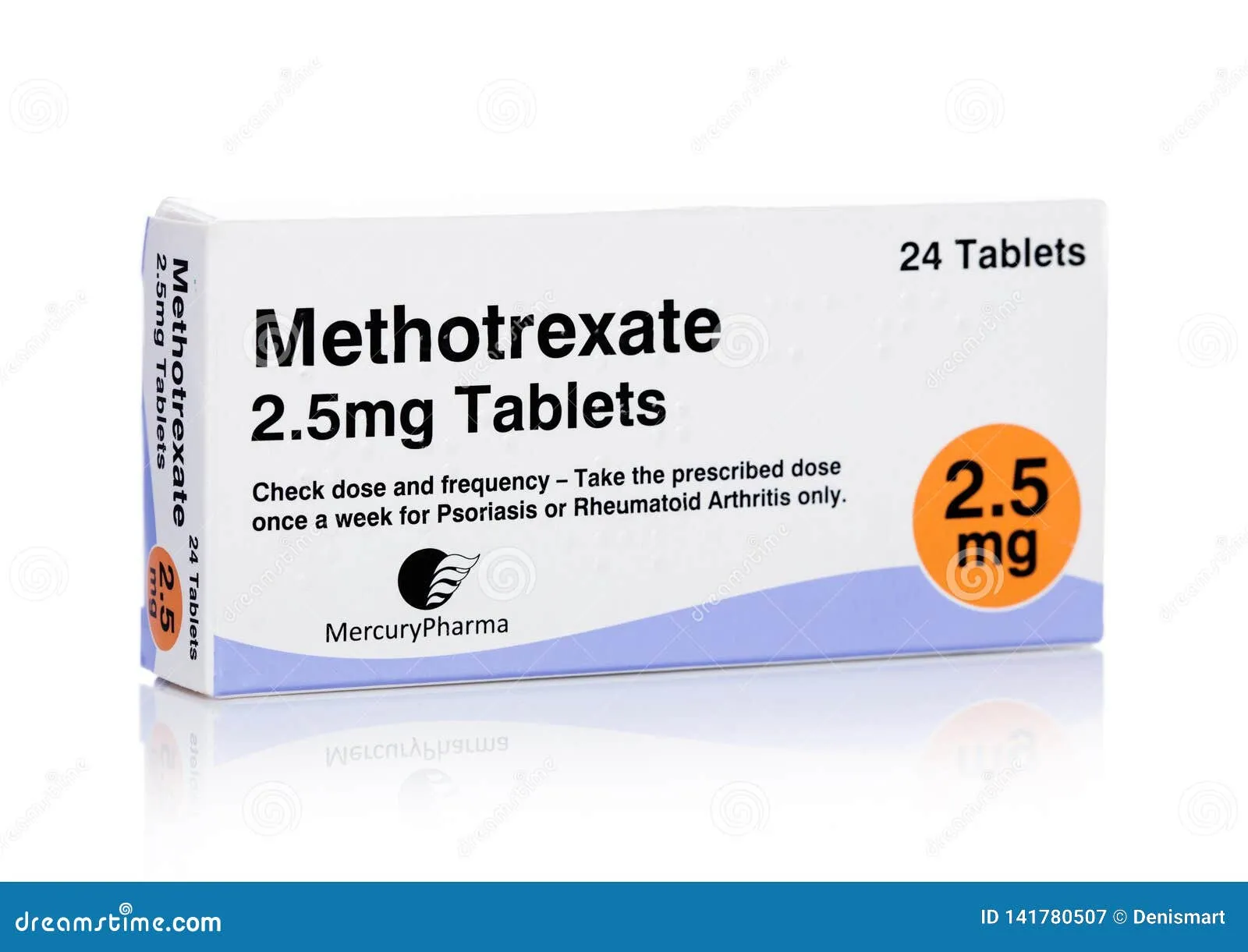
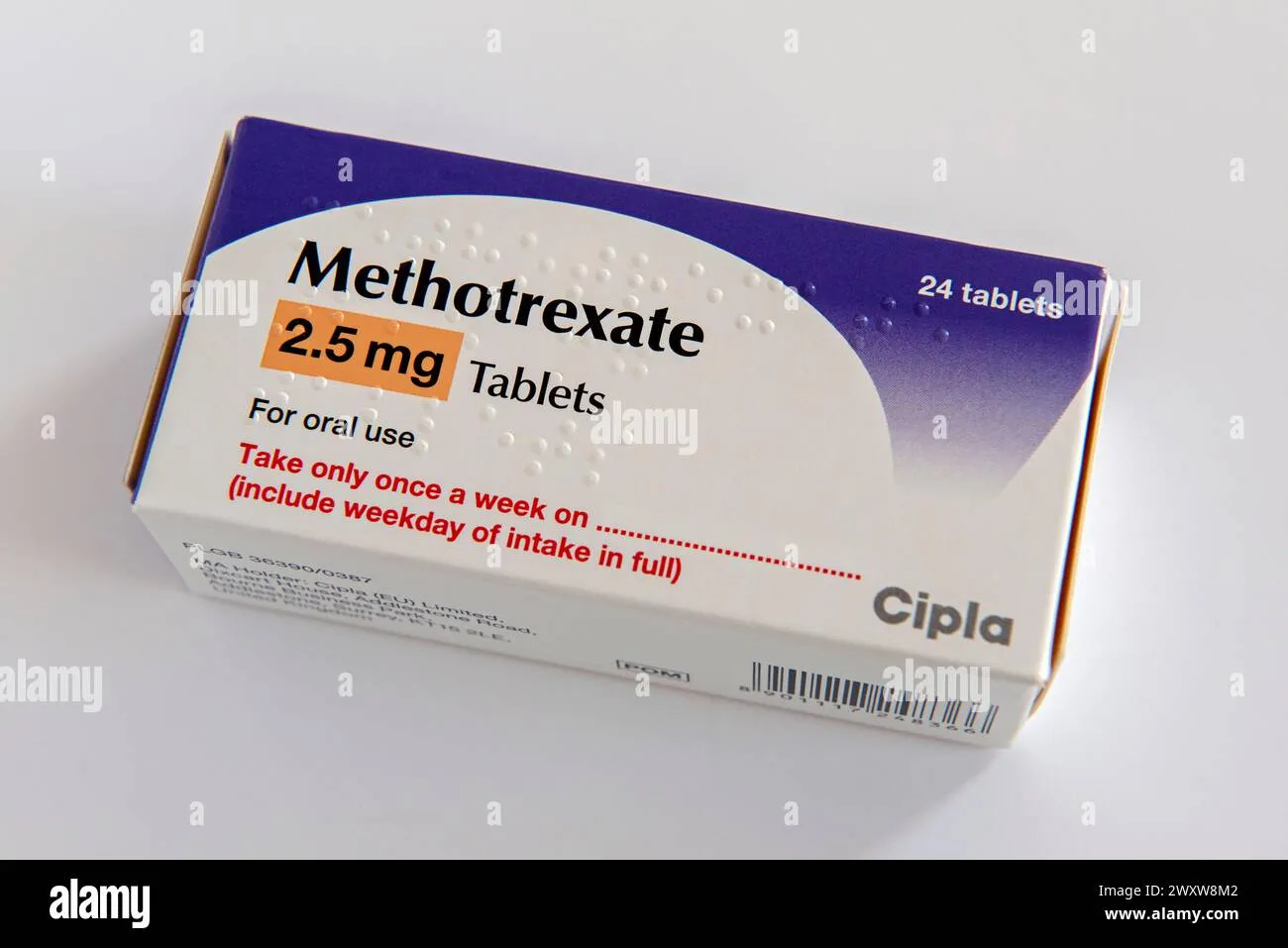
Taking Methotrexate daily for rheumatologic conditions can lead to severe, life-threatening toxicity. The weekly schedule allows for the therapeutic anti-inflammatory effect while preventing systemic organ failure.
2. Can I consume alcohol while on Methoget?
It is generally advised to avoid or strictly limit alcohol. Methotrexate is metabolized in the liver, and alcohol consumption increases the risk of liver fibrosis and cirrhosis.
3. Why is my doctor prescribing Folic Acid?
Folic acid helps mitigate common side effects like mouth sores, nausea, and hair thinning without interfering with the drug’s anti-inflammatory efficacy.
4. What should I do if I miss a dose?
Contact your physician immediately. Do not double the dose to make up for the missed one, as this increases the risk of toxicity.
5. Can I get vaccinated while on Methoget?
Inactivated vaccines (e.g., flu shot) are generally safe. However, live vaccines are contraindicated due to the immunosuppressive nature of the medication. Consult your rheumatologist before scheduling any immunizations.
6. Will Methoget affect my fertility?
Methotrexate can cause transient oligospermia in men and menstrual dysfunction in women. If you are planning to conceive, you must discuss a "washout" period with your doctor.
7. How often do I need blood tests?
Typically, blood work (CBC, LFTs, and Creatinine) is checked every 2–4 weeks initially, moving to every 8–12 weeks once a stable dose is achieved.
8. Is hair loss common?
Mild hair thinning is a known side effect, but total hair loss is rare at standard rheumatologic doses. Supplementing with folic acid may help.
9. Can I take ibuprofen with Methoget?
Occasional use is often tolerated, but chronic use of NSAIDs can increase Methotrexate levels in the blood. Always consult your provider before combining these medications.
10. How long does it take to work?
In rheumatoid arthritis, it often takes 6 to 12 weeks to notice a significant improvement in joint pain and stiffness. Patience is required as the drug builds up in the system.
Disclaimer: This content is for informational purposes only and does not constitute medical advice, diagnosis, or treatment. Always seek the advice of your physician or other qualified health provider with any questions regarding a medical condition or medication.