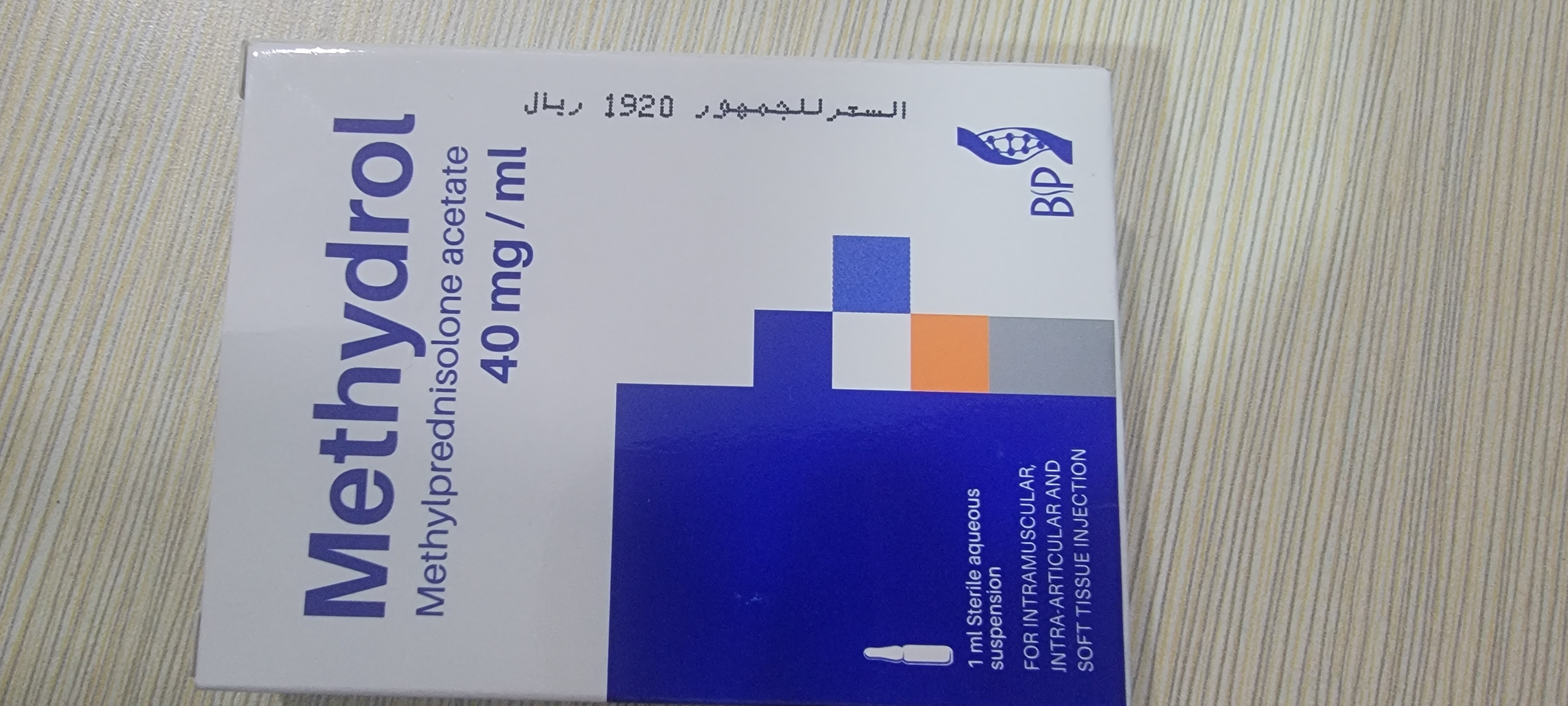
Comprehensive Clinical Overview of Methydrol Ampoules
Methydrol, known pharmacologically as Methylprednisolone sodium succinate, is a potent synthetic glucocorticoid utilized extensively in acute medical settings. As an injectable form (ampoule), it provides rapid systemic bioavailability, making it a cornerstone therapy in emergency medicine, rheumatology, orthopedics, and critical care. Unlike oral corticosteroids, the injectable formulation allows for high-dose pulse therapy, which is essential for managing acute inflammatory crises and autoimmune exacerbations.
This guide serves as a clinical reference for healthcare professionals regarding the administration, pharmacokinetics, and safety profile of Methydrol.
Mechanism of Action: The Molecular Pathway
Methylprednisolone exerts its therapeutic effects primarily through the modulation of gene expression and the inhibition of inflammatory mediators.
1. Genomic Mechanism
Upon injection, Methylprednisolone crosses the cell membrane and binds to glucocorticoid receptors (GR) in the cytoplasm. The drug-receptor complex translocates to the nucleus, where it binds to Glucocorticoid Response Elements (GREs). This process:
* Upregulates the expression of anti-inflammatory proteins (e.g., lipocortin-1).
* Downregulates the expression of pro-inflammatory cytokines (e.g., IL-1, IL-6, TNF-alpha).
2. Non-Genomic Mechanism
At high doses (pulse therapy), Methylprednisolone acts via non-genomic pathways, including membrane stabilization and rapid interference with intracellular signaling cascades. This accounts for the near-immediate relief observed in acute allergic reactions or spinal cord trauma.
Pharmacokinetics and Administration
The pharmacokinetic profile of the injectable form is characterized by rapid onset and sustained duration, depending on the dosage and individual patient metabolism.
| Feature | Description |
|---|---|
| Onset of Action | 1 to 2 hours (intravenous) |
| Peak Plasma Concentration | Rapid, following IV administration |
| Half-life (Biological) | 12 to 36 hours |
| Metabolism | Hepatic (CYP3A4 enzyme system) |
| Excretion | Renal (primarily as inactive metabolites) |
Clinical Indications and Therapeutic Usage
Methydrol is indicated for conditions where rapid, intense anti-inflammatory or immunosuppressive activity is required.
Rheumatological and Orthopedic Indications
- Acute Gouty Arthritis: To resolve intense synovial inflammation.
- Rheumatoid Arthritis: Management of acute flares.
- Post-Traumatic Arthritis: Reducing inflammation following joint trauma.
Critical Care and Emergency Indications
- Anaphylaxis: Second-line therapy following epinephrine.
- Acute Spinal Cord Injury: High-dose protocols to limit secondary neuronal damage.
- Severe Asthma/COPD Exacerbation: To reduce airway mucosal edema.
- Adrenal Insufficiency: Replacement therapy in acute crises.
Dosage Guidelines and Administration Protocols
Dosage must be individualized based on the disease severity and patient response.
General Dosing Table
| Condition | Dosage Range | Route |
|---|---|---|
| Mild Inflammation | 10–40 mg | IV/IM |
| Acute Autoimmune Flare | 40–125 mg | IV |
| Pulse Therapy (Severe) | 500 mg – 1 g | IV (Slow Infusion) |
| Adrenal Crisis | 100–200 mg | IV |
Note: When administering doses >250 mg, the injection should be administered over at least 30 minutes to prevent cardiac arrhythmias.
Contraindications and Safety Warnings
Absolute Contraindications
- Systemic Fungal Infections: Methylprednisolone may exacerbate fungal dissemination.
- Hypersensitivity: Known allergy to Methylprednisolone or any component of the formulation.
- Administration of Live Vaccines: Concurrent use is strictly prohibited due to immunosuppression.
Precautions
- Psychiatric Effects: Can induce mood swings, insomnia, or psychosis.
- Metabolic Effects: Increases blood glucose levels; requires close monitoring in diabetic patients.
- Electrolyte Imbalance: Risk of hypokalemia and sodium retention.
Pregnancy, Lactation, and Pediatric Use
Pregnancy
Methylprednisolone crosses the placenta. It should be used during pregnancy only if the potential benefit justifies the potential risk to the fetus. Infants born to mothers who received substantial doses should be monitored for signs of adrenal insufficiency.
Lactation
Glucocorticoids are excreted in breast milk. Caution is advised, as systemic corticosteroids may interfere with endogenous steroid production in the nursing infant.
Drug Interactions
| Interacting Agent | Resulting Effect |
|---|---|
| CYP3A4 Inducers (e.g., Rifampin) | Decreased efficacy of Methydrol |
| CYP3A4 Inhibitors (e.g., Ketoconazole) | Increased risk of toxicity |
| NSAIDs | Increased risk of gastrointestinal ulceration |
| Antidiabetic Agents | Reduced glycemic control |
Overdose Management
Acute overdose of Methydrol is rarely fatal. However, chronic over-exposure can lead to Cushingoid symptoms.
* Treatment: There is no specific antidote. Management is symptomatic and supportive.
* Monitoring: Blood glucose, electrolytes (potassium/sodium), and blood pressure should be assessed.
Frequently Asked Questions (FAQ)
1. Is Methydrol the same as Prednisone?
No. Methydrol is the injectable prodrug Methylprednisolone, which is more potent and acts faster than oral Prednisone.
2. Can Methydrol be injected into a joint?
Yes, but the specific formulation for intra-articular use must be confirmed. The intravenous ampoule should not be used for intra-articular injection without professional verification of the vehicle solution.
3. How fast does Methydrol start working?
When administered intravenously, the anti-inflammatory effects generally begin within 1 to 2 hours.
4. Does Methydrol cause weight gain?
Short-term use (a few days) typically does not cause significant weight gain, but prolonged use can lead to fluid retention and metabolic changes.
5. Can I stop Methydrol suddenly?
For short courses, tapering may not be necessary. However, if used for more than 7-10 days, a gradual taper is required to prevent adrenal crisis.
6. Does it interact with alcohol?
Alcohol can increase the risk of gastric irritation when combined with corticosteroids.
7. Is Methydrol safe for diabetic patients?
It is not contraindicated, but it requires strict blood sugar monitoring as it frequently causes hyperglycemia.
8. What is "Pulse Therapy"?
Pulse therapy refers to the administration of very high doses of corticosteroids (e.g., 1g) over a short period to achieve rapid immunosuppression.
9. Does it affect blood pressure?
Yes, due to mineralocorticoid activity, it can cause sodium retention and subsequent hypertension.
10. Can I drive after receiving an injection?
Generally, yes. However, if you feel dizzy or experience severe side effects, you should avoid operating machinery until the symptoms subside.
Disclaimer
This guide is for educational purposes for healthcare professionals. Medical decisions should always be based on clinical judgment, institutional protocols, and current patient assessment. Always consult the specific package insert provided by the manufacturer for the most recent safety data and stability information.