
Comprehensive Guide to Methyl Salicylate Topical Cream
Methyl salicylate, often referred to as wintergreen oil, is a foundational component in the management of musculoskeletal pain. As an orthopedic specialist, I frequently encounter patients seeking non-invasive, topical solutions for localized pain relief. Methyl salicylate topical cream acts as a counter-irritant, providing a therapeutic bridge for those suffering from acute and chronic inflammatory conditions.
This guide provides an authoritative overview of the pharmacodynamics, clinical application, and safety profile of methyl salicylate.
1. Introduction and Clinical Overview
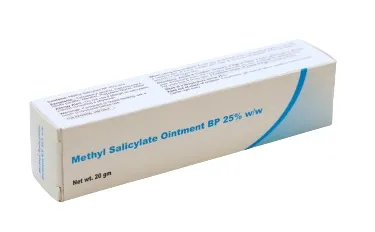
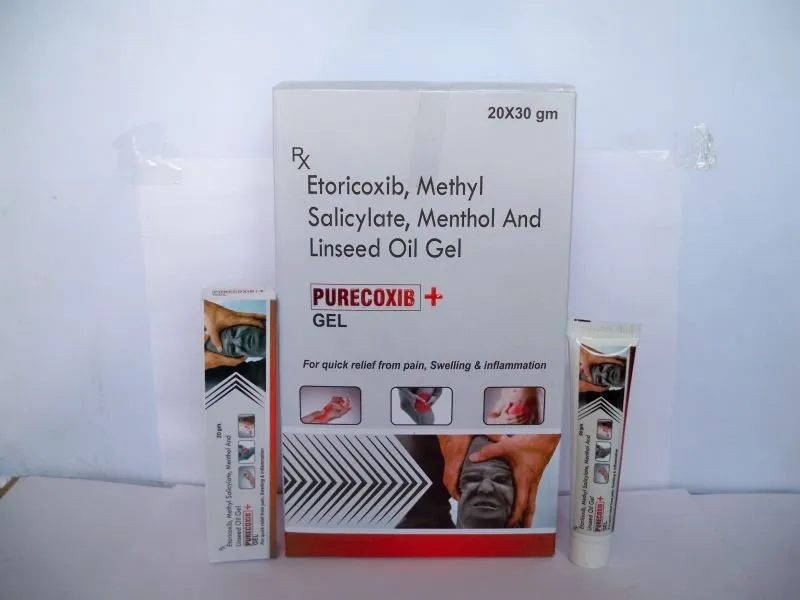
Methyl salicylate is an ester of salicylic acid and methanol. In a clinical setting, it is formulated into creams, ointments, and gels to provide relief from minor aches and pains of muscles and joints. It is widely recognized for its "rubefacient" properties—the ability to produce redness of the skin by causing dilation of the capillaries and an increase in blood circulation.
Unlike systemic non-steroidal anti-inflammatory drugs (NSAIDs), which carry risks of gastrointestinal and cardiovascular side effects, topical methyl salicylate offers a localized approach, minimizing systemic absorption while targeting the site of discomfort.
2. Mechanism of Action and Pharmacokinetics
Mechanism of Action
The efficacy of methyl salicylate is rooted in the "gate control theory" of pain. It functions primarily as a counter-irritant.
- Sensory Distraction: When applied topically, it creates a mild irritation or cooling/heating sensation on the skin. This sensory input overrides pain signals transmitted through the spinal cord, effectively "distracting" the central nervous system from the deep-seated muscle or joint pain.
- Vasodilation: By inducing local vasodilation, it increases blood flow to the affected area, which helps in the removal of metabolic waste products (such as lactic acid) and facilitates the healing process.
- Prostaglandin Inhibition: At a localized level, methyl salicylate may inhibit cyclooxygenase (COX) enzymes, thereby reducing the synthesis of prostaglandins—the primary mediators of inflammation and pain.
Pharmacokinetics
- Absorption: Methyl salicylate is lipid-soluble and penetrates the stratum corneum of the skin rapidly.
- Distribution: Once absorbed, it is hydrolyzed by esterases in the skin and blood into salicylic acid.
- Metabolism: The systemic levels achieved through topical application are generally low; however, extensive application over large surface areas can lead to measurable plasma concentrations.
- Excretion: Salicylic acid is primarily excreted by the kidneys through glomerular filtration and tubular secretion.
3. Clinical Indications and Usage
Methyl salicylate is indicated for the temporary relief of minor aches and pains associated with:
| Condition | Clinical Context |
|---|---|
| Arthritis | Minor joint stiffness and pain. |
| Backache | Muscle strain or lumbar discomfort. |
| Muscle Strains | Post-exercise soreness or minor trauma. |
| Sprains | Ligamentous irritation (acute phase). |
| Bruises | Soft tissue contusions. |
Dosage Guidelines
For most over-the-counter preparations, the following guidelines apply:
* Adults and Children >12 years: Apply a thin layer to the affected area no more than 3 to 4 times daily.
* Application: Massage the cream gently into the skin until it is fully absorbed. Ensure the skin is clean and dry before application.
* Duration: If symptoms persist for more than 7 days or recur within a few days, usage should be discontinued, and a medical evaluation is required.
4. Risks, Side Effects, and Contraindications
While generally safe, methyl salicylate is not without risk. Improper use can lead to serious toxicity.
Common Side Effects
- Localized redness (erythema).
- Burning or stinging sensation.
- Dermatitis or allergic skin reaction.
- Blistering (rare, usually due to excessive occlusion).
Contraindications
- Hypersensitivity: Known allergy to salicylates (including aspirin).
- Broken Skin: Never apply to open wounds, damaged skin, or mucous membranes.
- Concomitant Use: Avoid using with heating pads, as heat increases systemic absorption and the risk of chemical burns.
Pregnancy and Lactation
- Pregnancy: Topical salicylates should be used with caution. While systemic absorption is low, excessive use during the third trimester may theoretically pose risks similar to systemic aspirin. Consult an obstetrician before use.
- Lactation: It is unknown if topical methyl salicylate is excreted in breast milk. Use with caution and avoid application to the breast area to prevent ingestion by the infant.
5. Overdose Management
Systemic toxicity from topical methyl salicylate is rare but life-threatening, particularly in children. Symptoms include:
* Tinnitus (ringing in the ears).
* Nausea and vomiting.
* Hyperventilation (respiratory alkalosis).
* Confusion or lethargy.
Emergency Protocol: If accidental ingestion occurs or if symptoms of systemic toxicity appear, wash the skin thoroughly with soap and water to remove any remaining product and seek immediate emergency medical care. Activated charcoal may be administered if ingestion is recent.
6. Frequently Asked Questions (FAQ)
1. Is methyl salicylate the same as aspirin?
They are chemically related. Methyl salicylate is a salicylate, similar to the active metabolite of aspirin. People allergic to aspirin should avoid methyl salicylate.
2. Can I use a heating pad with this cream?
No. Using a heating pad over the application site increases blood flow and skin permeability, leading to excessive systemic absorption and a high risk of severe skin burns.
3. How often can I apply it?
Most labels suggest 3 to 4 times daily. Do not exceed the frequency stated on the product packaging.
4. Is it safe for children?
Consult a pediatrician. It is generally not recommended for children under 12 without medical supervision due to the risk of Reye’s syndrome and systemic toxicity.
5. Why does it smell like wintergreen?
Methyl salicylate is the primary component of wintergreen oil, which gives the product its signature, sharp, minty aroma.
6. Can I use it on my face or neck?
It is intended for musculoskeletal use on the body. Avoid the face, eyes, and mucous membranes, as it can cause significant irritation.
7. What should I do if I get a rash?
Stop use immediately. Wash the area with mild soap and water. If the rash persists or is severe, contact a healthcare provider.
8. Does it cure arthritis?
No. It provides temporary relief from pain and inflammation; it does not treat or cure the underlying degenerative joint disease.
9. Can I apply it to a fresh injury?
It is better to use cold therapy (ice) for the first 24–48 hours of an acute injury to reduce swelling. Methyl salicylate is better suited for sub-acute or chronic pain.
10. Does it interact with blood thinners?
If applied over large areas, systemic absorption can occur. Patients on anticoagulants (like Warfarin) should consult their doctor before regular use to avoid potential interaction with salicylate pathways.
Conclusion
Methyl salicylate topical cream remains an essential tool in the orthopedic toolkit for managing localized musculoskeletal pain. By following the recommended dosage, respecting the contraindications, and monitoring for skin sensitivities, patients can safely leverage its counter-irritant properties to improve their quality of life. Always prioritize consultation with a healthcare professional for persistent or worsening pain.