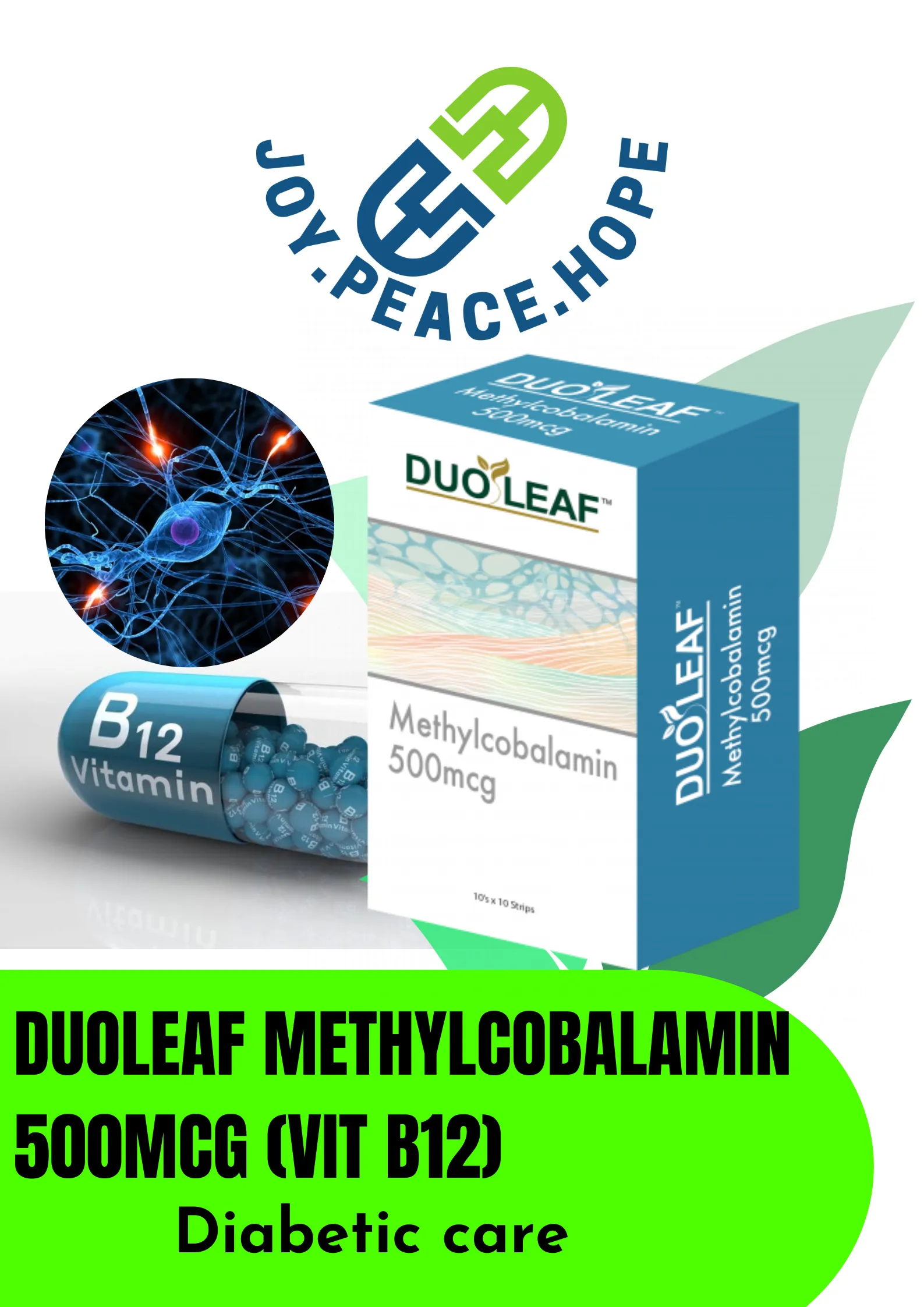

Comprehensive Guide to Methylcobalamin (Vitamin B12)
Methylcobalamin is the neurologically active form of Vitamin B12 (cobalamin). Unlike cyanocobalamin, which requires conversion by the liver, methylcobalamin is biologically ready for immediate utilization by the body. As an essential water-soluble vitamin, it plays a critical role in DNA synthesis, neurological function, and the formation of red blood cells. In orthopedic and neurological clinical practice, it is frequently utilized to support nerve regeneration and address peripheral neuropathies.
Mechanism of Action and Pharmacokinetics
Mechanism of Action
Methylcobalamin functions primarily as a cofactor for the enzyme methionine synthase. In this capacity, it facilitates the conversion of homocysteine to methionine, a process essential for the synthesis of S-adenosylmethionine (SAMe). SAMe is a universal methyl donor involved in the production of neurotransmitters and the maintenance of the myelin sheath—the protective covering of nerve fibers.
By promoting the synthesis of nucleic acids and proteins, methylcobalamin supports the structural integrity of neurons and enhances nerve conduction velocity. It also aids in the reduction of elevated homocysteine levels, which are associated with cardiovascular and neurological decline.
Pharmacokinetics
- Absorption: Methylcobalamin is absorbed via two mechanisms: intrinsic factor-mediated absorption in the ileum (for physiological doses) and passive diffusion (for high-dose supplementation).
- Distribution: It is primarily stored in the liver. It crosses the blood-brain barrier more efficiently than other forms of B12.
- Metabolism: It does not require hepatic conversion, making it the preferred form for patients with liver impairment or genetic polymorphisms (e.g., MTHFR mutations).
- Excretion: Excess amounts are primarily excreted via the kidneys in urine.
Clinical Indications and Therapeutic Usage
Methylcobalamin is indicated for conditions involving Vitamin B12 deficiency and specific neurological disorders.
Primary Indications
| Indication | Clinical Context |
|---|---|
| Peripheral Neuropathy | Diabetic neuropathy, alcoholic neuropathy, and nerve compression. |
| Megaloblastic Anemia | Treatment of B12 deficiency-related hematological issues. |
| Nerve Regeneration | Post-surgical recovery or traumatic nerve injury support. |
| Homocysteinemia | Reduction of serum homocysteine levels. |
| Cognitive Decline | Support for age-related memory loss and neurological function. |
Dosage Guidelines
Dosage varies based on the severity of the deficiency and the clinical goal.
- General Maintenance: 500 mcg to 1,000 mcg daily.
- Peripheral Neuropathy: 1,500 mcg to 3,000 mcg daily, divided into three doses.
- Severe Deficiency: Intramuscular injections (1,000 mcg) are often administered under clinical supervision for 5–10 days, followed by oral maintenance.
Risks, Side Effects, and Contraindications
While Vitamin B12 is generally considered safe due to its water-soluble nature, clinical administration requires monitoring.
Potential Side Effects
- Gastrointestinal: Mild diarrhea, nausea, or abdominal discomfort.
- Dermatological: Rare instances of skin rash or itching (hypersensitivity).
- Hematological: Potential for polycythemia in very rare, high-dose scenarios.
Contraindications
- Leber’s Optic Atrophy: Methylcobalamin should be used with extreme caution or avoided, as it may cause severe and rapid optic nerve atrophy.
- Hypersensitivity: Known allergy to cobalt or any component of the formulation.
- Renal Impairment: Patients with severe kidney failure may require dose adjustments to prevent accumulation.
Pregnancy and Lactation
Vitamin B12 is essential during pregnancy for fetal brain development and DNA synthesis. Methylcobalamin is generally considered safe for use during pregnancy and lactation when taken at recommended dosages. However, clinicians should always assess the patient's nutritional status before supplementation.
Drug Interactions
- Metformin: Long-term use of metformin can decrease B12 absorption.
- Proton Pump Inhibitors (PPIs): Long-term acid suppression can inhibit the release of B12 from food.
- Chloramphenicol: May antagonize the hematopoietic response to Vitamin B12.
- Anticonvulsants: Phenytoin and phenobarbital may lower B12 serum levels.
Overdose Management
Because methylcobalamin is water-soluble, toxicity is extremely rare. The body excretes excess amounts via the urine. In the event of an accidental massive ingestion, the patient should be monitored for gastrointestinal distress. There is no specific antidote; supportive care and hydration are the standard protocols.
Frequently Asked Questions (FAQ)
1. Is Methylcobalamin better than Cyanocobalamin?
Yes, in many clinical scenarios. Methylcobalamin is the "active" form, meaning the body does not need to convert it. Cyanocobalamin requires the liver to remove the cyanide molecule and convert it into a usable form, which may be inefficient in some patients.
2. Can I take Methylcobalamin if I have a MTHFR mutation?
Yes, it is highly recommended. Individuals with MTHFR mutations often struggle to process synthetic forms of B vitamins. Methylcobalamin bypasses these metabolic bottlenecks.
3. How long does it take to see results for nerve pain?
For peripheral neuropathy, clinical improvement is often observed after 4 to 8 weeks of consistent, high-dose supplementation.
4. Does Methylcobalamin cause weight gain?
No, there is no clinical evidence suggesting that methylcobalamin causes weight gain.
5. Should I take it with food?
It can be taken with or without food. However, taking it with a meal may reduce the risk of minor gastrointestinal upset in sensitive individuals.
6. Can I take it with other B vitamins?
Yes, it is often found in B-complex supplements. It works synergistically with Folate (B9) and Pyridoxine (B6).
7. Does it interact with my blood pressure medication?
There are no significant interactions between methylcobalamin and standard blood pressure medications. However, always consult your physician before starting new supplements.
8. Is this supplement safe for children?
It is safe for children when indicated for a diagnosed deficiency. Dosage should be strictly determined by a pediatrician based on age and weight.
9. Will it show up on a drug test?
No, methylcobalamin is a vitamin and will not interfere with standard workplace or medical drug screenings.
10. Can I stop taking it once my symptoms improve?
If you have a chronic deficiency (such as pernicious anemia or malabsorption issues), you may need lifelong supplementation. If the deficiency was diet-related, your doctor may recommend stopping once levels normalize.
Conclusion
Methylcobalamin (Vitamin B12) is a cornerstone of modern orthopedic and neurological supportive care. Its superior bioavailability and role in nerve health make it an indispensable tool for clinicians treating neuropathy and metabolic deficiencies. While generally safe, patients should adhere to professional dosage guidelines and monitor for potential interactions with existing medications. Always prioritize professional medical advice when incorporating high-dose supplementation into your health regimen.
Disclaimer: This guide is for educational purposes only and does not constitute medical advice. Always consult with a licensed healthcare professional or orthopedic specialist before beginning any new medication or supplement regimen.