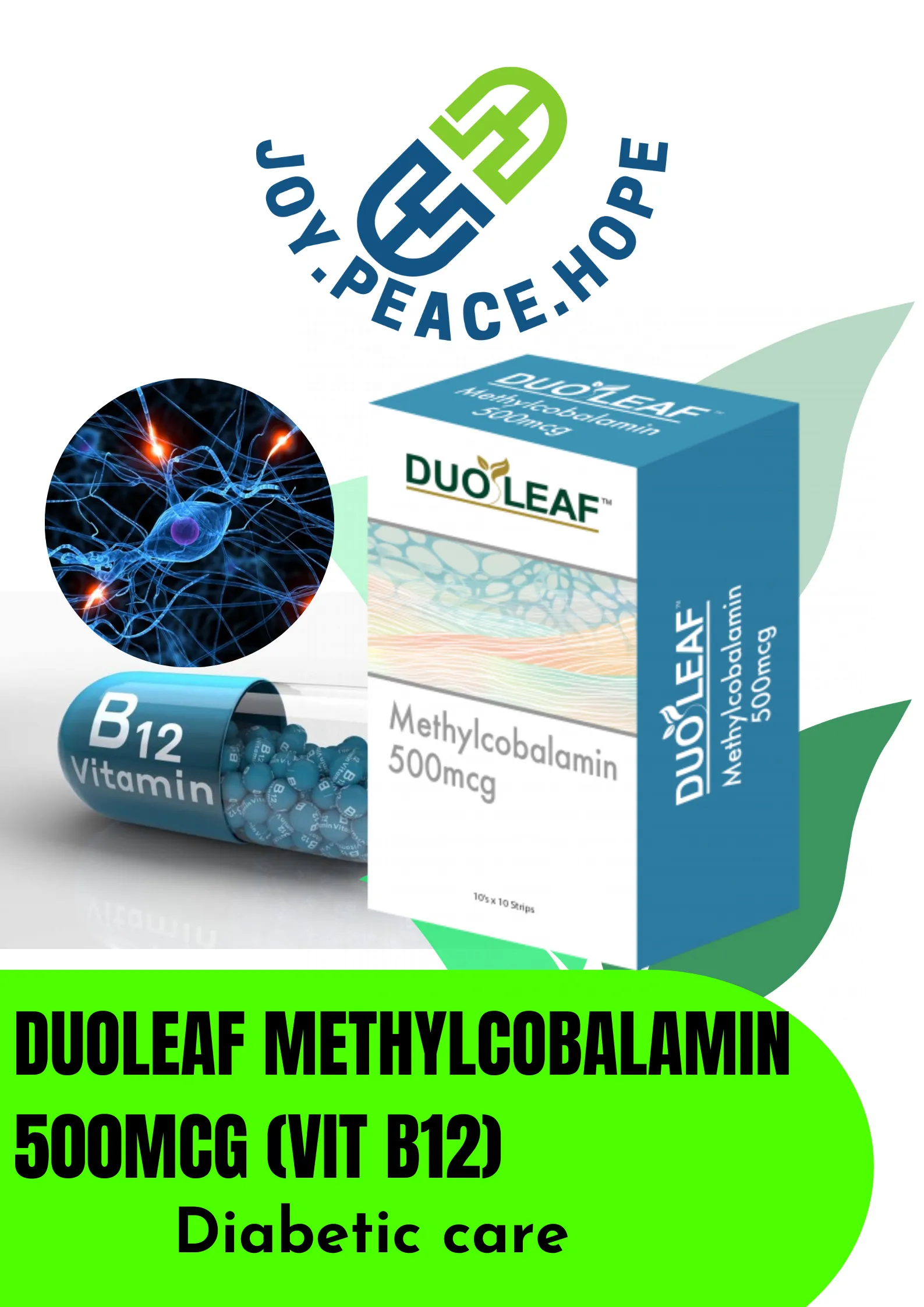

Comprehensive Overview of Methylcobal (Vitamin B12)
Methylcobal, the pharmacologically active form of Vitamin B12 (methylcobalamin), represents a critical coenzyme in human physiology. Unlike cyanocobalamin, which requires metabolic conversion in the liver, methylcobalamin is biologically active upon administration, making it a preferred therapeutic choice for addressing peripheral neuropathies, neurological deficits, and megaloblastic anemia.
In the orthopedic and neurological context, Vitamin B12 is indispensable for the maintenance of the myelin sheath—the protective covering of peripheral nerves. Deficiency in this essential nutrient often manifests as paresthesia, numbness, and motor weakness, frequently mimicking or exacerbating orthopedic conditions such as cervical radiculopathy or lumbar disc herniation.
Mechanism of Action: The Biochemical Pathway
Methylcobalamin acts as a vital cofactor for two primary enzymatic reactions in the human body:
- Methionine Synthase Reaction: Methylcobalamin facilitates the conversion of homocysteine to methionine. This process is essential for the synthesis of S-adenosylmethionine (SAMe), a universal methyl donor involved in the synthesis of neurotransmitters, phospholipids, and myelin.
- DNA Synthesis: By participating in the folate cycle, methylcobalamin supports the synthesis of deoxyribonucleic acid (DNA). This is crucial for rapidly dividing cells, including hematopoietic cells in the bone marrow.
Neuro-Regenerative Properties
In clinical orthopedics, the primary interest in Methylcobal lies in its role in nerve regeneration. Research indicates that methylcobalamin promotes the synthesis of lecithin, a key component of the myelin sheath, and stimulates axonal protein synthesis, thereby accelerating the repair of injured peripheral nerves.
Pharmacokinetics and Bioavailability
| Parameter | Description |
|---|---|
| Absorption | Primarily via Intrinsic Factor (IF) in the terminal ileum; high-dose oral therapy utilizes passive diffusion. |
| Distribution | Extensively bound to transcobalamins; stored primarily in the liver. |
| Metabolism | Active form; does not require hepatic conversion. |
| Excretion | Primarily renal (via urine) and biliary. |
| Half-life | Approximately 6 days (variable based on tissue stores). |
Clinical Indications and Orthopedic Usage
Methylcobal is indicated for a range of conditions where cobalamin deficiency or nerve damage is present.
1. Peripheral Neuropathy
Used extensively in patients with diabetic neuropathy, alcoholic neuropathy, or nerve compression syndromes (e.g., Carpal Tunnel Syndrome, Sciatica). It assists in mitigating the "tingling" (paresthesia) and burning sensations associated with nerve irritation.
2. Megaloblastic Anemia
Treatment for Vitamin B12 deficiency resulting from malabsorption, dietary insufficiency, or autoimmune conditions like Pernicious Anemia.
3. Adjunctive Orthopedic Therapy
Often prescribed alongside physical therapy and anti-inflammatory agents to support nerve recovery following spinal surgeries or traumatic nerve injuries.
4. Cognitive and Neurological Support
Used as an adjunct in treating neurological conditions characterized by cognitive decline or demyelinating processes.
Dosage and Administration Guidelines
Dosage is highly individualized based on the patient's baseline serum B12 levels and the severity of clinical symptoms.
- Oral Administration: Typically 500 mcg to 1500 mcg per day, divided into three doses. High-dose oral therapy is often effective due to the passive diffusion mechanism even in the absence of Intrinsic Factor.
- Intramuscular (IM) Injection: In cases of severe malabsorption or acute neurological deficit, 500 mcg to 1000 mcg administered IM once or twice weekly is standard.
- Duration: Therapy duration is dependent on the resolution of symptoms and normalization of blood markers. Long-term maintenance may be required for patients with permanent malabsorption issues.
Contraindications and Risks
Contraindications
- Hypersensitivity: Known allergy to cobalamins or cobalt.
- Leber’s Optic Atrophy: Use with extreme caution as it may cause severe, rapid optic atrophy.
Side Effects
While generally well-tolerated, adverse effects may include:
* Gastrointestinal: Nausea, diarrhea, or abdominal discomfort.
* Dermatological: Rare instances of skin rash or acneiform eruptions.
* Neurological: Potential for headache or dizziness in sensitive individuals.
Pregnancy and Lactation
Vitamin B12 is essential for fetal development and is generally considered safe during pregnancy when used at recommended dietary or therapeutic dosages. It is excreted in breast milk; however, there is no evidence of adverse effects on the nursing infant. Consult a physician to determine the appropriate dosage for prenatal or postnatal support.
Drug Interactions
| Interacting Agent | Potential Effect |
|---|---|
| Chloramphenicol | May decrease the hematologic response to B12. |
| Proton Pump Inhibitors (PPIs) | Long-term use reduces B12 absorption; may necessitate supplementation. |
| Metformin | Known to interfere with B12 absorption; monitoring is advised. |
| Colchicine | May impair the absorption of Vitamin B12. |
Overdose Management
Methylcobalamin has an extremely low toxicity profile due to its water-soluble nature. Excess amounts are typically excreted via the kidneys. In the event of accidental massive ingestion, symptomatic and supportive care is usually sufficient. There is no specific antidote for B12 overdose.
Frequently Asked Questions (FAQ)
1. What is the difference between Methylcobalamin and Cyanocobalamin?
Methylcobalamin is the naturally occurring, biologically active form of B12. Cyanocobalamin is a synthetic form that must be converted by the liver into methylcobalamin before the body can utilize it.
2. Can I take Methylcobal if I have a disc herniation?
Yes, it is often prescribed as an adjunct to help repair nerve damage caused by compression, but it does not treat the structural herniation itself.
3. How long does it take to see results?
For neurological symptoms, improvements may take several weeks to months of consistent supplementation.
4. Is Methylcobal safe for long-term use?
Yes, it is generally safe for long-term use, especially for patients with chronic deficiency or malabsorption issues.
5. Does Methylcobal interact with pain medications?
There are no significant negative interactions with common NSAIDs or muscle relaxants used in orthopedics.
6. Should I take it with food?
It can be taken with or without food. However, taking it with a meal may reduce the risk of mild gastrointestinal upset.
7. Does it help with energy levels?
If your fatigue is caused by B12-deficiency anemia, you will likely experience a significant boost in energy levels. It is not, however, a stimulant for healthy individuals.
8. Can I stop taking it once my symptoms improve?
Only under the guidance of a physician. If you have an underlying malabsorption issue, stopping may cause symptoms to return.
9. Are there any natural food sources for Methylcobalamin?
It is found almost exclusively in animal products, including meat, fish, eggs, and dairy. Vegetarians and vegans are at high risk of deficiency.
10. Does high-dose B12 cause acne?
In some rare cases, high-dose B12 supplementation has been linked to skin breakouts. If this occurs, consult your doctor to adjust the dosage.
Conclusion
Methylcobal (Vitamin B12) is a cornerstone of neurological and orthopedic recovery. By supporting myelin health and DNA synthesis, it provides a functional bridge to recovery for patients suffering from nerve-related pain and deficiency-based symptoms. As with any medical intervention, it should be utilized under the supervision of a healthcare professional to ensure appropriate dosing and monitoring of long-term health outcomes.
Disclaimer: This guide is for informational purposes only and does not constitute medical advice. Always consult with a licensed physician before starting any new medication or supplement regimen.