
Comprehensive Guide to Methylprednisolone Acetate (Depo-Medrol)
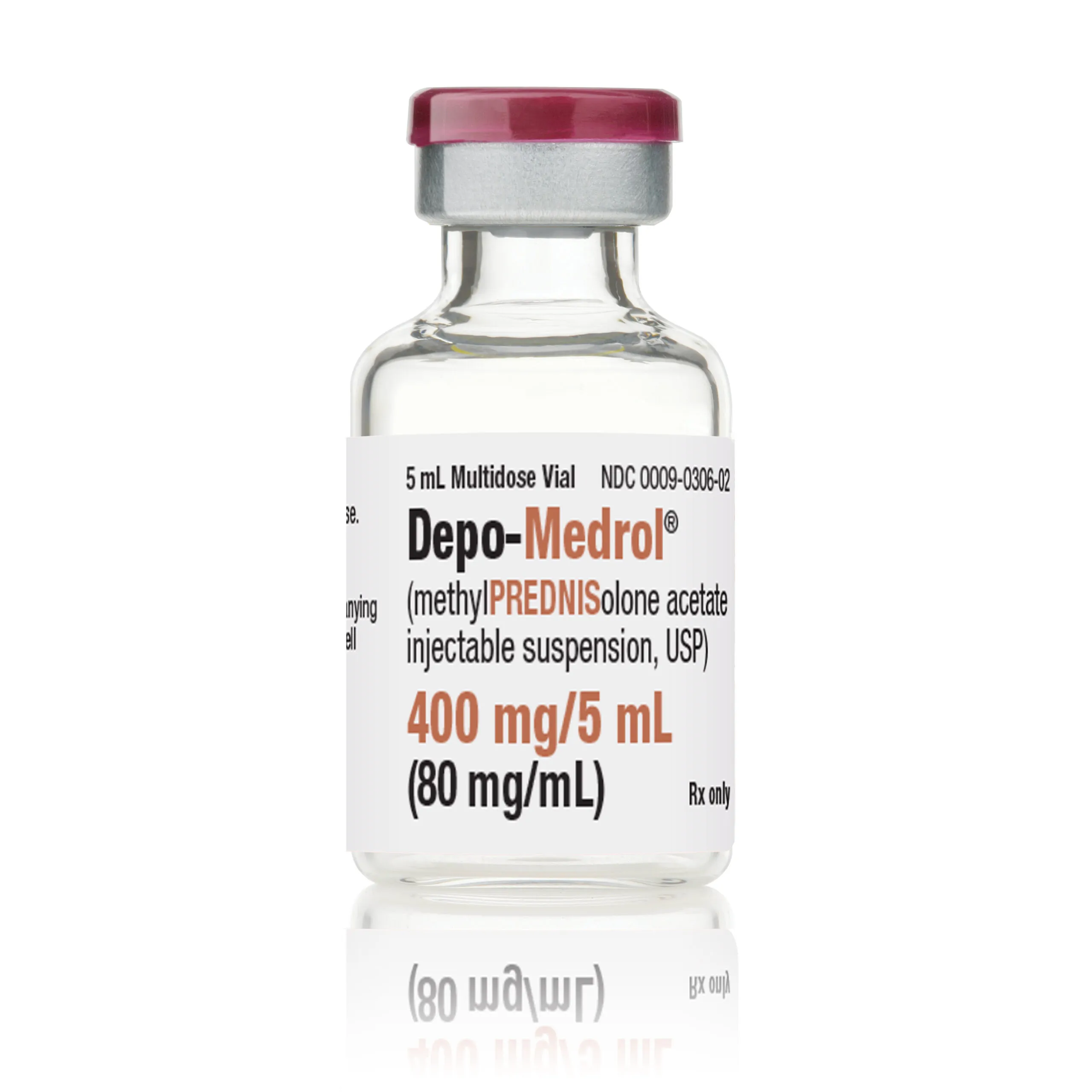
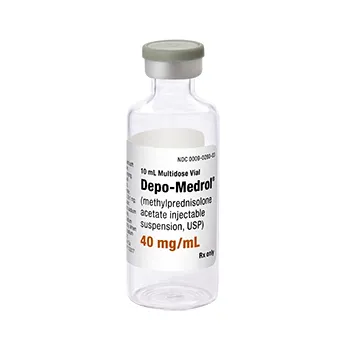
Methylprednisolone acetate, widely recognized by its brand name Depo-Medrol, is a potent synthetic glucocorticoid used extensively in orthopedic, rheumatologic, and dermatologic medicine. As a long-acting corticosteroid, it is primarily administered via injection to provide localized, sustained anti-inflammatory and immunosuppressive effects. This guide serves as an authoritative clinical resource for healthcare professionals and patients seeking detailed information on its therapeutic profile.
Mechanism of Action and Pharmacokinetics
Pharmacodynamics: How It Works
Methylprednisolone acetate functions by diffusing across cell membranes and binding to high-affinity cytoplasmic glucocorticoid receptors. Once bound, the receptor-steroid complex translocates into the cell nucleus, where it binds to specific DNA sequences known as glucocorticoid response elements (GREs).
This interaction modulates gene transcription:
* Anti-inflammatory effect: It inhibits the expression of genes responsible for pro-inflammatory cytokines (e.g., IL-1, IL-6, TNF-alpha).
* Immunosuppression: It suppresses the function of lymphocytes and macrophages and inhibits the production of prostaglandins and leukotrienes by inducing phospholipase A2 inhibitory proteins (lipocortins).
Pharmacokinetics
As an acetate ester, methylprednisolone is relatively insoluble, which accounts for its "depot" effect. Following intra-articular or soft tissue injection, the drug is released slowly from the injection site, providing a prolonged therapeutic effect that can last for several weeks.
- Metabolism: Primarily hepatic via cytochrome P450 enzymes.
- Excretion: Renal, primarily as inactive metabolites.
- Onset: Slow due to the depot nature, but sustained compared to soluble esters like methylprednisolone sodium succinate.
Clinical Indications and Therapeutic Usage
Methylprednisolone acetate is indicated for conditions where a potent, localized anti-inflammatory response is required. It is not intended for intravenous administration.
Primary Indications
| Indication Category | Specific Conditions |
|---|---|
| Rheumatology | Rheumatoid arthritis, psoriatic arthritis, ankylosing spondylitis |
| Orthopedics | Bursitis, epicondylitis, synovitis, osteoarthritis (intra-articular) |
| Dermatology | Keloids, localized hypertrophic, infiltrative inflammatory lesions |
| Allergy/Immunology | Severe seasonal or perennial rhinitis (intralesional/sublesional) |
Administration Guidelines
The dosage of Depo-Medrol is highly individualized based on the disease severity and the size of the joint or tissue being treated.
- Intra-articular (Large Joints): 20 mg to 80 mg.
- Intra-articular (Small Joints): 4 mg to 10 mg.
- Bursitis/Tendonitis: 4 mg to 30 mg.
- Intralesional (Dermatology): 20 mg to 60 mg.
Risks, Side Effects, and Contraindications
Contraindications
The use of Depo-Medrol is strictly contraindicated in:
1. Systemic Fungal Infections: Due to the risk of exacerbating infection.
2. Hypersensitivity: Known allergy to methylprednisolone or any component of the formulation.
3. Intrathecal/Epidural Administration: Improper administration can lead to severe neurological complications.
4. Infected joints or skin: Injection into an actively infected site is strictly prohibited.
Common and Serious Side Effects
While localized, systemic absorption can occur, leading to steroid-related side effects.
- Local Reactions: Post-injection flare (transient increase in pain), joint infection (septic arthritis), local atrophy of skin or subcutaneous fat, and tendon rupture (if injected directly into the tendon).
- Systemic Reactions: Hyperglycemia (especially in diabetic patients), fluid retention, hypertension, mood changes, and suppression of the hypothalamic-pituitary-adrenal (HPA) axis.
Drug Interactions
Methylprednisolone acetate interacts with several drug classes, necessitating clinical caution:
* CYP3A4 Inhibitors (e.g., Ketoconazole, Erythromycin): Can increase systemic exposure to the corticosteroid.
* CYP3A4 Inducers (e.g., Rifampin, Phenytoin): May decrease the therapeutic effect of methylprednisolone.
* NSAIDs: Concurrent use increases the risk of gastrointestinal ulceration.
* Anticoagulants: Corticosteroids may alter the response to warfarin; frequent monitoring of INR is advised.
Pregnancy and Lactation
- Pregnancy: Category C. Studies in animals have shown teratogenic effects at high doses. It should only be used during pregnancy if the potential benefit justifies the potential risk to the fetus.
- Lactation: Methylprednisolone is excreted in breast milk. Caution is advised, and clinicians should weigh the necessity of the drug against the potential for infant exposure.
Overdose Management
Acute overdose with methylprednisolone acetate is rare due to its depot, localized administration. However, in cases of systemic toxicity or massive accidental injection:
1. Supportive Care: Monitor blood glucose, electrolyte levels, and blood pressure.
2. HPA Axis Monitoring: If symptoms of adrenal insufficiency arise, temporary replacement therapy with hydrocortisone may be required.
3. No Specific Antidote: There is no specific antagonist; treatment is symptomatic.
Frequently Asked Questions (FAQ)
1. How long does it take for Depo-Medrol to start working?
Because it is a depot injection, it is not an immediate-release medication. Most patients report a reduction in inflammation and pain within 24 to 72 hours, with the full therapeutic effect peaking over the following week.
2. Can Depo-Medrol be injected into a tendon?
Direct injection into a tendon should be avoided, as it can weaken the collagen matrix and increase the risk of tendon rupture. It is generally injected into the bursa or synovial space surrounding the tendon.
3. Will this injection affect my blood sugar?
Yes. Patients with diabetes should monitor their blood glucose levels closely for 1–2 weeks post-injection, as corticosteroids can cause significant, albeit often temporary, hyperglycemia.
4. How often can I receive a Depo-Medrol injection?
Standard clinical practice suggests limiting intra-articular injections to once every 3 to 4 months to prevent potential cartilage degradation and systemic HPA axis suppression.
5. Is weight gain a common side effect?
Weight gain can occur with systemic absorption, though it is less common with localized injections than with oral prednisone. It is usually related to fluid retention.
6. What should I do if the injection site becomes red and hot?
A "post-injection flare" can occur within the first 48 hours. However, if the redness, heat, and pain persist or worsen after 48 hours, or if you develop a fever, contact your physician immediately to rule out septic arthritis.
7. Can I drive after receiving an injection?
Generally, yes. Unless the injection site is in a joint that affects your ability to operate the vehicle (e.g., an ankle or knee in the driving leg), there are no systemic sedating effects.
8. Is Depo-Medrol the same as Kenalog?
No. Depo-Medrol is methylprednisolone acetate, while Kenalog is triamcinolone acetonide. While both are corticosteroids, they have different potencies and durations of action.
9. Does it cause bone thinning (osteoporosis)?
Chronic, frequent, or high-dose systemic use of corticosteroids is associated with decreased bone density. Localized, infrequent injections are generally considered to have a much lower risk profile.
10. Can I exercise after the injection?
It is recommended to rest the affected joint for 24 to 48 hours following an intra-articular injection to allow the medication to settle and to prevent mechanical irritation of the joint space.
Disclaimer: This guide is for educational purposes only and does not constitute medical advice. Always consult with a qualified healthcare provider or orthopedic specialist before undergoing any medical procedure or treatment.