
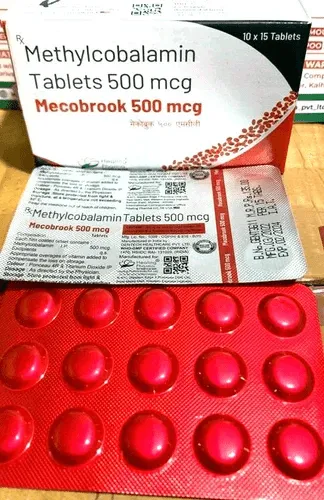


Comprehensive Overview of Methylcobalamin
Methylcobalamin is the neurologically active form of Vitamin B12 (cobalamin). Unlike cyanocobalamin, which requires hepatic conversion to become biologically active, methylcobalamin is a coenzyme that participates directly in vital physiological pathways, particularly those involving the central and peripheral nervous systems.
In clinical practice, methylcobalamin is frequently utilized to address neuropathic pain, diabetic neuropathy, and megaloblastic anemia. Its superior bioavailability and ability to cross the blood-brain barrier make it a preferred therapeutic agent in orthopedic and neurological rehabilitation settings.
Deep-Dive: Mechanisms and Pharmacokinetics
Mechanism of Action
Methylcobalamin functions as a vital cofactor in two essential enzymatic reactions:
- Methionine Synthase Activity: It acts as a cofactor for methionine synthase, which catalyzes the conversion of homocysteine to methionine. This reaction is critical for the synthesis of S-adenosylmethionine (SAMe), the universal methyl donor involved in DNA methylation and neurotransmitter synthesis.
- Myelin Repair: By supporting the synthesis of myelin—the protective sheath covering nerve fibers—methylcobalamin plays a pivotal role in the restoration of damaged neurons. This is why it is highly effective in treating peripheral neuropathies common in orthopedic patients.
Pharmacokinetics
- Absorption: Methylcobalamin is absorbed via active transport in the terminal ileum, requiring Intrinsic Factor (IF). In high-dose oral supplementation, passive diffusion also contributes to systemic availability.
- Distribution: It is highly protein-bound and stored primarily in the liver. Due to its active status, it is readily transported into nerve tissues.
- Metabolism: Unlike other B12 forms, it does not require metabolic activation.
- Excretion: Primarily renal; excess amounts are excreted through urine.
Clinical Indications and Therapeutic Usage
Methylcobalamin is indicated for a broad spectrum of conditions, particularly those involving nerve dysfunction.
| Condition | Therapeutic Rationale |
|---|---|
| Diabetic Neuropathy | Enhances nerve conduction velocity and reduces pain/numbness. |
| Peripheral Neuropathy | Facilitates axonal regeneration and myelin sheath repair. |
| Megaloblastic Anemia | Corrects B12 deficiency-related hematological abnormalities. |
| Sciatica / Radiculopathy | Adjunctive therapy to reduce inflammatory nerve pain. |
| Cognitive Decline | Supports neurological methylation pathways. |
Dosage Guidelines
Dosage varies significantly based on the clinical intent and route of administration:
- Oral Supplementation: Typically 500 mcg to 1,500 mcg daily for maintenance.
- Neuropathic Management: Clinical studies often employ 1,500 mcg to 3,000 mcg daily in divided doses.
- Injectable (IM/IV): Reserved for severe deficiency or malabsorption syndromes (e.g., Pernicious Anemia), administered under medical supervision.
Contraindications, Risks, and Interactions
Contraindications
- Hypersensitivity: Known allergy to cobalamin or cobalt.
- Leber’s Optic Atrophy: Use with extreme caution as it may cause severe, rapid optic atrophy.
Drug Interactions
- Chloramphenicol: May decrease the hematopoietic response to methylcobalamin.
- Proton Pump Inhibitors (PPIs) & H2 Blockers: Long-term use reduces the absorption of dietary B12, necessitating higher supplemental doses.
- Metformin: Known to reduce B12 absorption; long-term metformin users should be monitored for deficiency.
- Colchicine: May impair the absorption of vitamin B12 from the gastrointestinal tract.
Pregnancy and Lactation
Methylcobalamin is generally considered safe during pregnancy and lactation when used at recommended dosages. As a water-soluble vitamin, it is excreted in breast milk; however, supplementation is often necessary to maintain maternal and infant health if deficiency is present.
Overdose Management
Methylcobalamin has an exceptionally high safety profile with low toxicity. Excess intake is rapidly excreted in the urine. There is no established "toxic" dose, but patients experiencing unusual symptoms after high-dose administration should discontinue use and consult a healthcare professional.
Frequently Asked Questions (FAQ)
1. Is Methylcobalamin better than Cyanocobalamin?
Yes, in many clinical contexts. Methylcobalamin is the "active" form, meaning the body does not need to convert it, making it more efficient, especially for individuals with genetic MTHFR mutations or impaired liver function.
2. Can Methylcobalamin help with back pain?
Yes. It is frequently prescribed as an adjuvant for sciatica and lumbar radiculopathy due to its ability to repair nerve fibers and reduce the neuro-inflammatory signaling associated with nerve root compression.
3. How long does it take to see results?
For peripheral neuropathy, clinical improvement is often observed within 4 to 8 weeks of consistent, high-dose supplementation.
4. Are there any side effects?
Side effects are rare but may include mild diarrhea, skin rash, or itching. If you experience swelling or difficulty breathing, seek immediate medical attention.
5. Should I take it with food?
Methylcobalamin can be taken with or without food. However, taking it with a meal may help reduce gastrointestinal irritation in sensitive individuals.
6. Can it cause acne?
In very rare instances, high-dose B12 supplementation has been linked to acne-like eruptions. If this occurs, reducing the dosage usually resolves the issue.
7. Is it safe for vegans?
Absolutely. Since vegans are at a high risk of Vitamin B12 deficiency, methylcobalamin is an essential supplement for this population.
8. Does it interfere with blood tests?
It does not interfere with standard blood work, but it will correct a B12 deficiency, which will be reflected in your serum cobalamin levels.
9. Can I take it if I have kidney disease?
Patients with renal impairment should consult their nephrologist, as the kidneys are the primary route of excretion for excess vitamin B12.
10. Does it help with sleep?
Some users report improved sleep quality, likely due to its role in the synthesis of neurotransmitters like melatonin and serotonin.
Clinical Summary for Healthcare Professionals
Methylcobalamin represents a critical tool in the orthopedic and neurological armamentarium. Its role transcends simple vitamin replacement; it acts as a pharmacological agent capable of modulating nerve repair and metabolic health. When managing patients with chronic pain, diabetic neuropathy, or post-surgical nerve irritation, methylcobalamin should be considered as a first-line neuro-nutritive intervention.
Disclaimer: This guide is for educational purposes only and does not constitute medical advice. Always consult with a licensed healthcare provider before initiating any new supplement regimen, especially if you are currently taking prescription medications.