
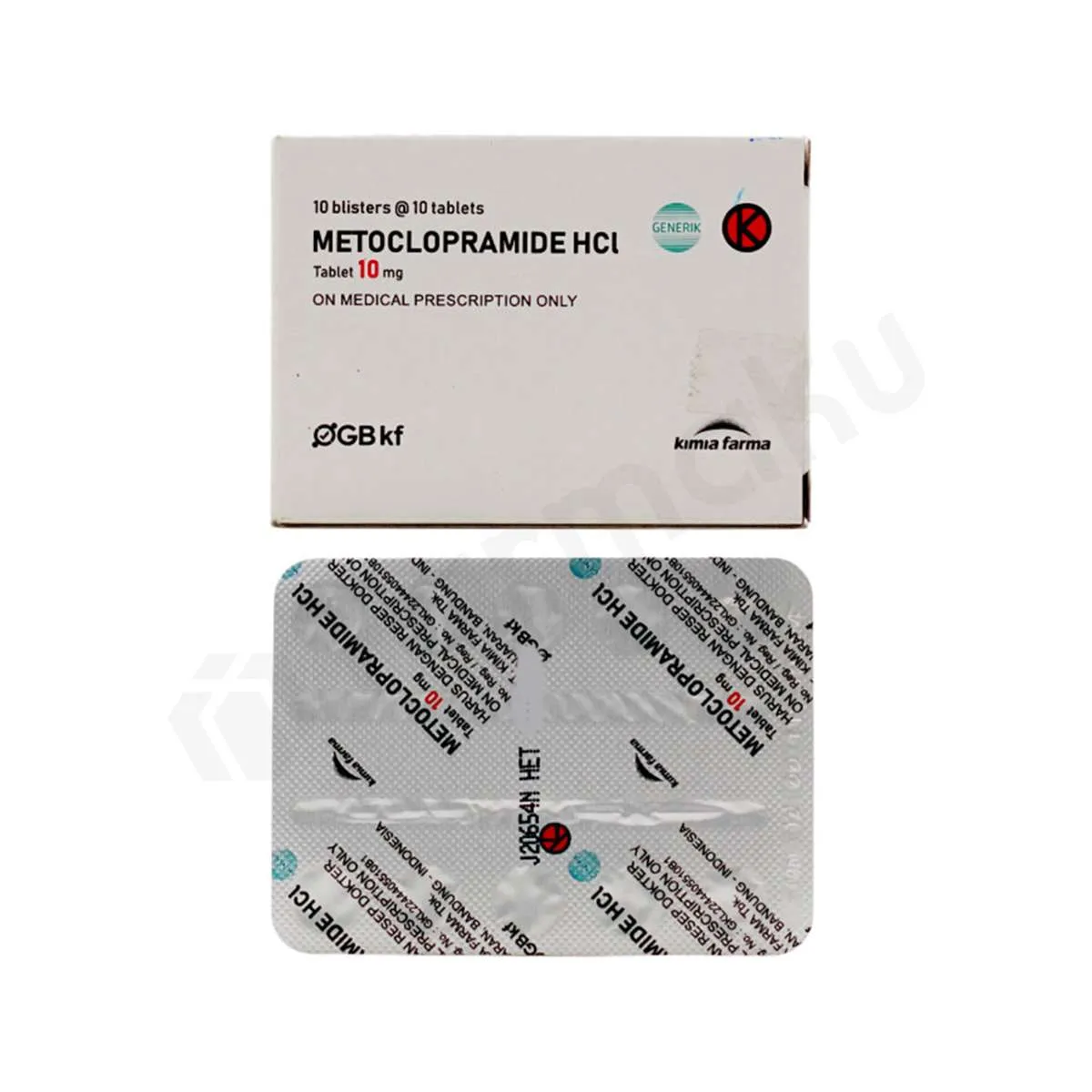

Comprehensive Overview of Metoclopramide
Metoclopramide is a potent prokinetic agent and antiemetic medication primarily used to treat gastrointestinal disorders. Classified as a dopamine receptor antagonist, it functions by accelerating gastric emptying and increasing the tone of the lower esophageal sphincter. It is widely utilized in both clinical and hospital settings for the management of nausea, vomiting, gastroparesis, and gastroesophageal reflux disease (GERD).
Because of its complex pharmacological profile, Metoclopramide requires careful clinical oversight. As an orthopedic or medical specialist, understanding the systemic effects of this drug—particularly its neurological impact—is vital when managing patients who may be concurrently prescribed pain management regimens or sedatives.
Mechanism of Action and Pharmacokinetics
Mechanism of Action
Metoclopramide exerts its effects through a dual mechanism:
- Dopamine D2 Receptor Antagonism: By blocking D2 receptors in the chemoreceptor trigger zone (CTZ) of the central nervous system, it effectively raises the threshold for vomiting, providing powerful antiemetic action.
- Serotonin Modulation: At higher doses, it acts as an antagonist at 5-HT3 receptors and an agonist at 5-HT4 receptors. This action enhances the release of acetylcholine in the gastrointestinal tract, promoting increased motility and coordination of the upper GI tract.
Pharmacokinetics
- Absorption: Rapidly absorbed following oral administration, with peak plasma concentrations occurring within 1–2 hours.
- Distribution: It crosses the blood-brain barrier and the placenta, and is distributed into breast milk.
- Metabolism: Primarily metabolized in the liver via conjugation.
- Excretion: Primarily excreted via the kidneys (both as unchanged drug and metabolites). The half-life is approximately 5 to 6 hours in patients with normal renal function.
Clinical Indications and Usage
Metoclopramide is indicated for a variety of conditions where gastric stasis or emesis is a clinical concern.
| Condition | Clinical Rationale |
|---|---|
| Diabetic Gastroparesis | Relieves symptoms of early satiety, postprandial fullness, and nausea. |
| GERD | Facilitates esophageal clearance and increases LES tone. |
| Nausea and Vomiting | Used in chemotherapy-induced or post-operative settings. |
| Diagnostic Procedures | Facilitates small bowel intubation and radiological exams. |
Dosage Guidelines
Dosage must be individualized based on the patient's renal function, age, and severity of symptoms.
- Adults: Typically 5 mg to 10 mg taken 30 minutes before meals and at bedtime.
- Pediatric Usage: Strictly weight-based and reserved for specific refractory cases due to the risk of extrapyramidal symptoms.
- Renal Impairment: Dosage reduction is mandatory for patients with a creatinine clearance below 40 mL/min.
Risks, Side Effects, and Contraindications
Side Effects
The most significant clinical concern with Metoclopramide is the potential for Extrapyramidal Symptoms (EPS), which include:
* Acute dystonia (involuntary muscle contractions).
* Parkinsonian-like tremors.
* Akathisia (restlessness).
* Tardive Dyskinesia: A serious, potentially irreversible condition characterized by repetitive, involuntary movements (tongue protrusion, grimacing).
Contraindications
Metoclopramide should be avoided in the following scenarios:
* Gastrointestinal Obstruction: Where increased motility could be harmful.
* Epilepsy: It may increase the frequency and severity of seizures.
* Pheochromocytoma: Potential for hypertensive crisis.
* History of Tardive Dyskinesia: High risk of exacerbation.
Pregnancy and Lactation
- Pregnancy: Classified as FDA Pregnancy Category B. It should be used only if clearly indicated, as it crosses the placenta.
- Lactation: It is excreted in human milk. Caution is advised, as it may cause irritability or sedation in the nursing infant.
Drug Interactions
Metoclopramide interacts with several classes of medication, necessitating careful medication reconciliation:
- CNS Depressants: Alcohol, sedatives, and opioids can have additive effects, increasing sedation.
- Antipsychotics: Concomitant use increases the risk of neuroleptic malignant syndrome and severe EPS.
- Anticholinergics: These drugs directly oppose the prokinetic effects of Metoclopramide.
- Digoxin: Metoclopramide may decrease the absorption of digoxin.
Overdose Management
An overdose of Metoclopramide presents as an acute neurological crisis. Symptoms include confusion, disorientation, and severe extrapyramidal reactions.
Management Protocol:
* Supportive Care: Monitor vital signs and respiratory status.
* Antidotes: Anticholinergic drugs (e.g., diphenhydramine or benztropine) are often utilized to manage the acute dystonic reactions associated with overdose.
* Gastric Lavage: Only if the ingestion was recent and the patient is stable.
Frequently Asked Questions (FAQ)
1. How long should I take Metoclopramide?
Treatment should be as short as possible. Long-term use (exceeding 12 weeks) is generally discouraged due to the increased risk of irreversible tardive dyskinesia.
2. Can I drink alcohol while on this medication?
No. Alcohol significantly increases the sedative effects of Metoclopramide and should be avoided.
3. What should I do if I miss a dose?
Take the missed dose as soon as you remember. However, if it is close to your next scheduled dose, skip the missed one. Never double up on doses.
4. Is Metoclopramide effective for motion sickness?
Generally, no. It is more effective for gastrointestinal-related nausea than for vestibular-related motion sickness.
5. Why is there a "Black Box Warning" on Metoclopramide?
The FDA issued a black box warning due to the risk of tardive dyskinesia, which is often irreversible and more common with prolonged high-dose exposure.
6. Does it interact with pain medications?
Yes. It can increase the sedative effects of opioid analgesics often used in orthopedic recovery. Always consult your surgeon before combining these.
7. Can children take this drug?
It is rarely recommended for children. If used, it must be under strict pediatric specialist supervision due to their increased susceptibility to EPS.
8. What is the best time of day to take it?
It is most effective when taken 30 minutes before meals and at bedtime to ensure the medication is active during the digestive process.
9. Will Metoclopramide make me drowsy?
Yes, drowsiness is a common side effect. Patients should avoid operating heavy machinery or driving until they know how the drug affects them.
10. Can it be used for GERD long-term?
While it improves gastric emptying, proton pump inhibitors (PPIs) are usually the preferred long-term treatment for GERD. Metoclopramide is typically reserved for cases where PPIs are ineffective.
Disclaimer: This guide is for educational purposes only and does not constitute medical advice. Always consult with a licensed healthcare provider before starting or altering any medication regimen.