
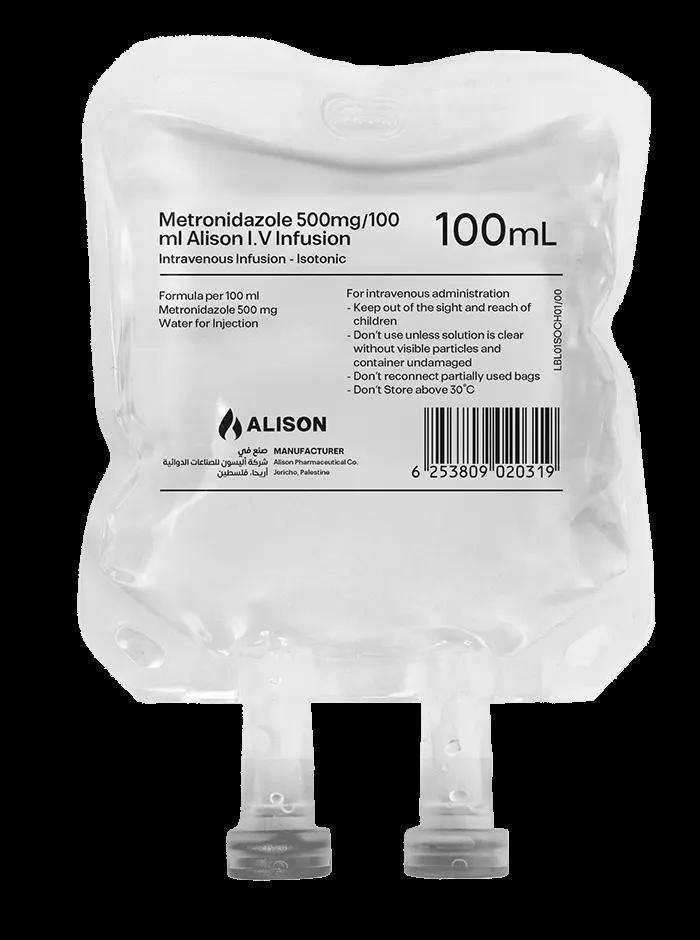



Comprehensive Guide to Metronidazole: Clinical Pharmacology and Therapeutic Applications
Metronidazole is a potent synthetic nitroimidazole antibiotic and antiprotozoal medication that has served as a cornerstone of antimicrobial therapy for over half a century. As an orthopedic specialist, it is vital to understand this drug’s role not only in systemic infections but also in managing complex soft tissue infections and osteomyelitis cases where anaerobic pathogens are implicated.
This guide provides an exhaustive clinical overview of Metronidazole, detailing its pharmacodynamic properties, therapeutic indications, and essential safety protocols for healthcare professionals and patients.
1. Mechanism of Action: How Metronidazole Works
Metronidazole is a prodrug. Its efficacy is uniquely dependent on the metabolic environment of the target organism.
The Reduction Process
Metronidazole enters microbial cells via passive diffusion. Once inside, it is reduced by intracellular transport proteins (specifically ferredoxin and flavodoxin) found only in anaerobic bacteria and protozoa. This reduction creates short-lived, highly reactive nitroso radicals.
Cellular Disruption
These reactive intermediates exert bactericidal and protozoacidal effects through:
* DNA Strand Breakage: The radicals bind to the microbial DNA, causing helical destabilization and strand breakage.
* Inhibition of Nucleic Acid Synthesis: By disrupting the DNA template, the drug effectively halts microbial replication.
* Selective Toxicity: Because human cells lack the low-redox-potential electron transport proteins necessary to reduce metronidazole, the drug remains largely inert within host tissues, explaining its selective action against anaerobes.
2. Pharmacokinetics and Metabolism
Understanding the pharmacokinetic profile is essential for optimizing dosing in clinical practice.
| Parameter | Characteristic |
|---|---|
| Bioavailability | Near 100% (oral administration) |
| Protein Binding | Low (<20%) |
| Distribution | Excellent; reaches therapeutic levels in CSF, bone, and abscesses |
| Metabolism | Hepatic (via oxidation and glucuronidation) |
| Excretion | Primarily renal (60-80%); fecal (6-15%) |
| Half-life | Approximately 8 hours in healthy adults |
3. Clinical Indications and Therapeutic Usage
Metronidazole is primarily indicated for infections caused by obligate anaerobic bacteria and specific protozoal organisms.
Primary Indications
- Anaerobic Bacterial Infections: Including intra-abdominal infections (peritonitis, liver abscess), gynecological infections (endometritis, endomyometritis), and skin/soft tissue infections.
- Protozoal Infections: Trichomoniasis, Amebiasis (intestinal and hepatic), and Giardiasis.
- Clostridioides difficile (C. diff): Historically a first-line treatment for mild cases, though vancomycin or fidaxomicin are now preferred; metronidazole remains an option in specific clinical contexts.
- Orthopedic Context: Often used in combination therapy for deep surgical site infections or osteomyelitis involving mixed aerobic-anaerobic flora.
4. Dosage Guidelines
Dosage must be adjusted based on the severity of the infection, age, and organ function.
Standard Adult Dosing
- Anaerobic Infections: 500 mg orally or intravenously every 8 hours.
- Trichomoniasis: 2 g as a single dose or 500 mg twice daily for 7 days.
- Amebiasis: 500–750 mg three times daily for 5–10 days.
Hepatic Impairment
In patients with severe hepatic disease, the clearance of metronidazole is significantly reduced. Dosage should be decreased by 50% to prevent accumulation and neurotoxicity.
5. Risks, Side Effects, and Contraindications
While generally well-tolerated, Metronidazole carries specific risks that clinicians must monitor.
Common Side Effects
- Gastrointestinal: Nausea, metallic taste, dry mouth, and abdominal cramping.
- Neurological: Headache, dizziness, and in rare cases, peripheral neuropathy or seizures.
- Disulfiram-like Reaction: Consumption of alcohol while on metronidazole causes severe flushing, tachycardia, and vomiting.
Contraindications
- Hypersensitivity: Known allergy to nitroimidazole derivatives.
- First Trimester Pregnancy: Use should be avoided unless absolutely necessary due to potential teratogenic risks in animal models.
- Active Central Nervous System Disorders: Caution is advised in patients with epilepsy or multiple sclerosis.
6. Drug Interactions
Metronidazole is a potent inhibitor of the CYP2C9 enzyme, leading to clinically significant interactions:
- Warfarin: Metronidazole potentiates the anticoagulant effect of warfarin, significantly increasing the International Normalized Ratio (INR) and bleeding risk.
- Alcohol: Strict avoidance is required during and for at least 48 hours after treatment.
- Disulfiram: Concurrent use can lead to acute psychosis or confusional states.
- Lithium: May increase serum lithium levels, leading to potential toxicity.
7. Pregnancy and Lactation Warnings
- Pregnancy: Metronidazole crosses the placenta. While clinical data in humans has not conclusively linked it to congenital malformations, it is generally avoided during the first trimester. Use in the second and third trimesters is permitted if the clinical benefit outweighs the risk.
- Lactation: Metronidazole is excreted in breast milk in concentrations similar to plasma levels. It is recommended that nursing mothers interrupt breastfeeding during treatment and for 12–24 hours after the last dose to minimize infant exposure.
8. Overdose Management
There is no specific antidote for metronidazole. Management is primarily supportive:
1. Gastric Lavage: If ingestion is recent.
2. Symptomatic Care: Monitoring for seizures, neurological deficits, and gastrointestinal distress.
3. Hemodialysis: Metronidazole is effectively removed by hemodialysis; this may be considered in cases of massive overdose or in patients with severe renal failure experiencing toxicity.
9. Frequently Asked Questions (FAQ)
1. Why do I have a metallic taste in my mouth while taking Metronidazole?
The metallic taste is a very common side effect caused by the drug's metabolite, 2-hydroxymetronidazole, which is secreted in saliva. It is harmless and resolves after finishing the course.
2. Can I drink alcohol while taking this medication?
No. Alcohol must be avoided entirely. Combining the two can trigger a "disulfiram-like reaction," resulting in severe nausea, vomiting, rapid heartbeat, and throbbing headaches.
3. How long should I wait to drink alcohol after finishing my treatment?
It is strongly recommended to wait at least 48 to 72 hours after your final dose before consuming any alcohol to ensure the medication has been cleared from your system.
4. What should I do if I miss a dose?
Take the missed dose as soon as you remember. However, if it is almost time for your next dose, skip the missed one. Do not take two doses at once.
5. Does Metronidazole treat all types of infections?
No. It is highly specific to anaerobic bacteria and certain protozoa. It will not treat common colds, the flu, or standard aerobic bacterial infections (like strep throat).
6. Is it safe to take Metronidazole during pregnancy?
It should be avoided in the first trimester. If you are pregnant or planning to become pregnant, consult your obstetrician to evaluate the necessity of the treatment.
7. Can Metronidazole cause nerve damage?
Long-term or high-dose therapy has been associated with peripheral neuropathy (numbness or tingling in the hands and feet). If you experience these symptoms, contact your doctor immediately.
8. Will this medication affect my birth control?
There is no evidence that Metronidazole directly interferes with hormonal contraceptives, but you should always consult your pharmacist regarding potential interactions with your specific birth control method.
9. Why is it used for bone infections (Osteomyelitis)?
In orthopedic surgery, bone infections are often polymicrobial. Metronidazole is used to target the anaerobic component of these complex infections, which are otherwise resistant to standard antibiotics.
10. How should I store the medication?
Store at room temperature away from light and moisture. Keep all medications out of reach of children.
Conclusion
Metronidazole remains an indispensable tool in the antimicrobial armamentarium. By adhering to strict dosage guidelines, monitoring for drug interactions—particularly with anticoagulants—and educating patients on the necessity of avoiding alcohol, healthcare providers can safely utilize this medication to achieve optimal therapeutic outcomes in both general and orthopedic clinical settings. Always consult your primary care provider or a clinical pharmacist before initiating or modifying a course of antibiotics.