
Comprehensive Overview of Morphine Sulfate
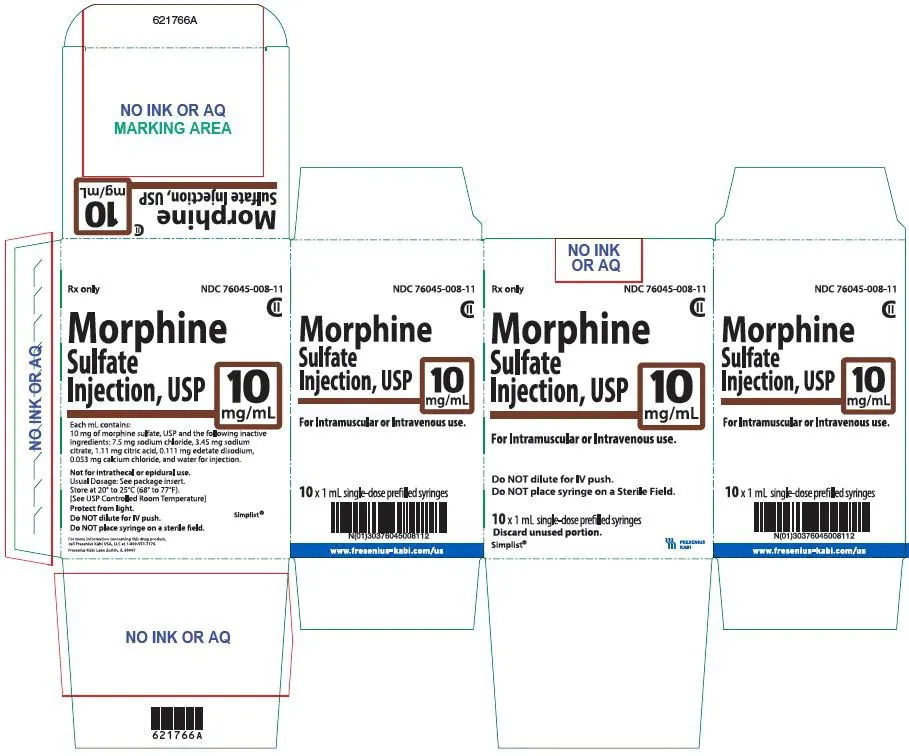
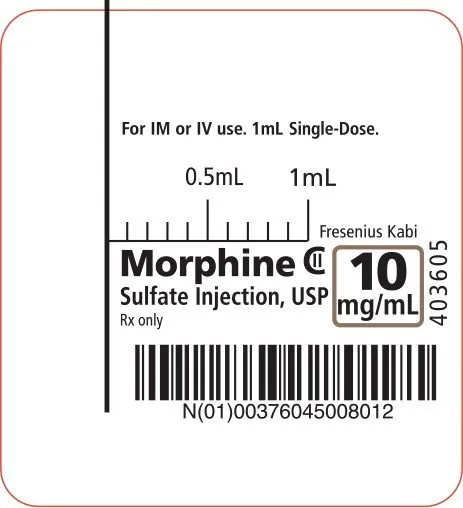
Morphine Sulfate is a potent opioid analgesic, functioning as the gold standard against which other opioids are measured. Derived from the Papaver somniferum (opium poppy), it remains a cornerstone in the management of severe acute and chronic pain in orthopedic, oncologic, and palliative care settings. As an expert in orthopedic medicine, I emphasize that while Morphine is highly effective for pain management, its therapeutic index requires rigorous clinical oversight, precise dosing, and an understanding of its complex physiological impact.
This guide serves as a technical resource for healthcare professionals regarding the pharmacology, clinical application, and safety parameters of Morphine Sulfate.
Mechanism of Action and Pharmacokinetics
Mechanism of Action
Morphine Sulfate exerts its primary therapeutic effect through the activation of mu-opioid receptors (MOR) located within the central nervous system (CNS) and the gastrointestinal tract.
- Receptor Binding: Morphine acts as a pure agonist at the mu-opioid receptor, which is a G-protein-coupled receptor.
- Signal Transduction: Activation leads to the inhibition of adenylate cyclase, resulting in decreased intracellular cyclic AMP (cAMP) levels.
- Neurological Impact: This process inhibits the release of neurotransmitters involved in pain transmission, including substance P and glutamate. Furthermore, it modulates the perception of pain by hyperpolarizing neurons, effectively raising the pain threshold and altering the emotional response to painful stimuli.
Pharmacokinetics
The pharmacokinetic profile of Morphine varies significantly based on the route of administration:
| Feature | Description |
|---|---|
| Onset of Action | 5–10 mins (IV); 30–60 mins (Oral) |
| Peak Effect | 20 mins (IV); 60–90 mins (Oral) |
| Metabolism | Hepatic (Glucuronidation) |
| Half-Life | 2–4 hours |
| Excretion | Renal (as Morphine-3-glucuronide and Morphine-6-glucuronide) |
Note: Morphine-6-glucuronide is a potent analgesic metabolite, while Morphine-3-glucuronide may contribute to neurotoxicity in patients with renal impairment.
Clinical Indications and Dosage Guidelines
Morphine Sulfate is indicated for the management of pain severe enough to require an opioid analgesic and for which alternative treatments are inadequate.
Indications
- Acute Post-Operative Pain: Frequently utilized in orthopedic surgery recovery.
- Chronic Pain: Used for severe, refractory pain, often in cancer patients.
- Myocardial Infarction: Historically used to reduce preload and anxiety.
- Dyspnea: Used in palliative care to manage air hunger in end-stage disease.
Dosage Guidelines
Dosing must be individualized based on the patient’s pain severity, age, co-morbidities, and previous opioid exposure.
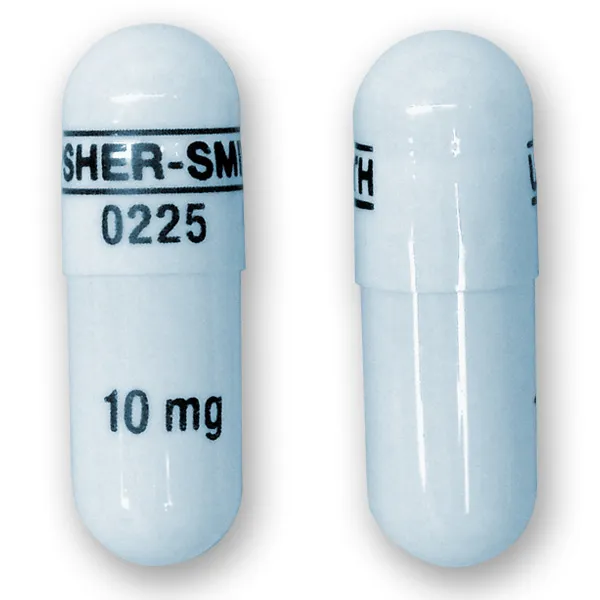
- Oral (Immediate Release): 10–30 mg every 4 hours as needed.
- Oral (Extended Release): 15–30 mg every 12–24 hours (strictly for opioid-tolerant patients).
- Intravenous (IV): 2–10 mg every 2–4 hours, titrated to effect.
- Epidural/Intrathecal: Requires specialized dosing protocols due to high potency.
Warning: Always start with the lowest effective dose to prevent respiratory depression.
Contraindications and Drug Interactions
Absolute Contraindications
- Hypersensitivity: Known allergic reaction to morphine.
- Respiratory Depression: Acute or severe bronchial asthma or hypercapnia in unmonitored settings.
- GI Obstruction: Known or suspected paralytic ileus.
Significant Drug Interactions
Morphine is subject to profound interactions that can increase toxicity:
- CNS Depressants: Concurrent use with benzodiazepines, alcohol, or other sedatives creates a high risk for profound sedation, respiratory depression, and death.
- MAO Inhibitors: Risk of serotonin syndrome and severe hypertensive crises.
- Mixed Agonist/Antagonists: Drugs like buprenorphine or pentazocine can precipitate acute withdrawal symptoms in opioid-dependent patients.
- Anticholinergics: Increased risk of urinary retention and severe constipation.
Pregnancy, Lactation, and Special Populations
Pregnancy
Morphine is classified as a Category C drug. Prolonged use during pregnancy can result in neonatal opioid withdrawal syndrome (NOWS). It should only be used if the potential benefit justifies the potential risk to the fetus.
Lactation
Morphine is excreted in human milk. While small amounts are usually considered safe, clinicians must monitor the nursing infant for signs of sedation or respiratory depression.
Renal and Hepatic Impairment
Because Morphine is metabolized by the liver and excreted by the kidneys, patients with hepatic or renal insufficiency require dose reductions and extended dosing intervals to prevent the accumulation of neurotoxic metabolites.
Overdose Management
Morphine overdose is a medical emergency characterized by the "Opioid Triad": Pinpoint pupils, respiratory depression, and unconsciousness.
Emergency Protocol
- Airway Management: Secure the airway and provide supplemental oxygen.
- Pharmacologic Reversal: Administer Naloxone (opioid antagonist).
- Dosage: 0.4 mg IV/IM, titrated upward.
- Caution: Naloxone has a shorter half-life than Morphine; patients may re-sedate and require continuous monitoring or a drip.
- Supportive Care: Monitor vital signs, particularly pulse oximetry and capnography, until the patient is fully alert.
Frequently Asked Questions (FAQ)
1. Is Morphine Sulfate the same as Opium?
No. Morphine is a refined alkaloid extracted from the opium poppy, whereas opium is the raw, dried latex. Morphine is a concentrated, pharmaceutical-grade medication.
2. Can I consume alcohol while taking Morphine?
Absolutely not. Combining Morphine with alcohol significantly increases the risk of fatal respiratory depression and severe sedation.
3. How do I manage Morphine-induced constipation?
Constipation is a common side effect. Patients should be started on a bowel regimen (e.g., senna or polyethylene glycol) concurrently with the initiation of Morphine.
4. What is the difference between Immediate-Release and Extended-Release?
Immediate-Release (IR) is designed for acute, breakthrough pain. Extended-Release (ER) formulations are designed for steady-state pain management and must never be crushed or chewed, as this leads to a dangerous "dose dump."
5. Does Morphine cause physical dependence?
Yes. Physical dependence is an expected physiological adaptation to long-term opioid therapy. It is different from addiction (a behavioral disorder). Patients should not stop Morphine abruptly; they must taper under medical supervision to avoid withdrawal.
6. What are the signs of Morphine withdrawal?
Symptoms include anxiety, insomnia, diaphoresis, rhinorrhea, lacrimation, muscle aches, nausea, vomiting, and diarrhea.
7. Can Morphine interact with herbal supplements?
Yes. Supplements like St. John’s Wort or Valerian root can potentiate the sedative effects of Morphine and should be avoided.
8. Why is Morphine used in orthopedic surgery?
It is highly effective for managing the intense somatic pain associated with bone fractures and major joint reconstructions, providing better analgesia than NSAIDs alone in the immediate post-operative phase.
9. What should I do if I miss a dose?
If you miss a dose of IR Morphine, take it when you remember. If it is near the time for your next dose, skip the missed dose. Do not double up on doses.
10. How should Morphine be stored?
Morphine must be kept in a secure, locked location, away from children and pets, to prevent accidental ingestion or diversion. Unused medication should be returned to a pharmacy take-back program.
Clinical Safety Summary
Morphine Sulfate remains an indispensable tool for pain management, but its use demands a "start low, go slow" approach. Clinicians must prioritize patient education regarding the risks of respiratory depression, the necessity of bowel regimens, and the critical importance of avoiding concurrent CNS depressants. In the orthopedic context, transitioning patients from IV to oral analgesia as soon as clinically appropriate remains the standard of care to facilitate early mobilization and minimize opioid-related complications.
Disclaimer: This content is for educational purposes only and does not constitute medical advice. Always consult with a licensed physician or healthcare provider regarding medication management.