
Understanding Movalis: A Clinical Overview
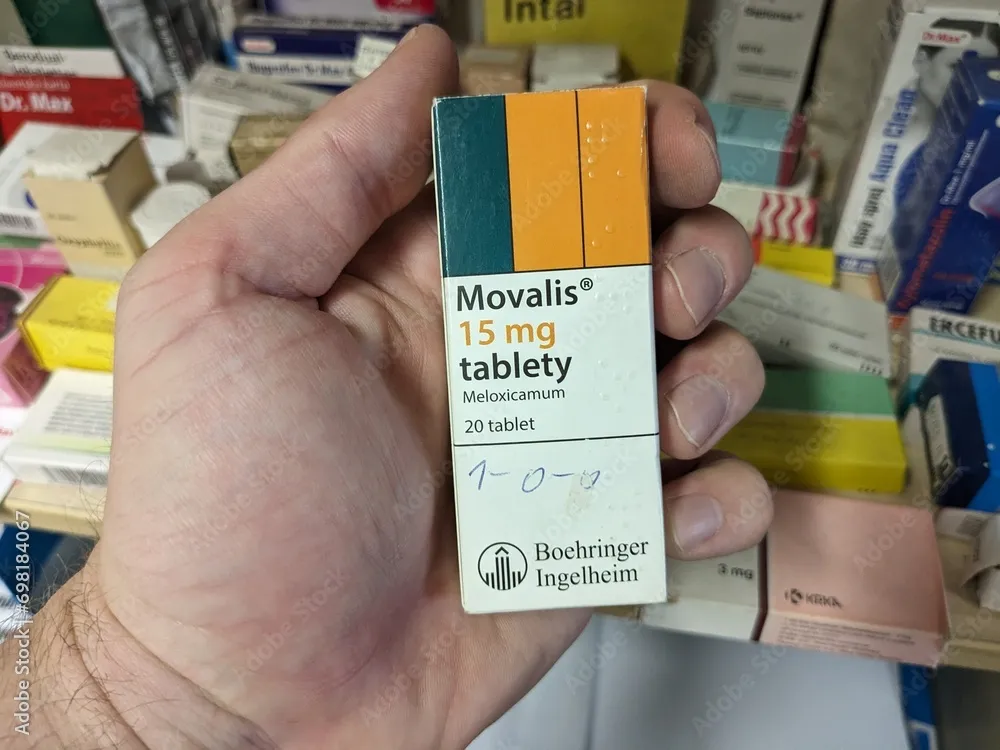
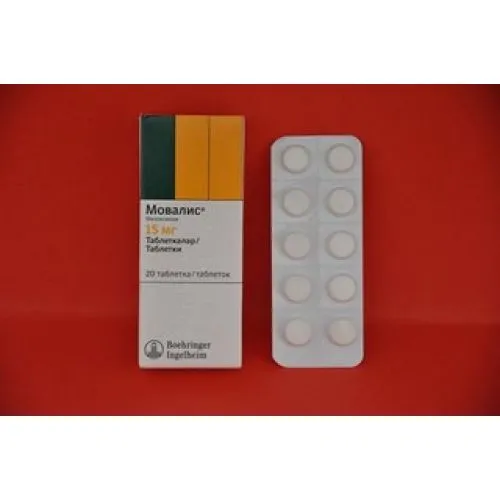
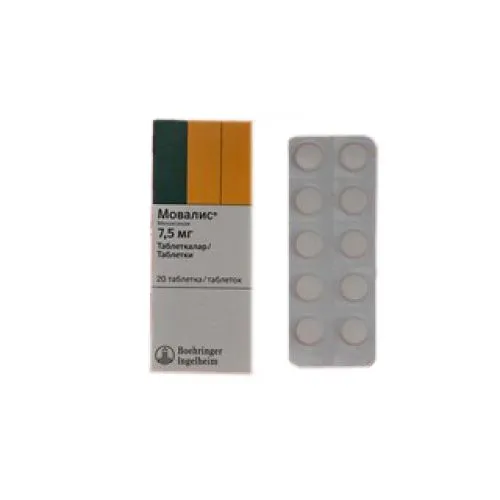
Movalis, known generically as meloxicam, is a potent nonsteroidal anti-inflammatory drug (NSAID) widely utilized in orthopedic and rheumatological practice. It is classified as an oxicam derivative, specifically engineered to provide targeted relief from pain and inflammation associated with various musculoskeletal conditions. Unlike older, non-selective NSAIDs, Movalis is recognized for its preferential inhibition of cyclooxygenase-2 (COX-2) enzymes, which theoretically offers a more favorable gastrointestinal safety profile.
This guide serves as a comprehensive resource for healthcare professionals and patients seeking detailed information regarding the pharmacological properties, therapeutic applications, and safety protocols surrounding the administration of Movalis.
Mechanism of Action: The Pharmacological Basis
The therapeutic efficacy of Movalis is rooted in its ability to inhibit the synthesis of prostaglandins, which are the primary mediators of pain, inflammation, and fever.
The COX-1 vs. COX-2 Distinction
Prostaglandins are synthesized from arachidonic acid through the catalytic action of cyclooxygenase (COX) enzymes. There are two primary isoforms:
* COX-1: Constitutively expressed in most tissues, responsible for maintaining gastric mucosal integrity and platelet function.
* COX-2: Induced primarily at sites of inflammation by cytokines and other inflammatory stimuli.
Movalis acts as a preferential COX-2 inhibitor. By blocking the COX-2 pathway, it reduces the production of inflammatory prostaglandins while sparing, to a greater extent than non-selective NSAIDs, the COX-1 pathway that protects the stomach lining.
Pharmacokinetics
Understanding how the body processes Movalis is essential for optimizing therapeutic outcomes.
| Parameter | Clinical Characteristic |
|---|---|
| Bioavailability | High (approx. 89% after oral administration) |
| Peak Plasma Time | 4 to 5 hours |
| Protein Binding | Highly bound to albumin (>99%) |
| Metabolism | Hepatic (predominantly via CYP2C9 and CYP3A4) |
| Elimination Half-life | 15 to 20 hours |
The long half-life of Movalis allows for once-daily dosing, which significantly improves patient compliance in chronic pain management.
Extensive Clinical Indications
Movalis is indicated for the management of signs and symptoms of acute and chronic inflammatory conditions. Its primary applications include:
- Osteoarthritis (OA): Relief of pain and improvement of mobility in patients with degenerative joint disease.
- Rheumatoid Arthritis (RA): Reduction of joint swelling, morning stiffness, and tenderness in chronic inflammatory arthritis.
- Ankylosing Spondylitis: Management of inflammation in the spinal joints.
- Juvenile Rheumatoid Arthritis (JRA): Used in pediatric patients (typically 2 years and older) under strict rheumatological supervision.
Dosage Guidelines
Dosage must be individualized based on the severity of the condition and the patient's renal/hepatic status.
- Standard Adult Dosage: 7.5 mg to 15 mg once daily.
- Maximum Daily Dose: 15 mg. Exceeding this limit increases the risk of cardiovascular and gastrointestinal adverse events without providing significant additional analgesic benefit.
- Renal Impairment: Caution is advised. In patients with severe renal failure on hemodialysis, the dose should not exceed 7.5 mg.
Contraindications and Safety Warnings
Despite its benefits, Movalis is associated with significant clinical risks that require careful patient screening.
Absolute Contraindications
- Known hypersensitivity to meloxicam or any excipients.
- History of asthma, urticaria, or allergic-type reactions after taking aspirin or other NSAIDs.
- Perioperative pain management in the setting of coronary artery bypass graft (CABG) surgery.
- Severe hepatic or renal impairment.
Black Box Warnings
- Cardiovascular Risk: NSAIDs increase the risk of serious cardiovascular thrombotic events, including myocardial infarction and stroke, which can be fatal.
- Gastrointestinal Risk: NSAIDs increase the risk of serious gastrointestinal adverse events, including bleeding, ulceration, and perforation of the stomach or intestines.
Drug Interactions
Movalis can interact with several common medications, altering their efficacy or increasing toxicity:
- Anticoagulants (e.g., Warfarin): Increased risk of bleeding due to potential antiplatelet effects and gastric irritation.
- ACE Inhibitors/Diuretics: Reduced antihypertensive effect; potential for acute renal failure in susceptible patients.
- Methotrexate: Increased risk of methotrexate toxicity due to decreased renal clearance.
- Lithium: Increased plasma concentrations of lithium, potentially leading to toxicity.
- Aspirin: Concomitant use is generally discouraged due to increased risk of GI ulceration and lack of added therapeutic benefit.
Pregnancy and Lactation
- Pregnancy: Use of NSAIDs at 20 weeks or later in pregnancy may cause fetal renal dysfunction leading to oligohydramnios and, in some cases, neonatal renal impairment. Avoid Movalis during the third trimester, as it may also cause premature closure of the ductus arteriosus.
- Lactation: It is unknown if meloxicam is excreted in human milk. However, due to potential adverse effects in the nursing infant, a decision must be made to either discontinue breastfeeding or discontinue the drug.
Overdose Management
Acute overdose of NSAIDs is generally followed by symptoms of lethargy, drowsiness, nausea, vomiting, and epigastric pain.
* Treatment: Management is symptomatic and supportive. There is no specific antidote.
* Intervention: Gastric lavage or activated charcoal may be considered if the patient presents within a short time of ingestion. Maintain airway and monitor renal/hepatic function.
Frequently Asked Questions (FAQ)
1. Is Movalis the same as Ibuprofen?
No. While both are NSAIDs, Movalis is a preferential COX-2 inhibitor and has a much longer half-life, allowing for once-daily dosing, whereas ibuprofen is a non-selective NSAID requiring multiple doses throughout the day.
2. How long does it take for Movalis to start working?
Most patients report initial relief within 1 to 2 hours of ingestion, but maximal anti-inflammatory effects may take several days of consistent use to achieve.
3. Can I take Movalis on an empty stomach?
It is generally recommended to take Movalis with food or milk to minimize the potential for gastric upset, although it can be taken with or without food.
4. Is Movalis safe for long-term use?
Long-term use is common in chronic conditions like RA or OA, but it requires regular monitoring of kidney function, liver enzymes, and blood pressure by a physician.
5. Does Movalis affect blood pressure?
Yes, NSAIDs can cause fluid retention and may elevate blood pressure, potentially interfering with the efficacy of antihypertensive medications.
6. Can children take Movalis?
Movalis is approved for use in children aged 2 years and older for juvenile rheumatoid arthritis, but the dosage must be strictly calculated by a pediatrician based on body weight.
7. What should I do if I miss a dose?
Take the missed dose as soon as you remember. If it is nearly time for your next dose, skip the missed dose. Do not take two doses at once.
8. Is Movalis a narcotic or addictive?
No, Movalis is a non-narcotic, non-addictive anti-inflammatory medication. It does not produce the euphoric effects associated with opioids.
9. Can I drink alcohol while taking Movalis?
It is advised to limit or avoid alcohol, as it can increase the risk of stomach irritation and gastrointestinal bleeding when combined with NSAIDs.
10. Does Movalis cause weight gain?
Some patients may experience fluid retention, which can manifest as mild weight gain or swelling (edema). Report any significant or sudden swelling to your doctor.
Conclusion
Movalis (meloxicam) remains a cornerstone in the pharmacological management of chronic inflammatory joint conditions. Its favorable pharmacokinetic profile and once-daily dosing regimen offer significant advantages for patient compliance. However, its use must be balanced against the inherent risks associated with all NSAIDs, particularly concerning cardiovascular and gastrointestinal safety. Patients are strongly advised to consult with their orthopedic specialist or rheumatologist to ensure that Movalis is the most appropriate and safe choice for their specific medical history.