
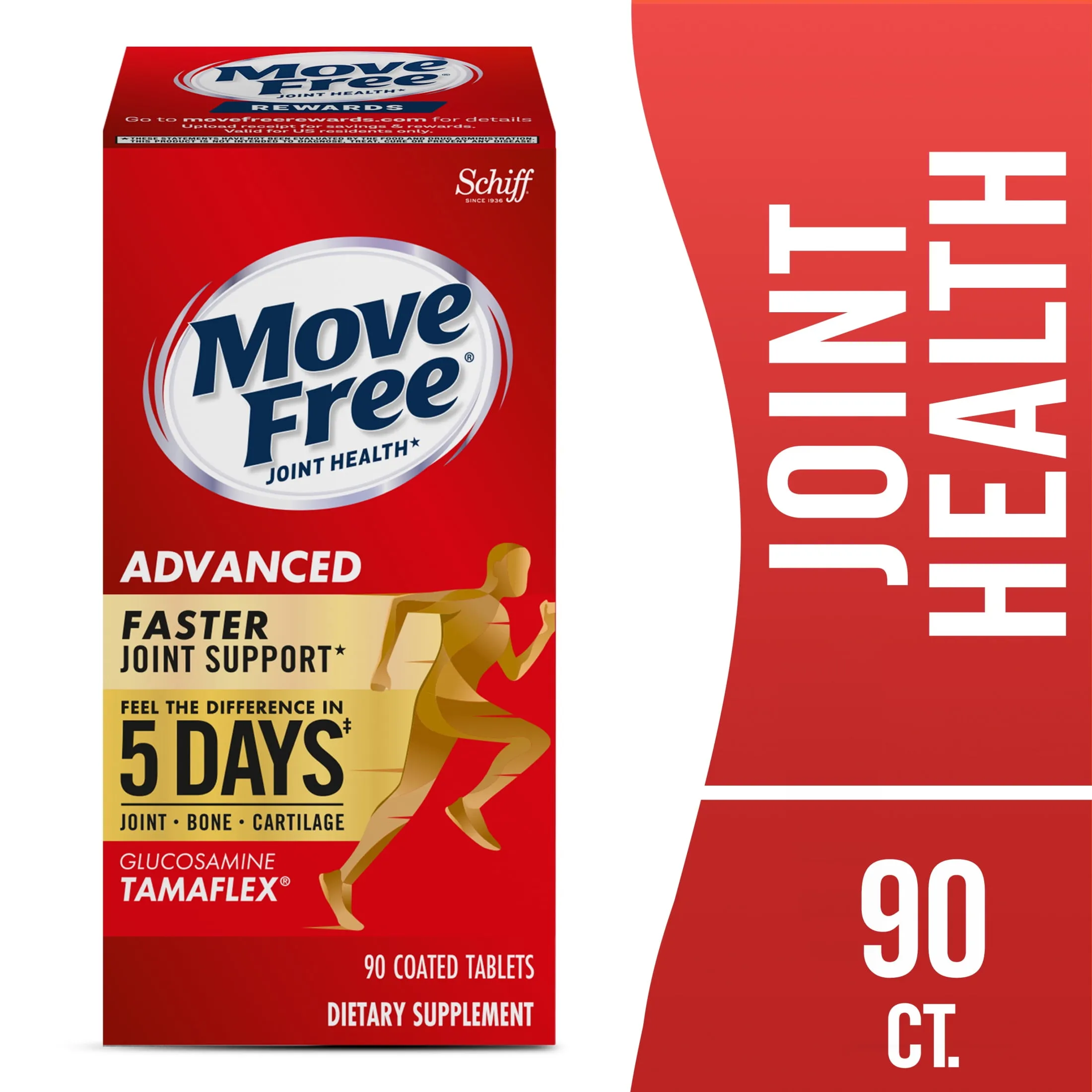

Comprehensive Guide to Move Free: Optimizing Joint Health and Mobility
Joint health is a cornerstone of physical longevity and quality of life. As we age, the structural integrity of articular cartilage—the smooth tissue covering the ends of bones—naturally begins to degrade. Move Free is a widely recognized brand of dietary supplements formulated to support joint comfort, flexibility, and lubrication. This guide provides an in-depth clinical analysis of the components typically found in Move Free formulations, their pharmacological mechanisms, and the evidence-based approach to their use.
Understanding the Scientific Mechanism of Action
Move Free products generally utilize a synergistic blend of compounds designed to address joint health from multiple physiological angles. While formulations vary, the core ingredients often include Glucosamine, Chondroitin, Hyaluronic Acid, and sometimes Uniflex (a proprietary antioxidant blend).
Glucosamine Hydrochloride
Glucosamine is an amino sugar that serves as a fundamental building block for glycosaminoglycans (GAGs) and proteoglycans. These molecules are essential for the maintenance and repair of articular cartilage. By providing the necessary raw materials, glucosamine helps stimulate the chondrocytes (cartilage cells) to produce more structural matrix.
Chondroitin Sulfate
Chondroitin is a complex carbohydrate that helps cartilage retain water. This hydration is critical for the shock-absorbing properties of the joint. It also serves an anti-catabolic function by inhibiting enzymes that break down cartilage, effectively slowing the degradation process.
Hyaluronic Acid (HA)
HA is a major component of synovial fluid, the viscous substance that lubricates joints. By supplementing HA, Move Free aims to improve the viscosity of the synovial fluid, reducing friction between articular surfaces and facilitating smoother range-of-motion.
The Role of Proprietary Antioxidants
Many Move Free formulations include proprietary blends (such as calcium fructoborate) that act as antioxidants. These compounds help neutralize free radicals that cause oxidative stress in the joint space, which is a known contributor to chronic inflammation and tissue breakdown.
Clinical Indications and Therapeutic Usage
Move Free is primarily indicated for individuals experiencing symptoms associated with joint wear and tear, including:
- Osteoarthritis (OA): Providing symptomatic relief for mild to moderate knee or hip OA.
- Joint Stiffness: Reducing morning stiffness or stiffness following periods of inactivity.
- Athletic Recovery: Supporting joint health in high-impact athletes (runners, weightlifters) who place significant mechanical stress on their joints.
- Age-Related Decline: Proactive support for individuals over the age of 45 looking to maintain joint mobility.
| Indication | Expected Benefit |
|---|---|
| Cartilage Support | Stimulates proteoglycan synthesis |
| Synovial Lubrication | Increases joint fluid viscosity |
| Inflammatory Response | Reduces oxidative stress markers |
| Mobility Enhancement | Improves range of motion (ROM) |
Dosage Guidelines and Administration
While Move Free is an over-the-counter supplement, adherence to dosage guidelines is essential for efficacy and safety.
- Standard Maintenance: Most formulations recommend 2 tablets daily, preferably taken with a meal to enhance absorption and minimize potential gastrointestinal discomfort.
- Loading Phase: Some clinical protocols suggest a higher initial dose for the first 2–4 weeks to saturate the joint tissues; however, users should follow the specific label instructions provided on their chosen variant.
- Consistency: The physiological effects of these compounds are cumulative. Users should expect a "lag phase" of 4 to 8 weeks before experiencing significant subjective improvements in joint comfort.
Risks, Contraindications, and Safety Profiles
Despite being generally well-tolerated, Move Free is not devoid of potential risks.
Potential Side Effects
- Gastrointestinal Distress: Nausea, abdominal bloating, or diarrhea are the most frequently reported side effects.
- Allergic Reactions: Because many glucosamine sources are derived from shellfish (crabs, shrimp), individuals with shellfish allergies must exercise extreme caution or choose a vegan-sourced alternative.
- Blood Sugar Fluctuations: While evidence is mixed, some studies suggest that high-dose glucosamine may affect glucose metabolism in diabetic patients.
Contraindications
- Shellfish Allergy: Absolute contraindication for shellfish-derived products.
- Anticoagulant Therapy: Individuals on blood thinners (e.g., Warfarin) should consult their physician, as there is theoretical concern regarding interactions that may increase bleeding risk.
- Pre-Surgery: Discontinue use at least two weeks before elective surgery to avoid potential interference with clotting factors.
Pregnancy and Lactation
Data regarding the safety of high-dose joint supplements during pregnancy and lactation is limited. Therefore, it is generally recommended that pregnant or breastfeeding women avoid these supplements unless explicitly cleared by their obstetrician.
Overdose Management
In the event of accidental ingestion of a significant quantity of tablets, the primary concerns are gastrointestinal irritation and potential electrolyte imbalance. There is no specific antidote for Move Free components. Management is symptomatic:
* Monitor hydration status.
* If persistent vomiting or severe abdominal pain occurs, seek medical evaluation.
* Contact a local Poison Control Center for guidance based on the specific formulation ingested.
Frequently Asked Questions (FAQ)
1. How long does it take for Move Free to start working?
Most users report feeling a noticeable difference in joint comfort after 4 to 8 weeks of consistent daily usage.
2. Can I take Move Free with other medications?
While generally safe, you should always consult your physician if you are taking blood thinners, insulin, or immunosuppressants.
3. Is Move Free a cure for arthritis?
No. Move Free is a dietary supplement designed to support joint health and manage symptoms. It cannot reverse advanced joint destruction.
4. What is the difference between Glucosamine HCl and Sulfate?
Glucosamine HCl is more concentrated and often considered more stable, while Glucosamine Sulfate is the form most commonly used in clinical studies.
5. Are there side effects if I stop taking it?
There are no withdrawal symptoms associated with stopping Move Free. However, the joint support benefits will likely fade over several weeks.
6. Can I take this if I have a shellfish allergy?
Only if the product specifically states it is "shellfish-free" or uses plant-based glucosamine. Always check the label for allergen warnings.
7. Does Move Free help with back pain?
Move Free is primarily formulated for synovial joints (knees, hips, shoulders). Its efficacy for spinal or disc-related pain is not well-supported by clinical evidence.
8. Should I take it with food?
Yes, taking the tablets with a meal is highly recommended to improve gastrointestinal tolerance.
9. Can children use Move Free?
Move Free is intended for adult use. Pediatric joint pain should always be evaluated by a pediatrician, as the etiology differs significantly from adult OA.
10. Does it contain anti-inflammatory drugs like Ibuprofen?
No. Move Free supplements do not contain NSAIDs or pharmaceutical analgesics. They work via nutritional support rather than pharmacologic pain suppression.
Pharmacokinetics and Bioavailability
The absorption of glucosamine and chondroitin is relatively efficient, though bioavailability can vary based on individual metabolism. Glucosamine is absorbed in the small intestine and distributed to the connective tissues, where it is utilized for proteoglycan synthesis. Chondroitin is absorbed in a partially depolymerized state and then reassembled or utilized as signaling molecules. The inclusion of ingredients like Hyaluronic Acid in Move Free is specifically engineered to improve the lubrication pathway, which is often compromised in aging joints.
Conclusion: A Strategic Approach to Joint Care
Move Free offers a comprehensive, scientifically-backed approach to supporting joint integrity. By combining structural building blocks with antioxidant support, these supplements address the multifaceted nature of cartilage degradation. As an orthopedic adjunct, it serves as a valuable tool for those seeking to maintain activity levels and mitigate the symptoms of joint wear. Always remember that supplements work best when paired with low-impact exercise, weight management, and a nutrient-dense diet. Consult with your healthcare provider before beginning any new supplement regimen to ensure it aligns with your specific clinical profile.