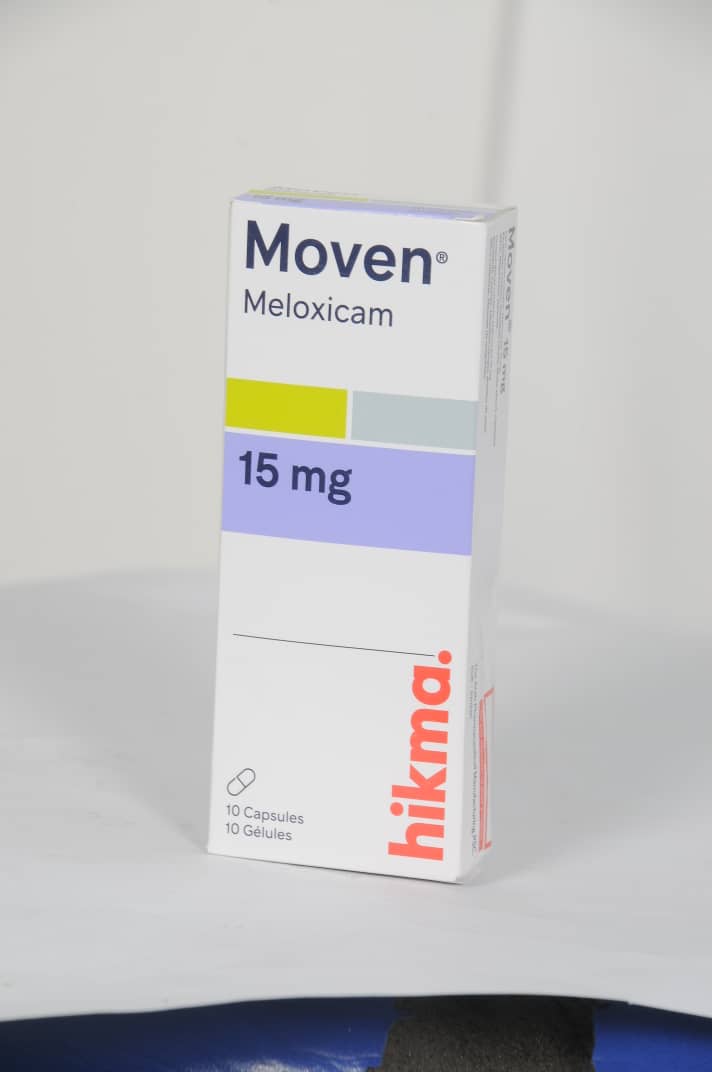

Comprehensive Clinical Guide: Moven 15mg (Meloxicam)
1. Comprehensive Introduction and Overview
Moven 15mg (containing the active ingredient Meloxicam) is a potent Non-Steroidal Anti-Inflammatory Drug (NSAID) primarily utilized in the management of chronic inflammatory joint conditions. As an enolic acid derivative, Moven is engineered to provide sustained relief from pain and stiffness associated with orthopedic pathologies.
In a clinical setting, Moven 15mg is categorized as a preferential COX-2 inhibitor. By modulating the inflammatory cascade at the enzymatic level, it offers a distinct profile compared to traditional non-selective NSAIDs. The 30-capsule presentation is typically prescribed for patients requiring a consistent, daily anti-inflammatory regimen to maintain mobility and reduce the systemic impact of inflammatory arthropathies.
This guide serves as a technical resource for healthcare providers and informed patients, detailing the pharmacodynamics, pharmacokinetics, and safety protocols essential for the responsible administration of Moven 15mg.
2. Technical Specifications and Mechanism of Action
The Biochemical Pathway
The therapeutic efficacy of Moven 15mg is rooted in its ability to inhibit the synthesis of prostaglandins. Prostaglandins are lipid compounds that act as mediators in the inflammatory response, pain signaling, and fever regulation.
- Enzymatic Inhibition: Moven targets the Cyclooxygenase (COX) enzymes. Unlike non-selective NSAIDs that inhibit both COX-1 and COX-2 equally, Meloxicam exhibits a higher affinity for the COX-2 isoenzyme.
- COX-1 vs. COX-2:
- COX-1: Constitutively expressed; responsible for gastric mucosal protection and platelet aggregation.
- COX-2: Induced during inflammation; responsible for the production of prostaglandins that cause pain and swelling.
- Clinical Advantage: By preferentially inhibiting COX-2, Moven 15mg reduces inflammation while theoretically sparing the gastric mucosa from the more severe erosive effects commonly associated with non-selective inhibition.
Pharmacokinetics Profile
Understanding how the body processes Moven is vital for optimizing dosage schedules.
| Parameter | Clinical Data |
|---|---|
| Absorption | Highly bioavailable (~89%) after oral administration. |
| Peak Plasma Time (Tmax) | 4 to 5 hours post-ingestion. |
| Protein Binding | Highly bound to albumin (>99%). |
| Metabolism | Primarily hepatic via cytochrome P450 (CYP2C9 and CYP3A4). |
| Half-life (t½) | Approximately 15–20 hours, allowing for once-daily dosing. |
| Excretion | Metabolites excreted equally in urine and feces. |
3. Extensive Clinical Indications and Usage
Moven 15mg is indicated for the symptomatic treatment of conditions characterized by chronic inflammation. Its long half-life makes it an ideal candidate for "around-the-clock" symptom management.
Primary Indications
- Osteoarthritis (OA): Management of signs and symptoms associated with the degradation of articular cartilage.
- Rheumatoid Arthritis (RA): Managing the systemic inflammatory response in the synovial lining of the joints.
- Ankylosing Spondylitis: Reducing inflammation in the spinal vertebrae to prevent stiffness and fusion.
Dosage Guidelines
Dosage must be individualized based on the patient's renal function, cardiovascular risk profile, and therapeutic response.
- Standard Adult Dosage: 7.5mg to 15mg once daily.
- Maximum Daily Dose: 15mg. Exceeding this limit significantly increases the risk of gastrointestinal (GI) and cardiovascular (CV) adverse events.
- Administration: Capsules should be swallowed whole with a full glass of water, preferably with food to minimize gastric irritation.
4. Risks, Side Effects, and Contraindications
While Moven 15mg is highly effective, it carries the inherent risks associated with the NSAID drug class.
Serious Warnings (Black Box)
- Cardiovascular Risk: NSAIDs may increase the risk of serious thrombotic events, myocardial infarction, and stroke, which can be fatal. This risk may increase with duration of use.
- Gastrointestinal Risk: NSAIDs cause an increased risk of serious GI adverse events including bleeding, ulceration, and perforation of the stomach or intestines.
Contraindications
- Known hypersensitivity to Meloxicam or any excipients.
- History of asthma, urticaria, or allergic-type reactions after taking aspirin or other NSAIDs.
- Perioperative pain in the setting of coronary artery bypass graft (CABG) surgery.
- Severe hepatic impairment.
- Severe renal impairment (Creatinine clearance < 30 mL/min).
Common Side Effects
- Gastrointestinal: Dyspepsia, nausea, abdominal pain, flatulence, diarrhea.
- Neurological: Headache, dizziness, drowsiness.
- Dermatological: Rash, pruritus.
- Respiratory: Upper respiratory tract infections.
5. Drug Interactions and Special Populations
Significant Drug Interactions
- Anticoagulants (e.g., Warfarin): Increased risk of bleeding due to effects on platelet function.
- ACE Inhibitors/Diuretics: Moven may diminish the antihypertensive effect and increase the risk of acute renal failure.
- Lithium: Meloxicam can increase plasma lithium concentrations, leading to toxicity.
- Methotrexate: Increased risk of hematologic toxicity.
Pregnancy and Lactation
- Pregnancy: Use should be avoided, especially in the third trimester, as it may cause premature closure of the ductus arteriosus and fetal renal dysfunction.
- Lactation: It is not recommended for nursing mothers as Meloxicam is excreted in breast milk.
Overdose Management
In the event of an overdose, symptomatic and supportive treatment is required.
1. Immediate Action: Gastric lavage and administration of activated charcoal to limit absorption.
2. Monitoring: Monitor renal and hepatic function closely.
3. Supportive Care: There is no specific antidote for Meloxicam. Hemodialysis is generally ineffective due to high protein binding.
6. Massive FAQ Section
1. Is Moven 15mg the same as Aspirin?
No. While both are NSAIDs, Moven is a preferential COX-2 inhibitor and is significantly more potent with a longer duration of action, allowing for once-daily dosing.
2. Can I take Moven on an empty stomach?
While you can, it is highly recommended to take it with food or milk to reduce the risk of gastric irritation or mucosal ulceration.
3. How long does it take for Moven to start working?
While some patients report relief within a few hours, it may take 1 to 2 weeks of consistent daily usage to achieve the full anti-inflammatory effect.
4. Can I combine Moven with Paracetamol?
Yes, generally. Paracetamol (Acetaminophen) acts via a different pathway (central analgesic) and is often combined with NSAIDs for synergistic pain relief. Consult your doctor first.
5. Does Moven 15mg cause weight gain?
Moven may cause fluid retention (edema) in some patients, which can manifest as a slight increase in weight. If you notice significant swelling in your ankles or feet, contact your physician.
6. Is Moven addictive?
No. Meloxicam is not a narcotic or an opioid; it does not have potential for abuse or psychological dependence.
7. Can I drink alcohol while taking Moven?
Alcohol consumption increases the risk of stomach irritation and gastrointestinal bleeding. It is advised to avoid or limit alcohol intake while on this medication.
8. What should I do if I miss a dose?
Take the missed dose as soon as you remember. If it is almost time for your next dose, skip the missed one. Do not take a double dose to make up for a forgotten one.
9. Can elderly patients take Moven 15mg?
The elderly are at higher risk for serious GI and cardiovascular events. Physicians usually start at the lowest effective dose (7.5mg) and monitor renal function closely.
10. Is Moven 15mg safe for long-term use?
It is often prescribed for chronic conditions, but long-term use requires periodic monitoring of blood pressure, kidney function (creatinine levels), and liver enzymes.
7. Clinical Summary and Conclusion
Moven 15mg represents a cornerstone in the pharmacological management of chronic inflammatory orthopedic conditions. By balancing potent COX-2 inhibition with a convenient once-daily dosage schedule, it provides patients with significant improvements in mobility and quality of life.
However, the efficacy of Moven must be weighed against its safety profile. Healthcare providers must remain vigilant regarding cardiovascular and gastrointestinal risks, particularly in patients with pre-existing comorbidities. Through careful patient selection, adherence to dose limits, and regular clinical monitoring, Moven 15mg remains a highly effective therapeutic tool in the modern orthopedic arsenal.
Disclaimer: This document is for informational purposes only and does not constitute professional medical advice, diagnosis, or treatment. Always seek the advice of your physician or other qualified health provider with any questions you may have regarding a medical condition or medication.