
Comprehensive Guide to Thiocolchicoside Cream: Orthopedic Management
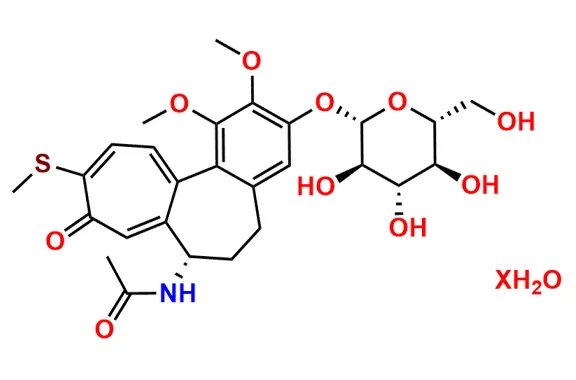
Thiocolchicoside is a potent semi-synthetic sulfur derivative of the natural glycoside colchicoside, widely utilized in orthopedic and physical medicine for its powerful muscle relaxant and anti-inflammatory properties. When formulated as a topical cream, it offers a targeted therapeutic approach for localized musculoskeletal disorders, minimizing the systemic exposure often associated with oral muscle relaxants.
This guide provides an exhaustive clinical overview of Thiocolchicoside cream, intended for healthcare professionals and informed patients seeking to understand its pharmacological role in pain management.
1. Deep-Dive: Mechanism of Action and Pharmacokinetics
Understanding how Thiocolchicoside functions requires looking at its interaction with the central nervous system and localized inflammatory pathways.
Pharmacodynamics (Mechanism of Action)
Thiocolchicoside acts as a selective agonist of the gamma-aminobutyric acid (GABA-A) receptors and glycine receptors. Unlike benzodiazepines, which have a broad inhibitory effect, Thiocolchicoside exhibits high affinity for GABA-A receptors, specifically acting to inhibit spinal cord reflex pathways.
- Muscle Relaxation: By mimicking the inhibitory neurotransmitter GABA, it reduces the excitability of motor neurons, effectively relieving muscle spasms and hypertonia.
- Anti-inflammatory Properties: It possesses mild anti-inflammatory and analgesic properties, which are thought to be mediated through the inhibition of cyclooxygenase (COX) pathways and the modulation of cytokine release at the site of application.
Pharmacokinetics (Topical Application)
When applied topically, the cream facilitates transdermal delivery. Unlike oral administration, which undergoes significant first-pass metabolism in the liver, the topical cream allows for:
* Localized Concentration: Higher drug concentrations reach the affected muscle group directly.
* Reduced Systemic Bioavailability: This significantly lowers the risk of systemic adverse effects such as gastrointestinal distress or CNS depression.
* Absorption Rate: The absorption is dependent on the skin barrier integrity and the formulation’s vehicle, which is designed to penetrate the stratum corneum effectively.
2. Clinical Indications and Usage
Thiocolchicoside cream is indicated for the symptomatic relief of acute and chronic painful muscle conditions.
Primary Indications
| Condition | Clinical Application |
|---|---|
| Acute Low Back Pain | Relieves spasms associated with lumbar strain. |
| Torticollis | Reduces muscle stiffness and pain in the neck region. |
| Muscle Contractures | Used in physical therapy to facilitate range-of-motion exercises. |
| Post-Traumatic Spasms | Management of localized muscular trauma (sports injuries). |
| Rheumatological Conditions | Adjunctive therapy for muscle guarding in arthritis. |
Dosage Guidelines
The effectiveness of topical therapy is highly dependent on consistent application.
* Application Frequency: Generally applied 2 to 3 times daily.
* Technique: A thin layer should be applied to the affected area and gently massaged until fully absorbed.
* Duration: Typically limited to 5–7 days unless directed by a physician. If symptoms persist beyond this window, a reassessment is required to rule out underlying structural pathology (e.g., disc herniation or fractures).
3. Risks, Side Effects, and Contraindications
While topical application is safer than oral administration, specific precautions must be observed to ensure patient safety.
Potential Side Effects
Most side effects are localized, but systemic absorption can occur in sensitive individuals.
* Local Reactions: Erythema, pruritus (itching), contact dermatitis, or burning sensation at the application site.
* Systemic (Rare): Drowsiness, fatigue, or mild gastrointestinal upset if large surface areas are treated.
Contraindications
Thiocolchicoside should be avoided in patients with:
1. Hypersensitivity: Known allergy to thiocolchicoside or colchicine derivatives.
2. Hypotonia: Patients with pre-existing flaccid paralysis or muscle weakness.
3. Pregnancy & Lactation: Due to potential risks of chromosomal damage (aneuploidy) observed in high-dose animal studies, it is strictly contraindicated.
4. Pediatric Use: Generally not recommended for children due to a lack of safety data.
Drug Interactions
While interaction risk is minimal with creams, caution is advised if the patient is using other topical agents (like corticosteroids or NSAIDs) on the same site, as this may alter the absorption rate of Thiocolchicoside.
4. Pregnancy, Lactation, and Safety Warnings
Crucial Warning: Thiocolchicoside has potential teratogenic and mutagenic effects.
* Pregnancy: It is categorized as a high-risk medication for fetal development. Women of childbearing age should use effective contraception while using this medication.
* Lactation: Thiocolchicoside is excreted in breast milk. It should not be used by breastfeeding mothers.
* Genotoxicity: Evidence suggests that high levels of Thiocolchicoside may lead to aneuploidy (abnormal number of chromosomes). Therefore, dosage limits must be strictly followed.
5. Frequently Asked Questions (FAQ)
1. Is Thiocolchicoside cream the same as an NSAID?
No. Thiocolchicoside is a muscle relaxant, whereas NSAIDs (like Diclofenac) are anti-inflammatory drugs. They are often prescribed together for a synergistic effect.
2. Can I apply the cream on an open wound?
Absolutely not. The cream is designed for intact skin. Application on open wounds or broken skin increases systemic absorption, which can lead to unwanted side effects.
3. How long does it take for the cream to start working?
Patients often report relief within 30 to 60 minutes of application, though cumulative benefits are usually seen after 2–3 days of consistent use.
4. Can I use a heating pad after applying the cream?
Avoid applying heat directly over the cream. Heat increases vasodilation and skin permeability, which may cause the drug to absorb too quickly and increase the risk of irritation or systemic side effects.
5. Does this cream cause drowsiness like oral muscle relaxants?
Topical administration significantly reduces the risk of CNS depression (drowsiness) compared to oral pills, but it is not impossible. If you feel dizzy or sleepy, discontinue use and consult your doctor.
6. Can I use this for chronic pain?
Thiocolchicoside is primarily indicated for acute muscle spasms. Chronic pain management requires a multi-modal approach; consult an orthopedist for long-term strategies.
7. What happens if I miss a dose?
Apply the missed dose as soon as you remember, unless it is almost time for your next scheduled application. Do not double the dose to make up for a missed one.
8. Is this medication safe for the elderly?
Elderly patients may be more sensitive to the systemic effects of muscle relaxants. Use with caution and start with the smallest effective amount.
9. Can I use Thiocolchicoside cream with other medications?
There are no significant drug interactions with common topical medications, but always inform your pharmacist about other treatments you are currently using.
10. How should I store the cream?
Store at room temperature (below 25°C), away from direct sunlight and moisture. Keep the tube tightly closed when not in use and keep it out of reach of children.
Conclusion
Thiocolchicoside cream serves as an essential tool in the orthopedic toolkit for treating localized musculoskeletal pain and muscle spasms. By leveraging its ability to act on GABAergic pathways while maintaining a favorable safety profile through localized delivery, it provides a superior alternative to systemic medications for many patients. However, its potential for genotoxicity necessitates strict adherence to dosage limits and contraindications. Always consult with a qualified medical professional before initiating therapy to ensure it is the appropriate choice for your specific clinical presentation.
Disclaimer: This guide is for educational purposes only and does not constitute medical advice. Always consult with a healthcare professional or pharmacist before using any medication.