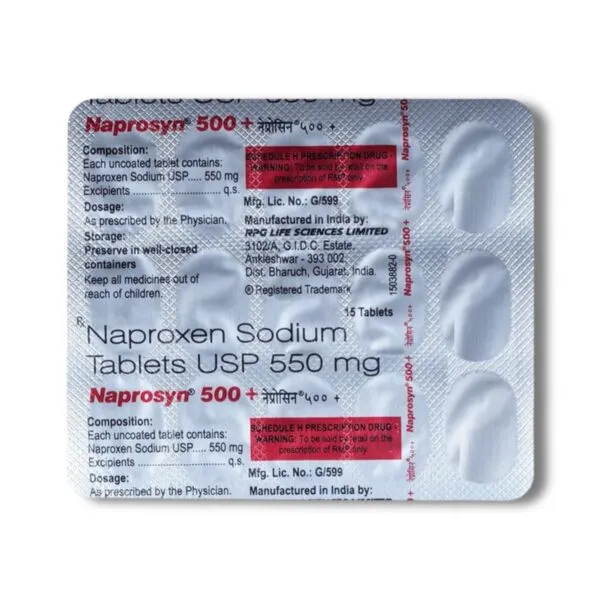
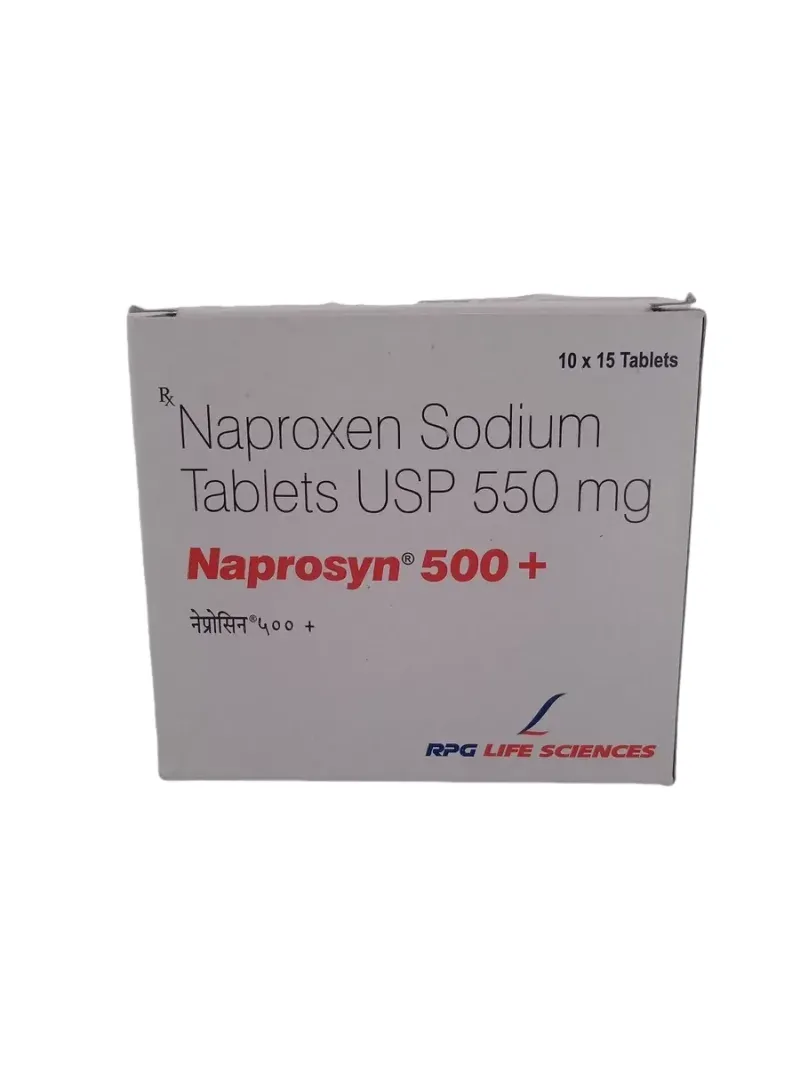

Introduction to Naprosyn (Naproxen)
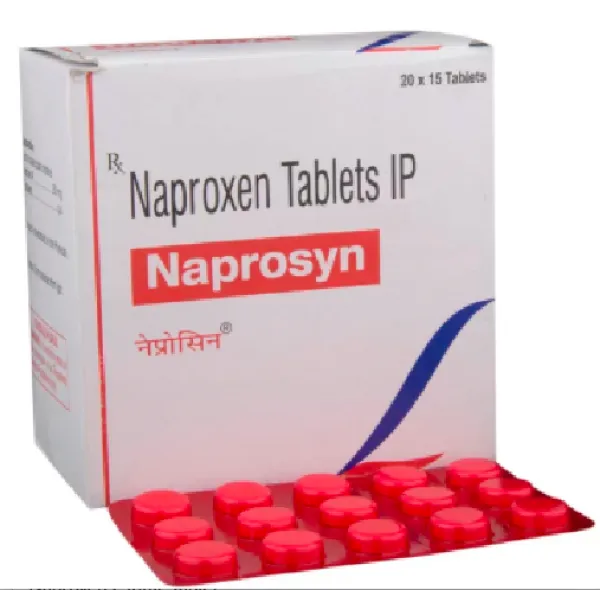
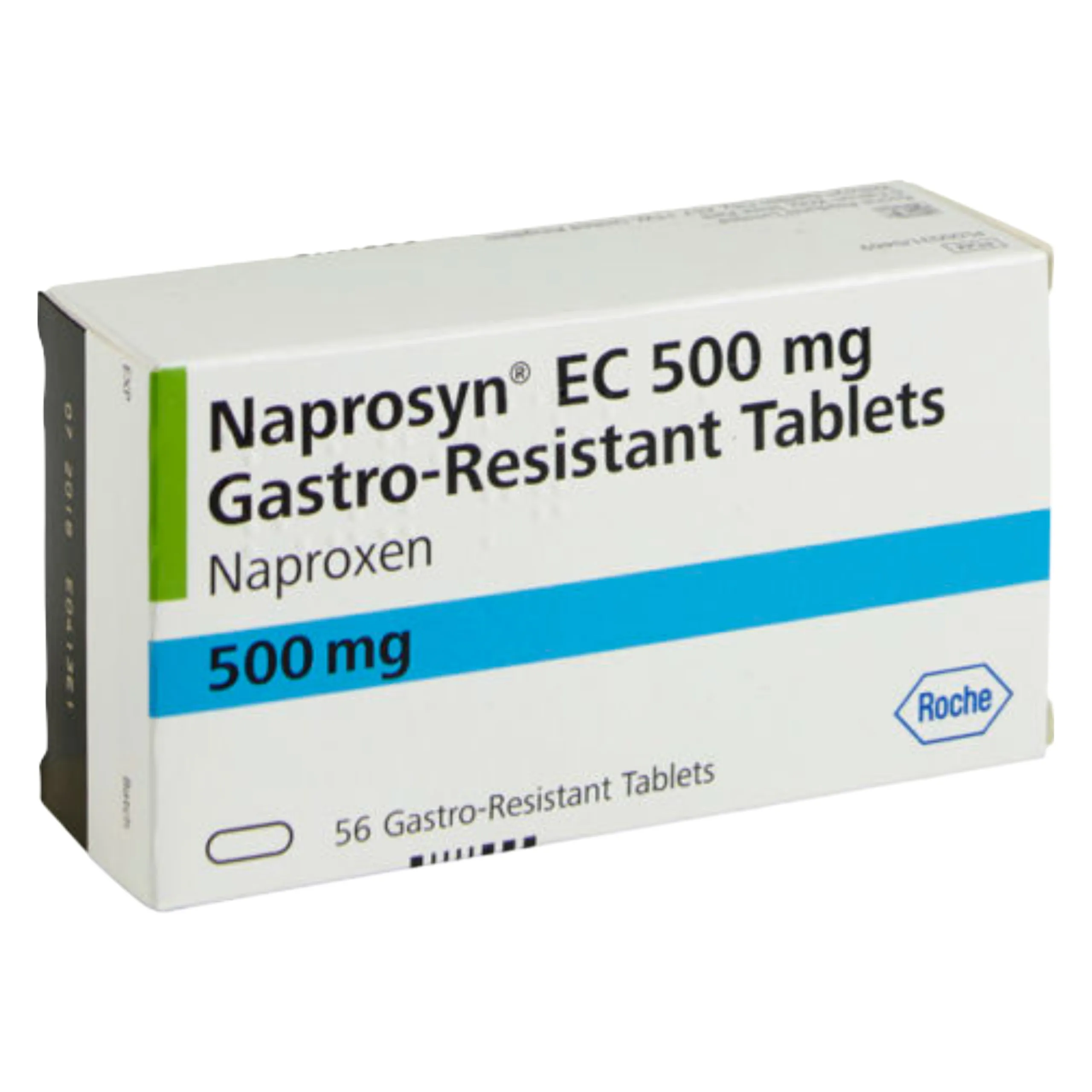
Naprosyn, the brand name for the nonsteroidal anti-inflammatory drug (NSAID) naproxen, remains one of the most widely prescribed medications in orthopedic and general clinical practice. As a propionic acid derivative, Naprosyn is prized for its long half-life, allowing for convenient twice-daily dosing compared to shorter-acting NSAIDs. It is indicated for the treatment of inflammatory conditions, acute pain, and musculoskeletal disorders.
In the orthopedic setting, Naprosyn is a cornerstone therapy for managing the symptoms of osteoarthritis, rheumatoid arthritis, and ankylosing spondylitis. By effectively inhibiting the production of prostaglandins, it provides significant relief from pain, swelling, and joint stiffness.
Technical Specifications and Mechanism of Action
Pharmacodynamics: How Naprosyn Works
Naprosyn exerts its therapeutic effects primarily through the inhibition of the cyclooxygenase (COX) enzymes, specifically COX-1 and COX-2.
- Inhibition of Prostaglandin Synthesis: By blocking the arachidonic acid cascade, Naprosyn reduces the synthesis of prostaglandins, which are key mediators of pain, inflammation, and fever.
- COX Selectivity: While it is considered a non-selective NSAID, it demonstrates potent anti-inflammatory activity.
- Analgesic and Antipyretic Effects: Through the reduction of prostaglandin levels in the central nervous system and peripheral tissues, Naprosyn effectively raises the pain threshold and resets the hypothalamic set-point for fever.
Pharmacokinetics
Understanding the pharmacokinetic profile of Naprosyn is essential for optimizing clinical outcomes:
| Parameter | Clinical Data |
|---|---|
| Absorption | Completely absorbed from the gastrointestinal tract; peak plasma levels in 2–4 hours. |
| Bioavailability | High (nearly 100%). |
| Protein Binding | Highly bound to albumin (>99%). |
| Metabolism | Primarily hepatic (via cytochrome P450 system). |
| Half-life | Approximately 12–17 hours, allowing for BID (twice-daily) dosing. |
| Excretion | Primarily renal (95%). |
Clinical Indications and Usage
Naprosyn is indicated for a wide range of acute and chronic conditions where inflammation and pain are the primary drivers of morbidity.
Primary Indications
- Osteoarthritis: Management of joint pain, tenderness, and morning stiffness.
- Rheumatoid Arthritis: Reduction of inflammation in systemic autoimmune joint disease.
- Ankylosing Spondylitis: Alleviation of spinal pain and stiffness.
- Acute Musculoskeletal Pain: Including sprains, strains, and tendonitis.
- Dysmenorrhea: Primary dysmenorrhea treatment.
- Gout: Acute flares (though other NSAIDs may be preferred depending on patient history).
Dosage Guidelines
Dosage must be individualized based on the patient’s clinical response and tolerance.
- Adults (Arthritis/Ankylosing Spondylitis): 250 mg to 500 mg orally twice daily.
- Maximum Daily Dose: Generally 1,000 mg to 1,500 mg per day. Exceeding 1,500 mg is rarely recommended due to the increased risk of gastrointestinal (GI) toxicity.
- Acute Pain/Dysmenorrhea: An initial dose of 500 mg followed by 250 mg every 6 to 8 hours as needed.
Risks, Side Effects, and Contraindications
Cardiovascular and Gastrointestinal Risks
All NSAIDs, including Naprosyn, carry a "black box" warning regarding increased risks of serious cardiovascular (CV) thrombotic events (myocardial infarction and stroke) and severe gastrointestinal (GI) adverse events (bleeding, ulceration, and perforation).
Contraindications
- Known Hypersensitivity: History of asthma, urticaria, or allergic-type reactions to aspirin or other NSAIDs.
- Peri-operative Pain: Use in the setting of coronary artery bypass graft (CABG) surgery is strictly contraindicated.
- Active GI Bleeding: History of peptic ulcer disease or active gastrointestinal hemorrhage.
- Severe Renal Impairment: Due to the risk of further decline in glomerular filtration rate.
Potential Side Effects
| Body System | Common Side Effects |
|---|---|
| Gastrointestinal | Dyspepsia, nausea, abdominal pain, constipation, diarrhea. |
| Neurological | Headache, dizziness, drowsiness. |
| Dermatological | Pruritus, rash, ecchymosis. |
| Special Senses | Tinnitus, visual disturbances. |
Drug Interactions
Naprosyn interacts with several medication classes, necessitating careful monitoring:
- Anticoagulants (e.g., Warfarin): Increased risk of bleeding due to antiplatelet effects and gastric mucosal irritation.
- ACE Inhibitors/Diuretics: Naprosyn may diminish the antihypertensive effect and potentially increase the risk of renal failure in elderly patients.
- Lithium: NSAIDs can increase plasma lithium concentrations by reducing renal clearance.
- Methotrexate: Naprosyn may increase the toxicity of methotrexate by reducing its renal elimination.
Pregnancy and Lactation Warnings
- Pregnancy (Category C/D): Use of NSAIDs around 20 weeks or later in pregnancy may cause fetal renal dysfunction leading to oligohydramnios and, in some cases, neonatal renal impairment. Avoid use during the third trimester as it may cause premature closure of the ductus arteriosus.
- Lactation: Naproxen is excreted in breast milk in low concentrations. While generally considered safer than some other NSAIDs, consultation with a healthcare provider is mandatory before use by nursing mothers.
Overdose Management
Acute overdose of Naprosyn is generally characterized by lethargy, drowsiness, nausea, vomiting, and epigastric pain.
- Management: Treatment is primarily supportive and symptomatic.
- Gastric Decontamination: If the patient presents shortly after ingestion (within 1-2 hours), activated charcoal or gastric lavage may be considered.
- Monitoring: Monitor renal and hepatic function. There is no specific antidote for naproxen overdose. Forced diuresis or hemodialysis is usually ineffective due to high protein binding.
Frequently Asked Questions (FAQ)
1. How long does it take for Naprosyn to start working?
Most patients feel initial pain relief within 30 to 60 minutes, but the full anti-inflammatory effect for chronic conditions like arthritis may take up to 2 weeks of consistent use.
2. Should I take Naprosyn with food?
Yes. Taking Naprosyn with food or milk is highly recommended to minimize the risk of gastric irritation and dyspepsia.
3. Can I drink alcohol while taking Naprosyn?
It is advised to limit or avoid alcohol, as both substances can irritate the stomach lining and increase the risk of gastrointestinal bleeding.
4. Is Naprosyn the same as Naproxen Sodium?
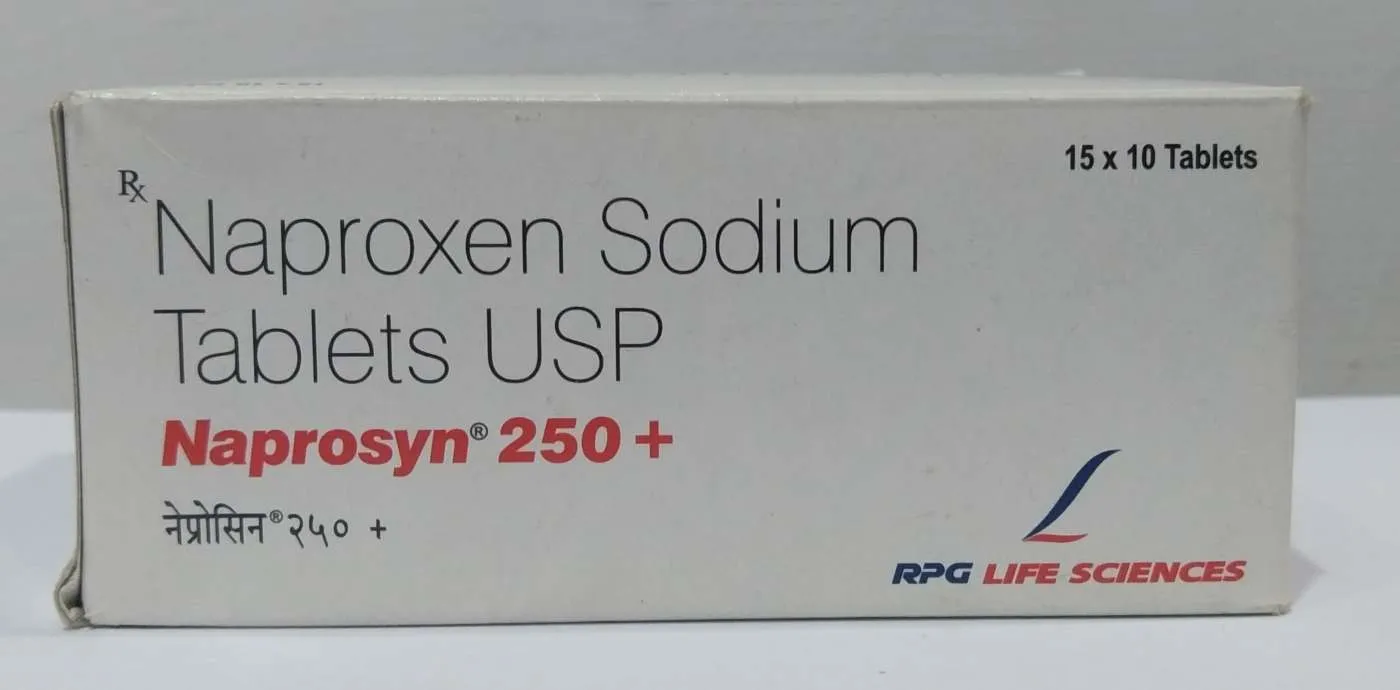
Naproxen is the active ingredient. Naproxen sodium is a salt form often found in over-the-counter formulations (like Aleve) designed for faster absorption. Naprosyn is the prescription-strength version.
5. Can I take Naprosyn with aspirin?
No. Combining NSAIDs with aspirin increases the risk of serious side effects, particularly gastrointestinal ulcers and bleeding, without providing significant additional benefit.
6. What should I do if I miss a dose?
Take the missed dose as soon as you remember. If it is almost time for your next dose, skip the missed one. Do not take two doses at once.
7. Does Naprosyn cause weight gain?
Fluid retention is a known side effect of NSAIDs, which can sometimes be misinterpreted as weight gain. If you notice significant swelling (edema), consult your doctor.
8. Is Naprosyn safe for patients with high blood pressure?
Naprosyn can increase blood pressure and interfere with the effectiveness of antihypertensive medications. Patients with hypertension should be monitored closely.
9. Can children take Naprosyn?
Naprosyn is generally not recommended for children under 12 years of age unless specifically directed by a pediatrician for juvenile arthritis.
10. How do I store Naprosyn?
Store at room temperature, away from moisture and heat. Keep the bottle tightly closed and out of reach of children.
Disclaimer: This guide is for informational purposes only and does not constitute medical advice. Always consult with a licensed physician or pharmacist before starting or changing any medication regimen.