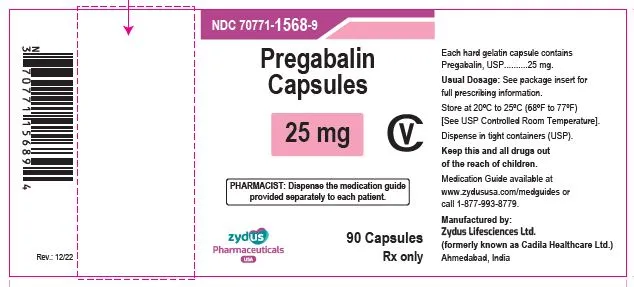

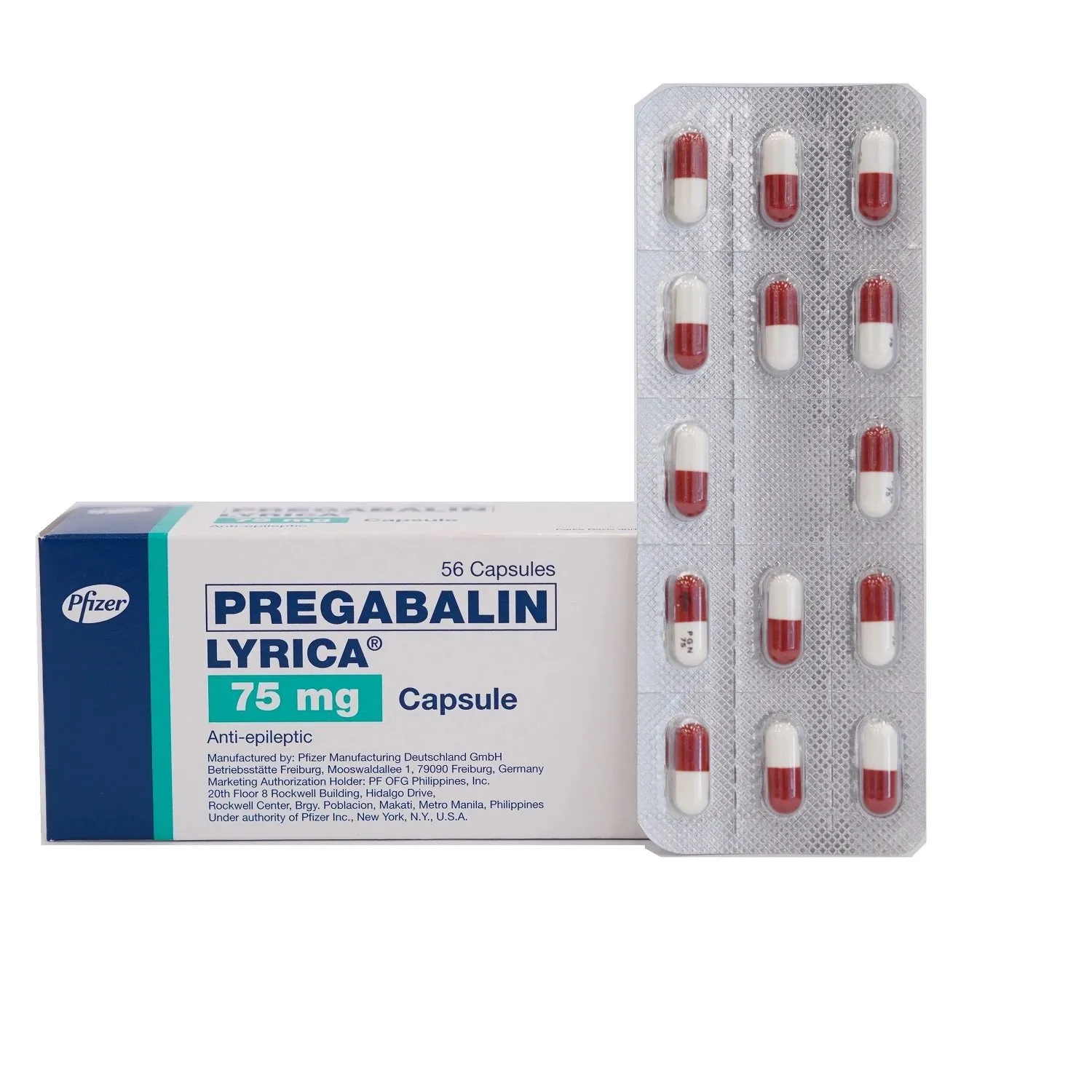

Comprehensive Guide to Neuromac (Pregabalin)
Neuromac, the brand name for Pregabalin, stands as a cornerstone in the pharmacological management of neuropathic pain and specific seizure disorders. As an orthopedic specialist, I frequently encounter patients suffering from chronic nerve-related conditions where traditional analgesics fail. Pregabalin belongs to the gabapentinoid class of drugs, functioning as a potent modulator of neurotransmission. This guide serves as an exhaustive resource for understanding the clinical utility, safety profile, and physiological impact of Neuromac.
Technical Specifications and Mechanism of Action
The Neurochemical Foundation
Pregabalin acts primarily by binding to the alpha-2-delta (α2δ) subunit of voltage-gated calcium channels in the central nervous system (CNS). Unlike benzodiazepines or standard GABAergic drugs, Neuromac does not bind directly to GABA-A or GABA-B receptors, nor does it inhibit GABA uptake.
Mechanism of Action Details
When the α2δ subunit is occupied by Pregabalin, it leads to a reduction in the influx of calcium into nerve terminals. This modulation results in:
* Decreased Neurotransmitter Release: Specifically, it reduces the release of excitatory neurotransmitters such as glutamate, norepinephrine, and substance P.
* Stabilization of Hyperexcitable Neurons: By dampening the calcium-dependent release of these chemicals, the drug stabilizes neuronal activity, effectively raising the threshold for pain signaling and seizure initiation.
Pharmacokinetics
Understanding the movement of Neuromac through the body is vital for optimizing therapeutic outcomes:
| Parameter | Clinical Characteristic |
|---|---|
| Bioavailability | Greater than 90% (dose-independent) |
| Peak Plasma Time | Approximately 1.5 hours |
| Protein Binding | 0% (does not bind to plasma proteins) |
| Metabolism | Negligible (excreted unchanged in urine) |
| Half-life | Approximately 6.3 hours |
Clinical Indications and Usage
Neuromac is indicated for a variety of conditions where nerve signaling is disrupted. In an orthopedic and neurology setting, its utility is broad:
- Neuropathic Pain: Management of pain associated with diabetic peripheral neuropathy and post-herpetic neuralgia.
- Fibromyalgia: Used to manage the widespread musculoskeletal pain and fatigue associated with this condition.
- Adjunctive Therapy for Epilepsy: Indicated for partial-onset seizures in patients 1 month of age and older.
- Generalized Anxiety Disorder (GAD): In many jurisdictions, it is used as a second-line treatment for chronic anxiety.
- Post-Operative Neuropathic Pain: Often prescribed following spinal surgery or procedures involving nerve trauma.
Dosage Guidelines
Dosage must be individualized based on patient response and renal function.
General Dosing Strategy
- Starting Dose: Typically 75 mg twice daily or 50 mg three times daily.
- Titration: May be increased to 150 mg twice daily within a week based on efficacy and tolerability.
- Maximum Dose: 600 mg daily. Higher doses do not generally provide additional benefit and significantly increase the risk of side effects.
Renal Impairment Considerations
Because Neuromac is excreted renally, patients with compromised kidney function require dose adjustments:
* CrCl 30–60 mL/min: 50% of the standard dose.
* CrCl 15–30 mL/min: 25% of the standard dose.
* End-Stage Renal Disease: Supplemental doses are often required following dialysis.
Contraindications and Risks
Absolute Contraindications
- Hypersensitivity: Known allergy to Pregabalin or any of its excipients.
Warnings and Precautions
- Angioedema: Serious cases have been reported, including life-threatening respiratory compromise.
- Hypersensitivity Reactions: Watch for skin rashes, blisters, or urticaria.
- Suicidal Ideation: Like many anticonvulsants, monitor for behavioral changes or increased depression.
- Dizziness and Somnolence: Neuromac is known to impair cognitive and motor function; patients should avoid driving or operating heavy machinery until the drug's effect is fully understood.
Drug Interactions
Pregabalin has a low potential for drug-drug interactions due to its lack of hepatic metabolism. However, caution is required with:
* CNS Depressants: Concomitant use with opioids, benzodiazepines, or alcohol can cause severe respiratory depression and profound sedation.
* ACE Inhibitors: Increased risk of angioedema.
* Thiazolidinediones: Increased risk of weight gain and peripheral edema.
Pregnancy and Lactation
- Pregnancy: Pregabalin is classified as Pregnancy Category C. Animal studies have shown reproductive toxicity. It should only be used during pregnancy if the potential benefit justifies the potential risk to the fetus.
- Lactation: Pregabalin is excreted in human milk. The effect on the nursing infant is unknown; therefore, it is generally recommended to either discontinue breastfeeding or discontinue the drug, taking into account the importance of the drug to the mother.
Overdose Management
Symptoms of overdose include somnolence, confusion, agitation, and restlessness. In rare cases, coma may occur.
* Treatment: There is no specific antidote for Pregabalin. Management is supportive.
* Procedures: Gastric lavage may be considered if ingestion was recent. Hemodialysis may be effective in patients with severe renal failure who have overdosed.
Frequently Asked Questions (FAQ)
1. Does Neuromac cause weight gain?
Yes, weight gain is a common side effect of Pregabalin. Patients should monitor their weight and discuss dietary changes with their physician.
2. Can I stop taking Neuromac suddenly?
No. Sudden discontinuation can lead to withdrawal symptoms, including insomnia, nausea, headache, and diarrhea. Tapering over at least one week is recommended.
3. Is Neuromac an opioid?
No, it is not an opioid. It belongs to the gabapentinoid class and does not act on opioid receptors, though it is sometimes used to manage pain in conjunction with opioids.
4. How long does it take to work?
Some patients notice relief within a few days, but it may take 2 to 4 weeks to reach full therapeutic effect for neuropathic pain.
5. Can I drink alcohol while on this medication?
Alcohol increases the sedative effects of Neuromac. It is strongly advised to avoid or strictly limit alcohol consumption.
6. Will Neuromac show up on a drug test?
Standard urine drug screens do not typically detect Pregabalin. However, specialized tests can identify it if requested.
7. Why is my dose being adjusted for kidney function?
Because the kidneys are responsible for clearing the drug from your body, reduced function requires a lower dose to prevent drug accumulation and toxicity.
8. Does Neuromac affect my memory?
Some patients report "brain fog" or cognitive impairment. If this persists, consult your doctor to adjust the dosage.
9. Can children take Neuromac?
It is approved for use in children for specific seizure disorders, but it must be prescribed and monitored by a pediatric neurologist.
10. What should I do if I miss a dose?
Take the missed dose as soon as you remember. If it is almost time for your next dose, skip the missed one. Do not take two doses at the same time.
Disclaimer: This guide is for educational purposes only and does not constitute professional medical advice. Always consult with a qualified healthcare provider for diagnosis and treatment of any medical condition.