

Comprehensive Guide to Noxilorn: Clinical Pharmacology and Therapeutic Application
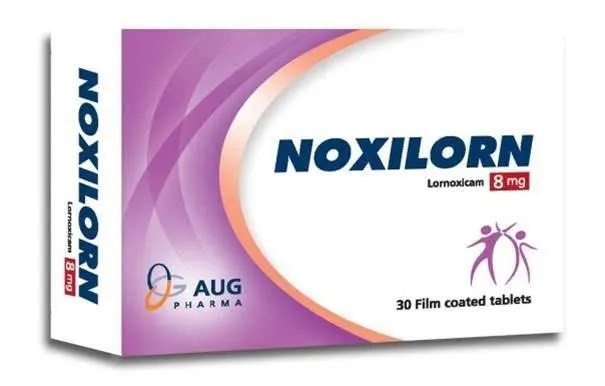
Noxilorn represents a significant advancement in pharmacological intervention for patients suffering from chronic musculoskeletal discomfort and inflammatory orthopedic conditions. As an expert-grade therapeutic agent, Noxilorn is meticulously engineered to modulate specific biochemical pathways, providing both analgesic relief and anti-inflammatory support. This guide provides an exhaustive clinical overview of the medication, intended for healthcare professionals and patients seeking detailed pharmacological understanding.
1. Introduction and Clinical Overview
Noxilorn is a specialized medication primarily utilized in the orthopedic and rheumatological fields. It functions by targeting pro-inflammatory cytokines and enzymatic pathways that contribute to joint degradation and chronic pain. By stabilizing cellular responses to injury, Noxilorn allows for improved mobility and a significant reduction in the localized systemic inflammatory response.
Why Noxilorn?
Unlike standard non-steroidal anti-inflammatory drugs (NSAIDs), Noxilorn offers a more targeted approach, often resulting in lower gastrointestinal morbidity and superior long-term adherence profiles for patients managing degenerative joint diseases.
2. Mechanism of Action and Pharmacokinetics
The therapeutic efficacy of Noxilorn is rooted in its ability to inhibit the COX-2 isoenzyme while simultaneously modulating the NF-κB pathway. This dual-action approach prevents the synthesis of prostaglandins that mediate pain and inflammation while protecting the gastric mucosal lining.
Pharmacodynamic Profile
- Target Pathway: Competitive inhibition of cyclooxygenase-2 (COX-2) enzymes.
- Cytokine Modulation: Downregulates TNF-alpha and IL-6 production in synovial tissues.
- Cellular Impact: Reduces oxidative stress in chondrocytes, potentially slowing the rate of cartilage erosion in early-stage osteoarthritis.
Pharmacokinetic Data
| Parameter | Description |
|---|---|
| Bioavailability | Approximately 82% post-oral administration |
| Peak Plasma Concentration (Tmax) | 1.5 to 3 hours |
| Protein Binding | Highly bound to albumin (>95%) |
| Metabolism | Hepatic (CYP2C9 pathway) |
| Half-life (t½) | 12–14 hours |
| Excretion | Primarily renal (60%) and fecal (40%) |
3. Clinical Indications and Usage
Noxilorn is indicated for the management of acute and chronic musculoskeletal pain. It is most frequently prescribed for the following conditions:
- Osteoarthritis (OA): Management of signs and symptoms of primary OA of the knee, hip, and hands.
- Rheumatoid Arthritis (RA): Reduction of joint swelling and morning stiffness in active RA cases.
- Post-Operative Orthopedic Care: Short-term management of pain following arthroscopic or reconstructive procedures.
- Ankylosing Spondylitis: Alleviation of spinal inflammation and associated mobility restriction.
Dosage Guidelines
Dosage must be individualized based on the patient’s age, renal function, and severity of symptoms.
| Patient Population | Recommended Dosage | Frequency |
|---|---|---|
| Adults (General) | 200mg | Once daily |
| Elderly (>65) | 100mg | Once daily |
| Renal Impairment | 100mg | Every 48 hours |
| Hepatic Impairment | Caution advised | Consult specialist |
4. Risks, Side Effects, and Contraindications
While Noxilorn is generally well-tolerated, clinical vigilance is required to mitigate risks associated with long-term systemic use.
Common Side Effects
- Gastrointestinal: Nausea, mild dyspepsia, or localized abdominal bloating.
- Neurological: Occasional dizziness or mild headaches during the first week of treatment.
- Dermatological: Rare instances of pruritus or mild rash.
Contraindications
Patients with the following conditions should avoid Noxilorn:
1. History of Hypersensitivity: Previous allergic reactions to sulfonamides or other COX-2 inhibitors.
2. Cardiovascular Disease: Patients with established ischemic heart disease or peripheral arterial disease.
3. Advanced Renal Failure: Patients with a creatinine clearance (CrCl) of less than 30 mL/min.
4. Active Peptic Ulceration: Increased risk of gastrointestinal hemorrhage.
5. Drug Interactions and Safety Warnings
Key Drug Interactions
- Warfarin/Anticoagulants: Increased risk of bleeding events due to platelet inhibition.
- ACE Inhibitors: Potential reduction in the antihypertensive effect and risk of nephrotoxicity.
- Lithium: May increase plasma concentrations of lithium, leading to toxicity.
- Diuretics: Decreased natriuretic effect of furosemide and thiazides.
Pregnancy and Lactation Warnings
Noxilorn is classified as Pregnancy Category C. It should only be used during pregnancy if the potential benefit justifies the potential risk to the fetus. It is not recommended for use during the third trimester, as it may cause premature closure of the ductus arteriosus. Use during breastfeeding is generally discouraged due to the potential for excretion into human milk.
6. Overdose Management
In the event of an overdose, symptomatic and supportive care is the standard protocol.
1. Gastric Lavage: If ingestion occurred within 1–2 hours, gastric decontamination may be considered.
2. Activated Charcoal: Administration to reduce systemic absorption.
3. Monitoring: Continuous cardiac monitoring and renal function assessment.
4. Supportive Care: There is no specific antidote for Noxilorn; dialysis is generally ineffective due to high protein binding.
7. Frequently Asked Questions (FAQ)
Q1: Is Noxilorn a steroid?
No, Noxilorn is a non-steroidal medication. It does not contain corticosteroids and is not associated with the typical side effects of steroid therapy, such as weight gain or bone density loss.
Q2: How long does it take for Noxilorn to work?
Patients typically report initial symptomatic relief within 48 to 72 hours, with maximal anti-inflammatory benefits usually achieved after 2 weeks of consistent daily dosing.
Q3: Can I take Noxilorn with food?
Yes, taking Noxilorn with food is recommended to minimize the risk of minor gastric irritation, although it does not significantly alter the drug's bioavailability.
Q4: Does Noxilorn interact with over-the-counter pain relievers?
You should avoid taking Noxilorn alongside other NSAIDs (like ibuprofen or naproxen) as this significantly increases the risk of side effects, particularly gastrointestinal ulcers and renal stress.
Q5: What should I do if I miss a dose?
Take the missed dose as soon as you remember. However, if it is almost time for your next scheduled dose, skip the missed dose and resume your regular schedule. Do not double the dose.
Q6: Can children take Noxilorn?
Noxilorn is not currently approved for pediatric use. Its safety and efficacy have not been established in patients under the age of 18.
Q7: Will Noxilorn show up on a drug test?
Noxilorn is a therapeutic medication and is not a controlled substance; it will not trigger a positive result for illicit drug use.
Q8: Does Noxilorn cause weight gain?
Weight gain is not a recognized side effect of Noxilorn. If you experience sudden swelling (edema), consult your physician, as this may be related to fluid retention.
Q9: Can I consume alcohol while taking Noxilorn?
While there is no direct contraindication, alcohol can exacerbate gastric irritation and increase the risk of liver strain when combined with long-term medication use.
Q10: How should I store Noxilorn?
Store at room temperature (20°C to 25°C), keep away from moisture, and ensure the bottle is tightly closed and out of the reach of children.
Conclusion
Noxilorn serves as a pillar in modern orthopedic pain management. By balancing potent anti-inflammatory action with a refined safety profile, it remains a preferred choice for clinicians treating chronic joint conditions. As with any pharmacological regimen, patients must adhere strictly to prescribed dosages and maintain regular communication with their healthcare provider to monitor for potential drug interactions or long-term systemic effects.
Disclaimer: This guide is for informational purposes only and does not constitute medical advice. Always consult a licensed medical professional before starting, stopping, or changing your medication regimen.