
Comprehensive Guide to Ofloxacin (Oflox): Clinical Pharmacology and Usage
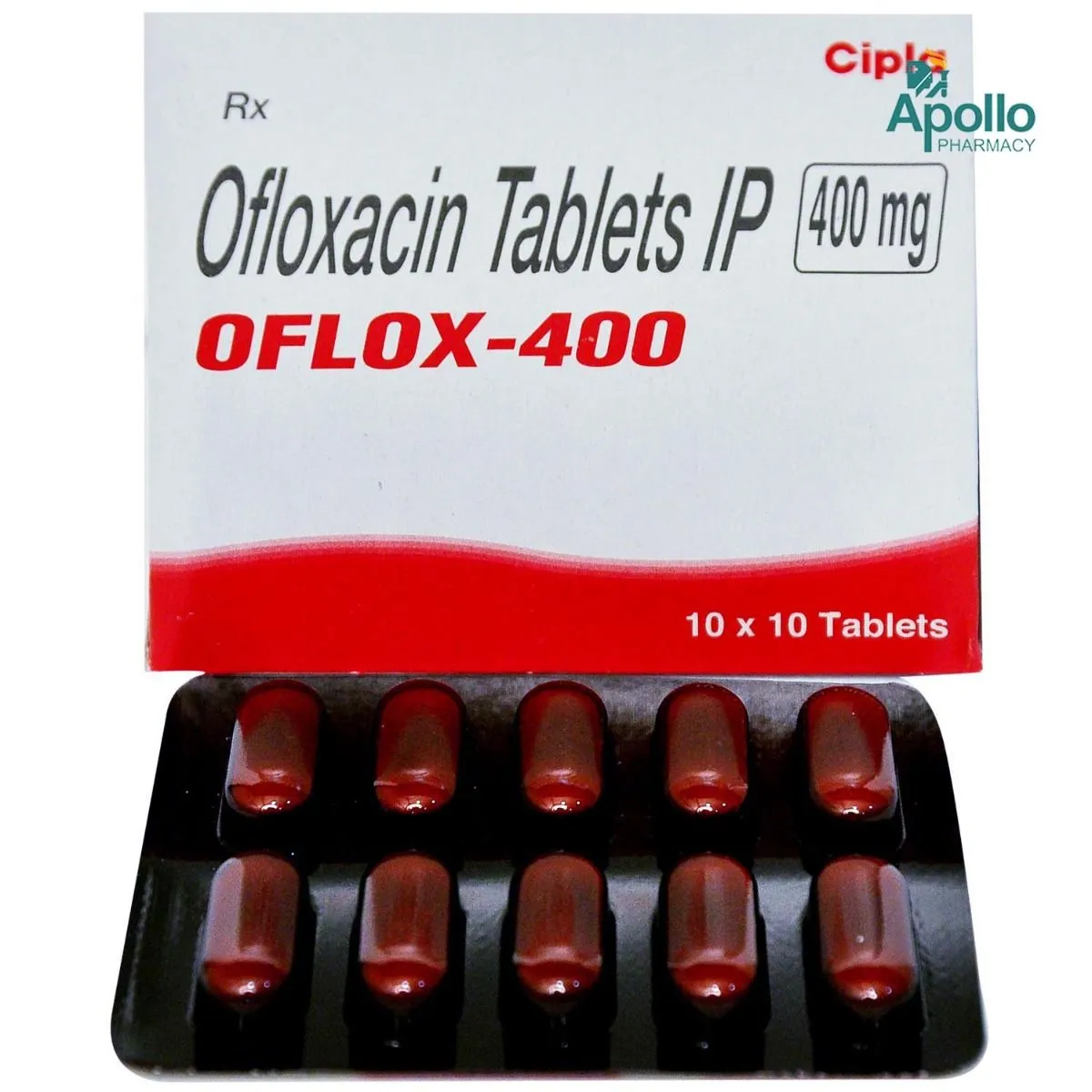
Ofloxacin, widely recognized by the brand name Oflox, is a potent broad-spectrum fluoroquinolone antibiotic. Since its introduction into clinical practice, it has played a pivotal role in the management of complex bacterial infections. As an orthopedic specialist and medical consultant, it is essential to understand that while Ofloxacin is systemic, its pharmacokinetics make it a valuable tool in treating bone and joint infections, as well as urological and respiratory complications.
This guide provides an exhaustive review of Ofloxacin, intended for healthcare professionals and patients seeking a deep understanding of its clinical utility and safety profile.
1. Deep-Dive: Mechanism of Action and Pharmacokinetics
Mechanism of Action
Ofloxacin functions by inhibiting the bacterial enzymes DNA gyrase (topoisomerase II) and topoisomerase IV.
- DNA Gyrase Inhibition: By preventing the supercoiling of bacterial DNA, Ofloxacin halts the replication process, leading to rapid cell death.
- Topoisomerase IV Inhibition: This targets the separation of replicated chromosomal DNA during cell division.
Because these enzymes are essential for bacterial survival and replication, Ofloxacin is classified as a bactericidal agent. Its high affinity for these bacterial enzymes, compared to human DNA topoisomerases, gives it a favorable therapeutic index.
Pharmacokinetics
Understanding how the body processes Ofloxacin is critical for optimizing dosing regimens.
| Feature | Description |
|---|---|
| Bioavailability | Excellent; nearly 98% absorption after oral administration. |
| Protein Binding | Approximately 25-30%. |
| Half-Life | 5 to 9 hours (prolonged in patients with renal impairment). |
| Metabolism | Minimal hepatic metabolism; primarily excreted unchanged. |
| Excretion | Primarily renal (via glomerular filtration and tubular secretion). |
2. Extensive Clinical Indications
Ofloxacin is indicated for a variety of bacterial infections caused by susceptible organisms. Its broad spectrum covers both Gram-positive and Gram-negative bacteria.
Primary Indications
- Urinary Tract Infections (UTIs): Including acute uncomplicated cystitis and complicated UTIs.
- Respiratory Tract Infections: Treatment of exacerbations of chronic bronchitis and community-acquired pneumonia.
- Skin and Skin Structure Infections: Management of mild to moderate infections.
- Pelvic Inflammatory Disease (PID): Often used in combination with other agents to cover anaerobic organisms.
- Prostatitis: Highly effective due to its ability to penetrate prostatic tissue.
- Orthopedic Applications: While not the first-line agent for osteomyelitis, it is utilized in specific cases where oral step-down therapy is required for Gram-negative coverage.
3. Dosage Guidelines and Administration
Dosing must be tailored based on the severity of the infection and the patient's renal function.
Standard Adult Dosing
- Uncomplicated Cystitis: 200 mg every 12 hours for 3 days.
- Complicated UTI: 200 mg every 12 hours for 10 days.
- Community-Acquired Pneumonia: 400 mg every 12 hours for 10 days.
- Prostatitis: 300 mg every 12 hours for 6 weeks.
Renal Adjustment
Patients with a creatinine clearance (CrCl) of less than 50 mL/min require dosage adjustments to prevent toxicity.
* CrCl 20-50 mL/min: Standard dose, but increase the dosing interval to every 24 hours.
* CrCl < 20 mL/min: Reduce the dose by 50% and administer every 24 hours.
4. Risks, Side Effects, and Contraindications
Common Side Effects
- Gastrointestinal: Nausea, diarrhea, and abdominal pain.
- Neurological: Dizziness, headache, and insomnia.
- Dermatological: Photosensitivity (patients should avoid excessive UV exposure).
Serious Warnings (Black Box Warnings)
Fluoroquinolones, including Ofloxacin, carry significant warnings:
1. Tendinopathy and Tendon Rupture: Increased risk in patients over 60, those taking corticosteroids, or those with a history of renal/heart/lung transplants.
2. Peripheral Neuropathy: May occur shortly after initiation and may be permanent.
3. CNS Effects: Potential for seizures, increased intracranial pressure, and toxic psychosis.
4. Myasthenia Gravis: Ofloxacin may exacerbate muscle weakness.
Contraindications
- Known hypersensitivity to Ofloxacin or other quinolones.
- History of tendon disorders related to fluoroquinolone use.
- Pediatric patients (due to potential for arthropathy).
5. Pregnancy, Lactation, and Drug Interactions
Pregnancy and Lactation
- Pregnancy: Category C. Use only if the potential benefit justifies the potential risk to the fetus. Animal studies have shown arthropathy in immature animals.
- Lactation: Ofloxacin is excreted in human milk. Due to the risk of serious adverse reactions in the infant, a decision must be made to either discontinue nursing or discontinue the drug.
Important Drug Interactions
- Antacids/Multivitamins: Cations like aluminum, magnesium, calcium, and iron bind to Ofloxacin, significantly reducing its absorption. Space doses by at least 2 hours.
- Warfarin: May enhance the anticoagulant effect; monitor INR closely.
- NSAIDs: Concurrent use may increase the risk of CNS stimulation and seizures.
- Theophylline: Ofloxacin may increase serum levels of theophylline, leading to toxicity.
6. Overdose Management
In the event of an acute overdose, the stomach should be emptied by induced emesis or gastric lavage. The patient should be carefully observed, and appropriate hydration maintained. Ofloxacin is not efficiently removed by hemodialysis or peritoneal dialysis.
7. Frequently Asked Questions (FAQ)
1. Is Oflox effective against viral infections like the common cold?
No. Ofloxacin is an antibiotic and is strictly for bacterial infections. It has no effect on viruses.
2. Can I take Oflox with milk or yogurt?
Dairy products contain calcium, which can interfere with absorption. It is best to take Ofloxacin on an empty stomach or at least 2 hours apart from calcium-rich foods.
3. What should I do if I miss a dose?
Take the missed dose as soon as you remember. If it is almost time for your next dose, skip the missed one. Do not double the dose.
4. Why is there a warning about tendon rupture?
Fluoroquinolones can cause collagen degradation in tendons. If you experience sudden pain, swelling, or inability to move a joint, stop the medication and seek medical help immediately.
5. Can children take Ofloxacin?
Generally, it is contraindicated in children and adolescents under 18 due to the risk of cartilage damage in developing joints.
6. Does Ofloxacin cause sun sensitivity?
Yes. You may experience severe sunburns more easily. Wear protective clothing and sunscreen while on this medication.
7. How long does it take for Ofloxacin to start working?
Most patients feel improvement within 48 to 72 hours. However, you must complete the full course to prevent antibiotic resistance.
8. Can I drink alcohol while taking Ofloxacin?
While not strictly forbidden, alcohol can exacerbate dizziness and neurological side effects. It is advised to limit intake.
9. Is Ofloxacin the same as Ciprofloxacin?
They are in the same class (fluoroquinolones), but they have different pharmacokinetic profiles and bacterial coverage spectrums. Do not substitute them without medical advice.
10. What are the signs of an allergic reaction?
Seek emergency help if you experience hives, difficulty breathing, or swelling of the face, lips, or throat.
Disclaimer: This guide is for educational purposes only and does not constitute professional medical advice. Always consult with your physician or pharmacist regarding medication use, especially if you have underlying health conditions or are taking other prescription drugs.