

Comprehensive Guide to Medication Identification and Safety
In the modern clinical landscape, the accurate identification of pharmaceutical agents is a cornerstone of patient safety. Errors in medication administration—often stemming from unidentified pills, look-alike packaging, or mislabeled containers—represent a significant risk to public health. This guide addresses the critical importance of verifying unknown medications, using the placeholder input "Olca 25" as a case study for why precise identification is required before any pharmacological intervention.
The Critical Importance of Medication Verification
When a patient presents with an unidentified tablet, such as one marked "Olca 25," the immediate clinical priority is to refrain from ingestion or administration. In the field of orthopedics and general medicine, medications often have overlapping nomenclature or similar physical appearances (the "Look-Alike, Sound-Alike" or LASA phenomenon).
Attempting to guess the identity of a medication based on partial markings is dangerous. Pharmacological agents are engineered with specific chemical profiles, and the ingestion of an unknown substance can lead to severe adverse drug reactions (ADRs), systemic toxicity, or the masking of underlying orthopedic conditions.
Why "Olca 25" Cannot Be Verified
In medical informatics, drug databases rely on standardized imprints. If a pill is marked "Olca 25," it does not currently correlate with an FDA-approved drug or a globally recognized pharmaceutical entity. This could be due to several factors:
- Compounding Errors: The medication may be a custom-compounded preparation from a local pharmacy that does not follow national imprint standards.
- International Markets: The medication might be manufactured in a jurisdiction with different labeling regulations not captured in standard domestic databases.
- Counterfeit Substances: Unidentified markings are a hallmark of illicit or counterfeit medications, which pose a extreme risk of containing incorrect active ingredients, fillers, or toxic contaminants.
- Incorrect Transcription: The imprint may be misread. "Olca" may be a misinterpretation of "Olanzapine," "Olmesartan," or another common pharmaceutical.
The Risks of Unidentified Oral Solids
| Risk Factor | Potential Consequence |
|---|---|
| Allergic Reaction | Anaphylaxis, urticaria, or respiratory distress. |
| Drug Interactions | Potentiation or inhibition of existing orthopedic medications (e.g., NSAIDs or anticoagulants). |
| Toxicity | Liver or renal impairment due to unknown dosage. |
| Therapeutic Failure | Failure to treat the primary orthopedic issue due to inactive or incorrect compounds. |
Pharmacological Safety Protocols
When faced with an unidentified medication, healthcare providers and patients must follow a standardized protocol to ensure safety.
Step 1: Physical Examination
Examine the tablet for color, shape, scoring, and specific alphanumeric imprints. Use a digital caliper if necessary to measure the diameter.
Step 2: Database Cross-Referencing
Utilize recognized pill identification tools (e.g., Drugs.com, Medscape Pill ID). If the search returns no results, the medication must be treated as "unknown" and potentially hazardous.
Step 3: Professional Consultation
Consult a licensed pharmacist or a Poison Control Center. They have access to proprietary databases that include international imprints and specialized compounding information.
Step 4: Proper Disposal
Never consume an unidentified medication. If the origin cannot be confirmed, the medication should be disposed of via a local "drug take-back" program to prevent environmental contamination and accidental ingestion.
Managing Medication Safety in Orthopedic Practice
In orthopedic medicine, patients are often prescribed a complex regimen involving analgesics, anti-inflammatory agents, and bone-density modifiers. Adding an unidentified substance to this regimen can be catastrophic.
Mechanism of Action Risks
Many orthopedic medications (such as bisphosphonates or high-dose NSAIDs) have specific requirements for bioavailability. An unknown substance may interfere with the absorption of these drugs, leading to decreased efficacy in managing fracture healing or chronic joint inflammation.
Pharmacokinetics and Clearance
Many patients undergoing orthopedic surgery have compromised renal function due to age or chronic pain medication use. Introducing an unidentified compound whose pharmacokinetics (absorption, distribution, metabolism, and excretion) are unknown can lead to drug accumulation and secondary organ failure.
Frequently Asked Questions (FAQ)
1. What should I do if I find an unidentified pill in my medicine cabinet?
Do not take it. Contact your local pharmacist or physician. If it cannot be identified with 100% certainty, dispose of it at a designated drug collection site.
2. Can I look up "Olca 25" online?
Current medical databases do not recognize "Olca 25." If you see this, it is likely a misread label or a non-standardized preparation. Do not rely on internet forums for medical identification.
3. Why are pill imprints important?
Imprints allow for the rapid identification of medications in emergency settings, especially when a patient is unconscious or unable to provide a medical history.
4. Are generic medications different from brand-name drugs?
Generics must meet the same standards for strength and purity as brand-name drugs. However, they may have different physical appearances, which is why checking the imprint is vital.
5. What is the biggest risk of taking an unknown pill?
The greatest risk is an unpredictable adverse reaction, which could range from mild gastrointestinal distress to fatal anaphylaxis or severe organ damage.
6. How do I report a medication that looks suspicious?
If you suspect a medication is counterfeit or mislabeled, report it to the FDA’s MedWatch program or your local regulatory health authority.
7. Should I cut a pill if it has a score line?
Only if the pill is specifically designed to be split. Some medications are extended-release and splitting them can cause a dangerous "dose dump" into your system.
8. Does "25" always mean 25mg?
Usually, yes. However, without a verified manufacturer, the number could represent a batch code, a lot number, or a different unit of measure entirely.
9. Can I bring an unknown pill to the ER?
Yes. If you or someone else has ingested an unknown substance, take the pill (and the bottle, if available) with you to the Emergency Room so toxicologists can analyze it.
10. How can I prevent accidental medication ingestion?
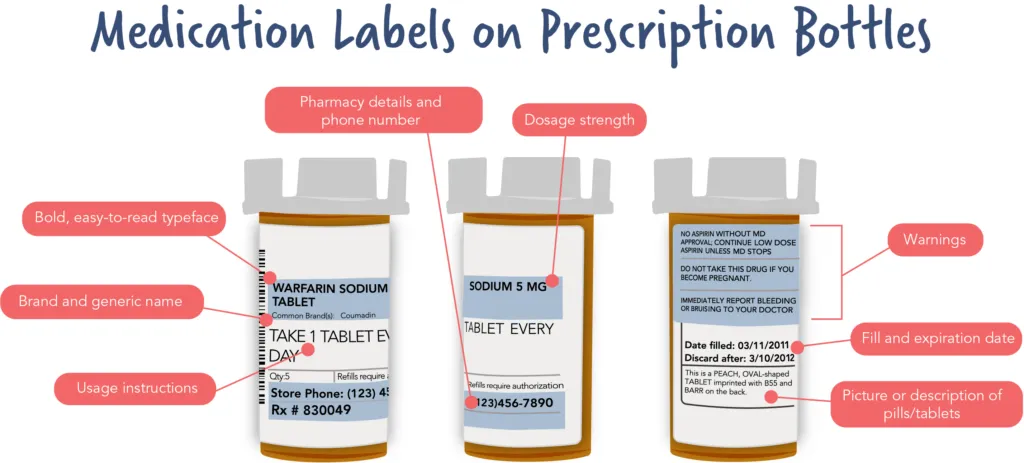
Store all medications in their original, labeled containers. Use a pill organizer only if you are certain of the contents. Keep medications out of reach of children and pets.
Contraindications and Adverse Effects
When a medication is unidentified, every possible contraindication applies. You must assume that the substance could interact negatively with:
* Anticoagulants: Increased risk of hemorrhage.
* NSAIDs: Increased risk of GI bleeding or renal toxicity.
* Opioids: Increased risk of respiratory depression.
* Antibiotics: Potential for drug-drug interaction or reduced efficacy.
Pregnancy and Lactation Warnings
Never ingest an unknown substance if you are pregnant or breastfeeding. Many medications are classified as teratogenic (causing birth defects) or can be secreted into breast milk, posing significant risks to the developing fetus or infant. Because the chemical composition of an unidentified pill like "Olca 25" is unknown, the risk profile is infinite and must be treated as a severe medical emergency if ingestion occurs.
Overdose Management and Emergency Procedures
If ingestion of an unidentified medication occurs, follow these emergency steps:
1. Call Emergency Services (911 or local equivalent): Do not wait for symptoms to appear.
2. Collect Evidence: Bring the remaining pills or the container to the hospital.
3. Symptom Monitoring: Note any signs of tachycardia, bradycardia, confusion, seizures, or loss of consciousness.
4. Professional Assessment: Medical professionals will likely perform a toxicology screen and provide supportive care, such as activated charcoal, intravenous fluids, or specific antidotes if the class of the drug is suspected.
Conclusion
The safety of your pharmacological regimen is paramount. An unidentified pill, such as one labeled "Olca 25," is a red flag that requires immediate professional verification. Never prioritize convenience or guesswork over your health. Always utilize your pharmacist as your primary resource for medication identification and safety. By maintaining vigilance and adhering to strict identification protocols, you protect yourself from the preventable risks associated with unknown pharmaceutical agents.
Disclaimer: This guide is for educational purposes only and does not constitute medical advice. Always consult with a licensed healthcare provider or pharmacist regarding medication safety, identification, and administration. If you have ingested an unknown substance, seek immediate medical attention.