



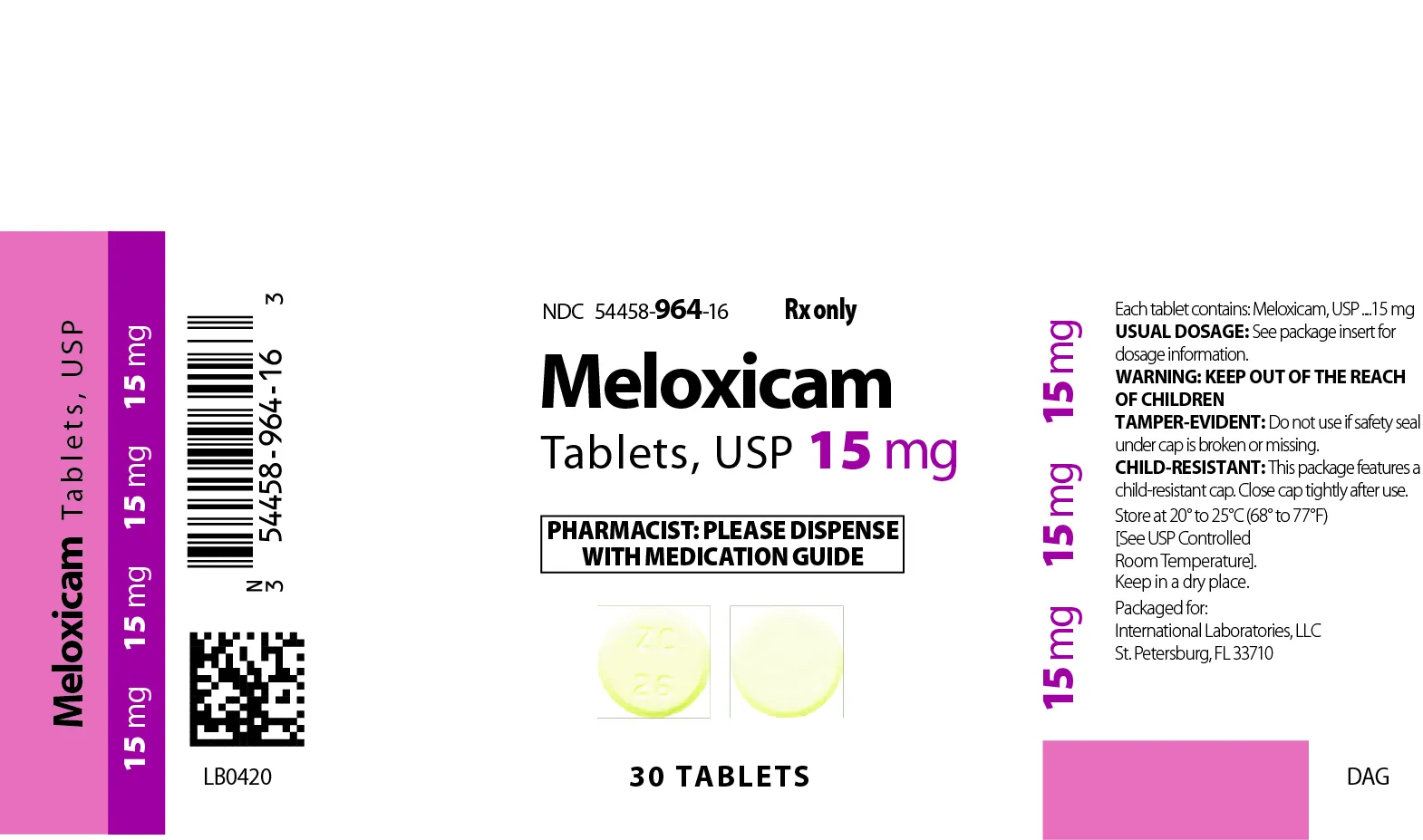
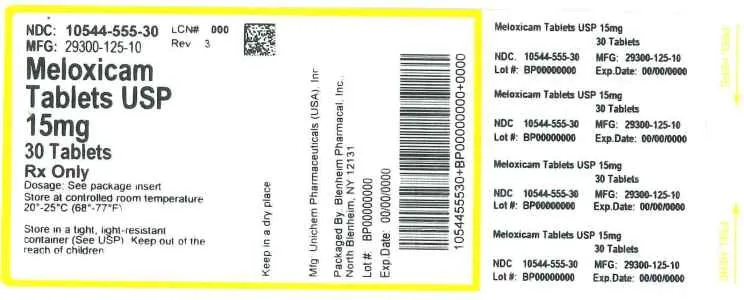
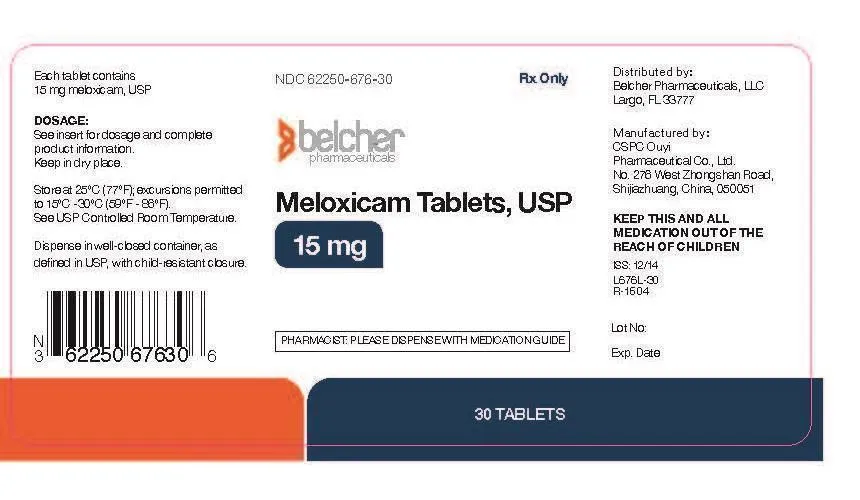
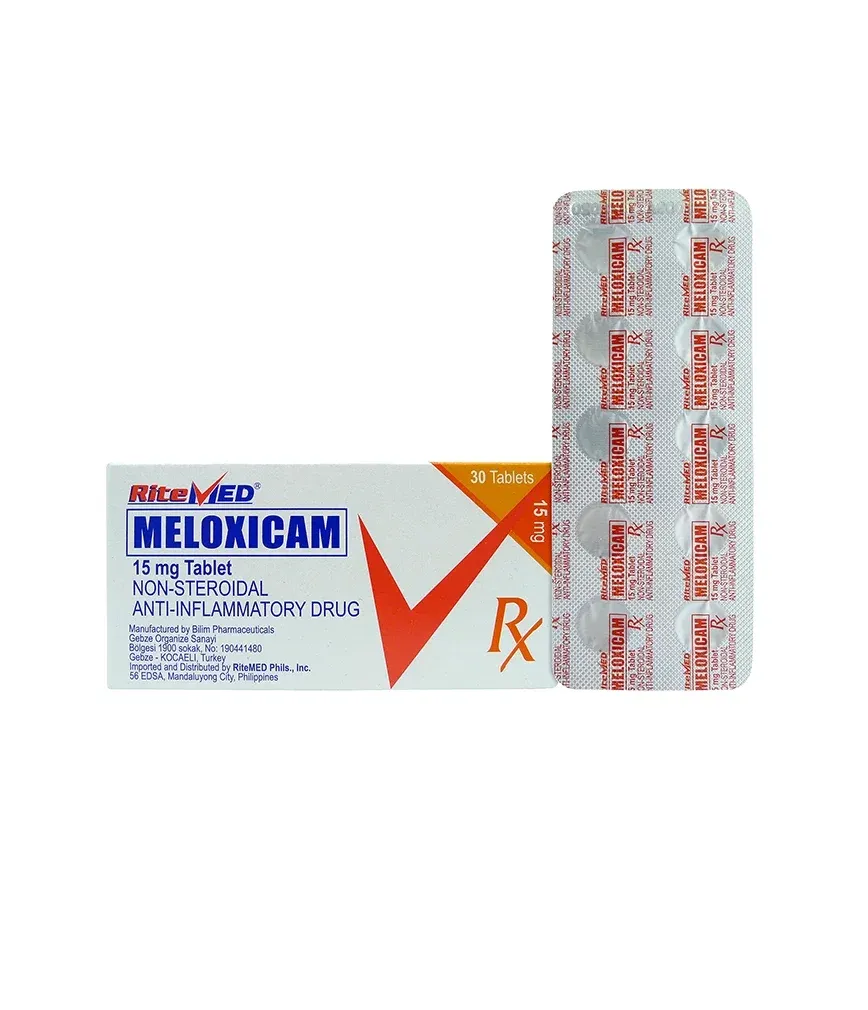
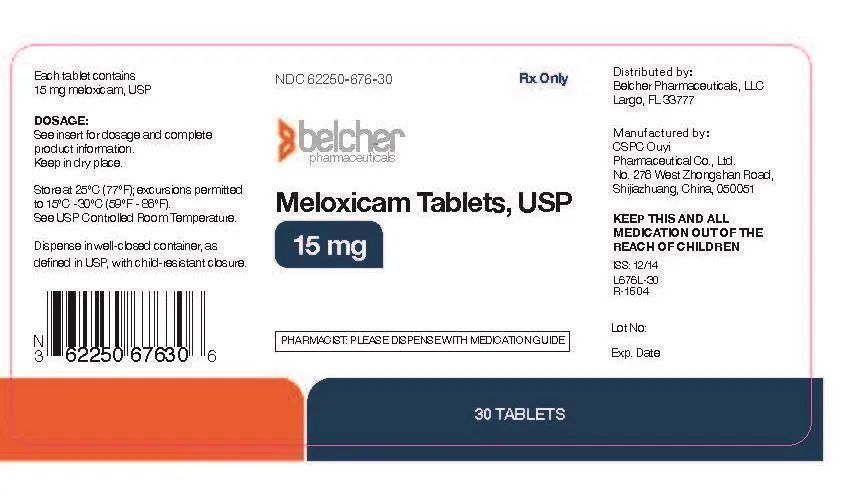
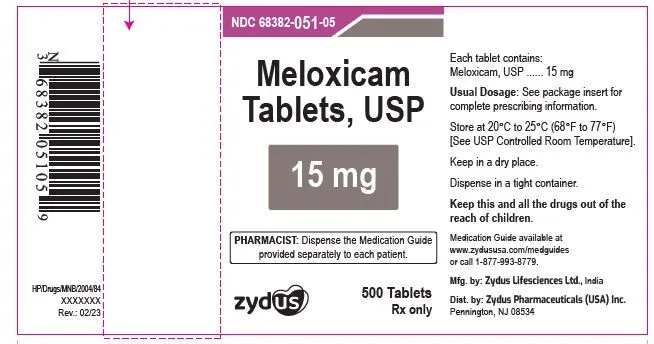

Comprehensive Overview of Meloxicam
Meloxicam is a nonsteroidal anti-inflammatory drug (NSAID) primarily utilized for the management of pain and inflammation associated with various rheumatic conditions. As a potent inhibitor of the cyclooxygenase (COX) enzyme system, it is frequently prescribed for osteoarthritis, rheumatoid arthritis, and juvenile idiopathic arthritis.
Unlike older, non-selective NSAIDs, meloxicam is often characterized as a "preferential" COX-2 inhibitor, which theoretically provides a more favorable gastrointestinal safety profile. However, it remains a powerful pharmaceutical agent requiring careful clinical oversight due to potential cardiovascular, renal, and gastrointestinal risks.
Mechanism of Action and Pharmacokinetics
Mechanism of Action
The therapeutic efficacy of meloxicam is rooted in its ability to inhibit prostaglandin synthesis. Prostaglandins are lipid compounds that act as mediators in the inflammatory response, pain signaling, and fever.
- COX Inhibition: Meloxicam inhibits the activity of cyclooxygenase-1 (COX-1) and cyclooxygenase-2 (COX-2) enzymes.
- Selectivity: At therapeutic doses, it exhibits a higher selectivity for COX-2, the enzyme responsible for inflammation, compared to COX-1, which is constitutive and responsible for protecting the gastric mucosa and maintaining platelet function.
- Result: By suppressing the conversion of arachidonic acid to prostaglandins, meloxicam effectively reduces inflammation, swelling, and pain.
Pharmacokinetics
Understanding how the body processes meloxicam is essential for clinical dosing strategies.
| Feature | Description |
|---|---|
| Bioavailability | High (approximately 89% after oral administration) |
| Protein Binding | Highly bound to plasma proteins (approx. 99% albumin) |
| Metabolism | Primarily hepatic via CYP2C9 and CYP3A4 enzymes |
| Half-life | Long (15 to 20 hours), allowing for once-daily dosing |
| Excretion | Metabolites are excreted equally in urine and feces |
Clinical Indications and Dosage Guidelines
Meloxicam is indicated for the relief of signs and symptoms of osteoarthritis (OA) and rheumatoid arthritis (RA). It is also approved for the treatment of pauciarticular or polyarticular course juvenile rheumatoid arthritis (JRA) in patients two years of age and older.
Standard Dosage Recommendations
| Condition | Recommended Daily Dose |
|---|---|
| Osteoarthritis (Adults) | 7.5 mg once daily; may increase to 15 mg if needed |
| Rheumatoid Arthritis (Adults) | 7.5 mg once daily; may increase to 15 mg if needed |
| Juvenile Rheumatoid Arthritis | 0.125 mg/kg once daily (max 7.5 mg) |
Clinical Note: The lowest effective dose should be used for the shortest duration consistent with individual patient treatment goals.
Risks, Side Effects, and Contraindications
Serious Warnings (Black Box Warnings)
All NSAIDs, including meloxicam, carry significant warnings regarding:
* Cardiovascular Risk: Increased risk of serious cardiovascular thrombotic events, including myocardial infarction and stroke, which can be fatal.
* Gastrointestinal Risk: Increased risk of serious gastrointestinal adverse events, including bleeding, ulceration, and perforation of the stomach or intestines.
Common Side Effects
- Gastrointestinal: Dyspepsia, nausea, diarrhea, abdominal pain, and flatulence.
- Respiratory: Upper respiratory tract infections, pharyngitis.
- Neurological: Dizziness, headache, or insomnia.
- Dermatological: Rash or pruritus.
Contraindications
Meloxicam should not be used in the following populations:
1. Patients with a known hypersensitivity to meloxicam or other NSAIDs (including aspirin).
2. Patients who have experienced asthma, urticaria, or allergic-type reactions after taking aspirin or other NSAIDs.
3. Use in the setting of coronary artery bypass graft (CABG) surgery.
4. Patients with severe renal or hepatic impairment.
Drug Interactions and Special Populations
Significant Drug Interactions
- ACE Inhibitors/Diuretics: May diminish the antihypertensive effect and increase the risk of renal impairment.
- Anticoagulants (e.g., Warfarin): Increases the risk of serious bleeding events.
- Lithium: May increase lithium plasma levels, leading to toxicity.
- Methotrexate: May increase the risk of methotrexate toxicity due to reduced renal clearance.
Pregnancy and Lactation
- Pregnancy: Use of NSAIDs at about 20 weeks gestation or later may cause rare but serious fetal renal dysfunction leading to oligohydramnios. Avoid NSAIDs starting at 30 weeks gestation due to the risk of premature closure of the ductus arteriosus.
- Lactation: It is not known whether meloxicam is excreted in human milk. Caution should be exercised when administered to a nursing woman.
Overdose Management
Symptoms of acute NSAID overdose are typically limited to lethargy, drowsiness, nausea, vomiting, and epigastric pain, which are generally reversible with supportive care. Gastrointestinal bleeding can occur.
Management Protocol:
1. Gastric Decontamination: Activated charcoal may be considered if the patient presents within 1-2 hours of ingestion.
2. Supportive Care: Maintain airway, breathing, and circulation.
3. Monitor: Assess renal and hepatic function. There is no specific antidote for meloxicam.
Frequently Asked Questions (FAQ)
1. How long does it take for Meloxicam to start working?
Patients often report initial relief within 1 to 2 hours of ingestion, though it may take several days of consistent dosing to achieve the full anti-inflammatory effect for chronic conditions like arthritis.
2. Should I take Meloxicam with food?
Yes, it is highly recommended to take meloxicam with food, milk, or a full glass of water to minimize the risk of gastrointestinal irritation.
3. Is Meloxicam the same as Ibuprofen?
Both are NSAIDs, but they differ in chemical structure and half-life. Meloxicam has a much longer half-life, allowing for once-daily dosing, whereas ibuprofen usually requires multiple doses throughout the day.
4. Can I drink alcohol while taking Meloxicam?
Consuming alcohol while taking meloxicam increases the risk of stomach bleeding and gastrointestinal irritation. It is advised to limit or avoid alcohol.
5. What should I do if I miss a dose?
Take the missed dose as soon as you remember. If it is almost time for your next scheduled dose, skip the missed dose and resume your regular schedule. Do not take two doses at once.
6. Can children take Meloxicam?
Meloxicam is approved for use in children two years and older for juvenile rheumatoid arthritis, but it must be dosed strictly based on weight by a pediatrician.
7. Does Meloxicam cause weight gain?
Weight gain is not a direct effect of the drug, but it can cause fluid retention (edema), which may lead to a temporary increase in scale weight.
8. Is Meloxicam addictive?
No, meloxicam is not a narcotic or an opioid. It does not possess the addictive properties associated with pain medications that act on the central nervous system.
9. Can I take Meloxicam with Tylenol (Acetaminophen)?
Yes, they work via different mechanisms. However, always consult your physician to ensure there are no contraindications specific to your health history.
10. Can Meloxicam affect my blood pressure?
Yes, NSAIDs like meloxicam can cause fluid retention and may interfere with the efficacy of blood pressure medications, potentially leading to increased blood pressure readings.
Conclusion
Meloxicam is a cornerstone treatment in the orthopedic and rheumatologic management of chronic inflammatory pain. While its once-daily dosing profile offers superior patient compliance, it is not without risk. Patients must prioritize communication with their healthcare providers regarding renal health, cardiovascular history, and gastrointestinal sensitivity. By adhering to the lowest effective dose and monitoring for potential side effects, patients can safely manage their symptoms and improve their overall quality of life.
Disclaimer: This guide is for educational purposes only and does not constitute professional medical advice, diagnosis, or treatment. Always seek the advice of your physician or other qualified health provider with any questions regarding a medical condition or medication.