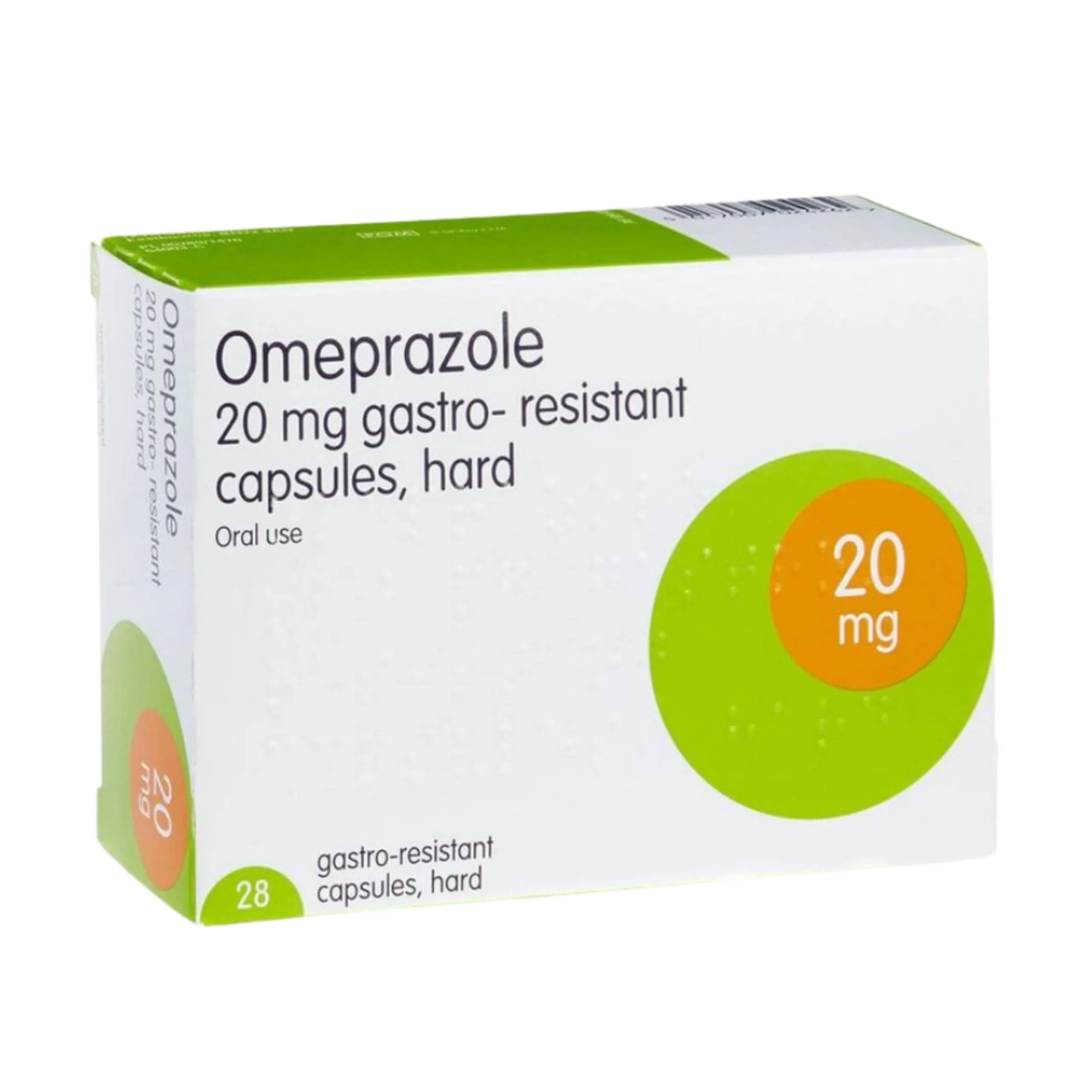

Understanding Omeprazole: A Comprehensive Clinical Overview
Omeprazole is a cornerstone medication in modern gastroenterology, classified as a Proton Pump Inhibitor (PPI). Since its introduction, it has revolutionized the management of acid-related disorders, providing profound and sustained suppression of gastric acid secretion. As an orthopedic specialist, I frequently encounter patients taking Omeprazole to mitigate the gastrointestinal side effects of long-term Non-Steroidal Anti-Inflammatory Drug (NSAID) therapy. This guide serves as an exhaustive resource for healthcare professionals and patients seeking to understand the pharmacodynamics, clinical application, and safety profile of this essential medication.
Mechanism of Action: How Omeprazole Works
Omeprazole is a substituted benzimidazole that acts as a potent inhibitor of the gastric H+/K+ ATPase enzyme system, commonly referred to as the "proton pump."
The Biochemical Pathway
- Prodrug Activation: Omeprazole is a prodrug. Upon oral administration, it passes through the stomach and is absorbed in the small intestine.
- Accumulation: It travels via the bloodstream to the parietal cells of the stomach lining.
- Acid-Catalyzed Activation: Within the acidic secretory canaliculi of the parietal cells, omeprazole is converted into its active form: a sulfonamide derivative.
- Enzyme Inhibition: This active metabolite binds covalently to the H+/K+ ATPase enzyme. By blocking this "pump," the final step of gastric acid production is irreversibly inhibited.
Because the inhibition is irreversible, the parietal cell must synthesize new H+/K+ ATPase molecules to resume acid secretion, which typically takes 24 to 48 hours. This explains why omeprazole provides 24-hour symptom relief with once-daily dosing.
Pharmacokinetics and Metabolism
Understanding the pharmacokinetic profile is essential for optimizing therapeutic outcomes.
| Parameter | Description |
|---|---|
| Bioavailability | Approximately 30-40% after a single dose; increases with repeated dosing. |
| Protein Binding | High, approximately 95% bound to plasma proteins. |
| Metabolism | Hepatic, primarily via the Cytochrome P450 system (CYP2C19 and CYP3A4). |
| Half-Life | Short, approximately 0.5 to 1 hour, despite long-lasting effects. |
| Excretion | Primarily renal (approx. 80%), with the remainder via feces. |
Detailed Clinical Indications
Omeprazole is indicated for a variety of conditions where acid suppression is clinically warranted.
1. Gastroesophageal Reflux Disease (GERD)
Used for the treatment of heartburn and other symptoms associated with GERD, as well as the healing of erosive esophagitis.
2. Peptic Ulcer Disease (PUD)
Used in the treatment and maintenance of duodenal and gastric ulcers. It is a critical component of "triple therapy" protocols used to eradicate Helicobacter pylori (alongside clarithromycin and amoxicillin/metronidazole).
3. Hypersecretory Conditions
Indicated for the long-term management of Zollinger-Ellison syndrome, a condition characterized by gastrin-producing tumors that cause excessive acid production.
4. NSAID-Associated Gastropathy
In orthopedic medicine, patients on chronic NSAID therapy for conditions like osteoarthritis or rheumatoid arthritis are at high risk for gastric ulcers. Omeprazole is the gold standard for prophylaxis in these patients.
Dosage Guidelines
Dosage varies significantly depending on the indication and patient-specific factors.
- GERD (Symptomatic): 20 mg once daily for 4–8 weeks.
- Erosive Esophagitis: 20 mg once daily for 4–8 weeks; maintenance dose 20 mg daily.
- H. pylori Eradication: 20–40 mg twice daily in combination with appropriate antibiotics.
- Zollinger-Ellison Syndrome: Starting dose is typically 60 mg daily, titrated upward based on clinical response (sometimes exceeding 120 mg/day).
Administration Note: Omeprazole should be taken at least 30 to 60 minutes before a meal, ideally before the first meal of the day, to ensure maximum pump inhibition when the pumps are most active.
Contraindications and Risks
While generally well-tolerated, Omeprazole is not without risks.
Contraindications
- Hypersensitivity: Known allergy to omeprazole or any component of the formulation.
- Concomitant Rilpivirine: Omeprazole significantly decreases the absorption of rilpivirine, potentially leading to HIV treatment failure.
Potential Risks and Side Effects
- Nutrient Malabsorption: Chronic acid suppression can interfere with the absorption of Vitamin B12, magnesium, iron, and calcium. Long-term use is associated with an increased risk of bone fractures (osteoporosis-related).
- Infection Risk: The decrease in gastric acidity may allow for the overgrowth of bacteria, increasing the risk of Clostridioides difficile-associated diarrhea and community-acquired pneumonia.
- Kidney Health: Rarely, long-term use is linked to acute interstitial nephritis.
Drug-Drug Interactions
Omeprazole is an inhibitor of CYP2C19. This can lead to increased serum concentrations of medications metabolized by this enzyme.
- Clopidogrel: Omeprazole may reduce the antiplatelet effect of clopidogrel. Alternatives like pantoprazole are often preferred for patients on dual antiplatelet therapy.
- Warfarin: Monitor INR closely, as omeprazole may delay the elimination of warfarin.
- Methotrexate: High-dose omeprazole may elevate methotrexate levels, increasing toxicity risks.
- Diazepam and Phenytoin: Serum concentrations may increase due to decreased hepatic clearance.
Pregnancy and Lactation
- Pregnancy: Category C. Animal studies show potential harm, but human data has not demonstrated significant teratogenicity. It should only be used if the potential benefit justifies the potential risk to the fetus.
- Lactation: Omeprazole is excreted in breast milk. While the amounts are generally considered small, consult with a pediatrician before use during breastfeeding.
Overdose Management
Overdose with omeprazole is rare and generally not associated with severe toxicity. Symptoms may include confusion, drowsiness, blurred vision, tachycardia, and nausea.
* Management: Treatment is supportive. Omeprazole is not removed by hemodialysis due to its high protein binding. Monitor vital signs and provide symptomatic care as needed.
Frequently Asked Questions (FAQ)
1. Is it safe to take Omeprazole long-term?
Long-term use should be under medical supervision. It is linked to bone density loss and nutrient deficiencies; therefore, clinicians should periodically assess the necessity of continued therapy.
2. Should I take Omeprazole with food?
No. Omeprazole is most effective when taken on an empty stomach, approximately 30–60 minutes before a meal.
3. Can I stop taking Omeprazole suddenly?
Sudden cessation after long-term use can cause "rebound acid hypersecretion," leading to worse heartburn than before. It is often recommended to taper the dose gradually.
4. Does Omeprazole interact with my pain medication?
It is often prescribed with NSAIDs (like ibuprofen or naproxen) to protect the stomach. However, it can interact with other drugs, so always provide a full medication list to your doctor.
5. Can children take Omeprazole?
Omeprazole is FDA-approved for use in children as young as one year old for the treatment of GERD, but dosing must be strictly calculated by weight.
6. Will Omeprazole cause weight gain?
No, Omeprazole is not known to cause weight gain. Any weight changes should be investigated for other underlying causes.
7. Why do I still have heartburn while taking it?
If symptoms persist, the dose may need adjustment, or the diagnosis may need to be re-evaluated. Other conditions, such as gastroparesis or bile reflux, may mimic GERD symptoms.
8. Does Omeprazole affect bone health?
Yes. Long-term, high-dose use is associated with a slightly increased risk of hip, wrist, and spine fractures, likely due to reduced calcium absorption.
9. Can I crush the capsule?
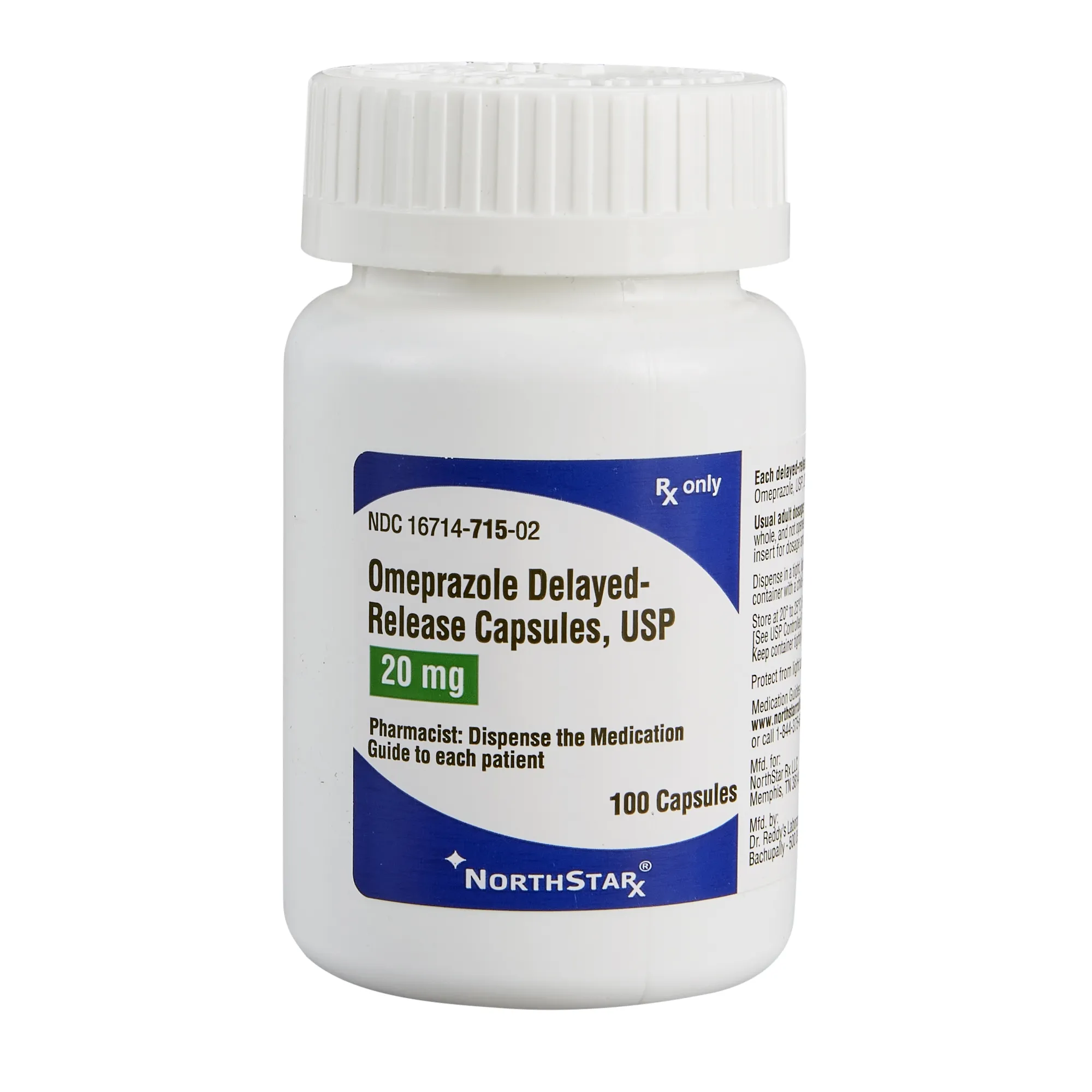
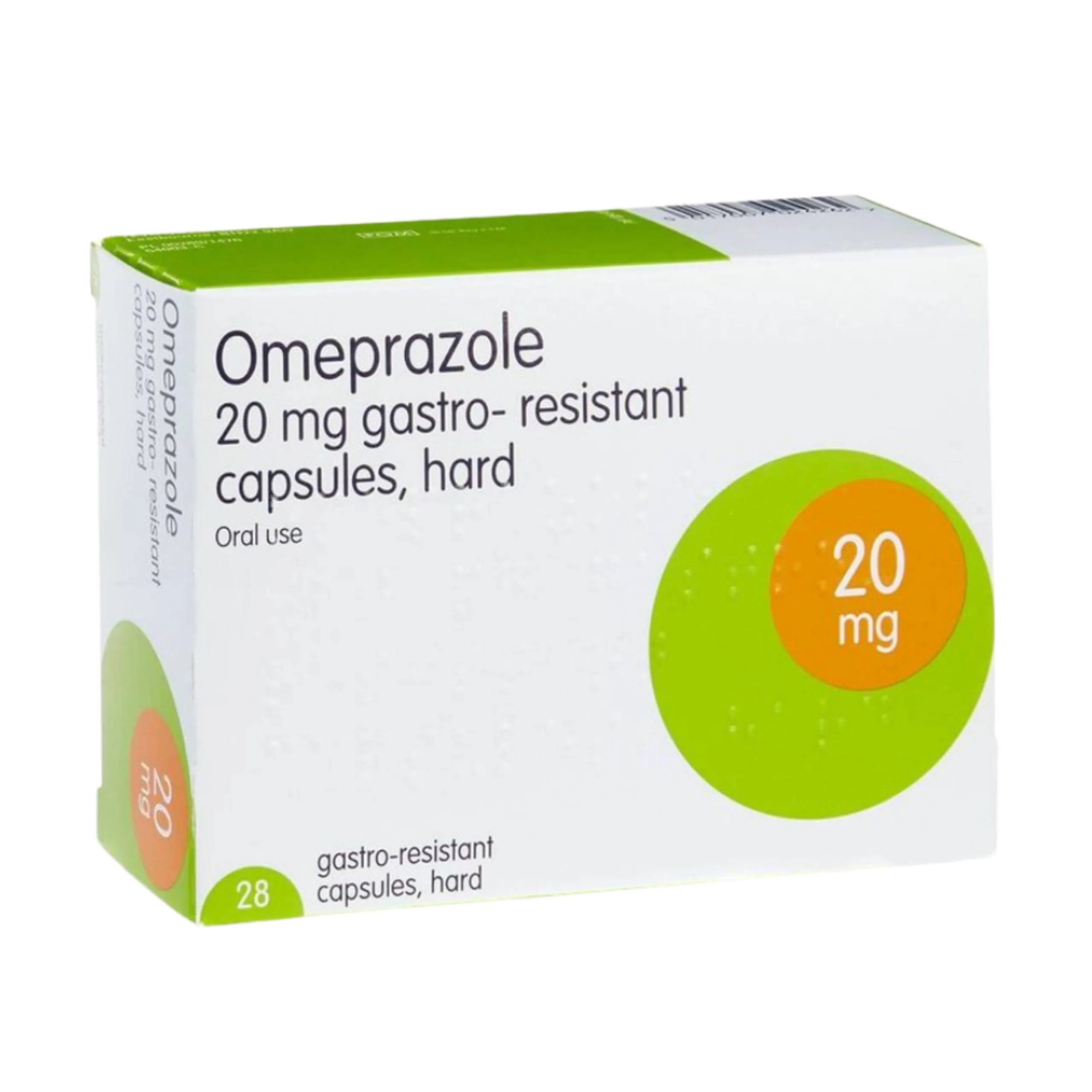
No. Omeprazole capsules contain enteric-coated granules. Crushing or chewing them destroys the coating, causing the medication to be degraded by stomach acid before it can be absorbed.
10. How quickly does Omeprazole work?
While it provides acid control within hours, it may take 1 to 4 days to achieve maximum therapeutic effect for symptom relief.
Disclaimer: This guide is for educational purposes only and does not constitute medical advice. Always consult with a licensed healthcare professional or orthopedic specialist before beginning or altering any medication regimen.