
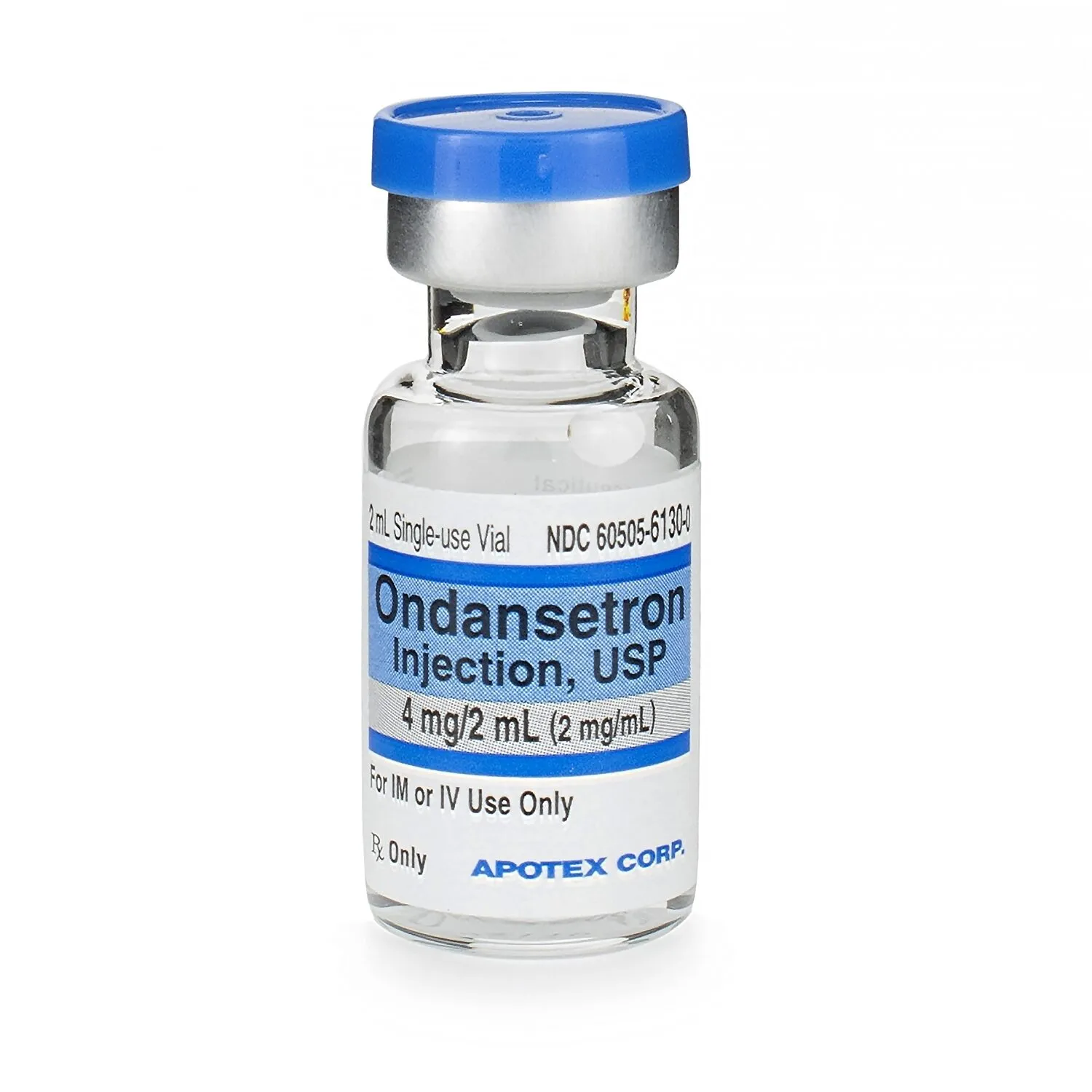
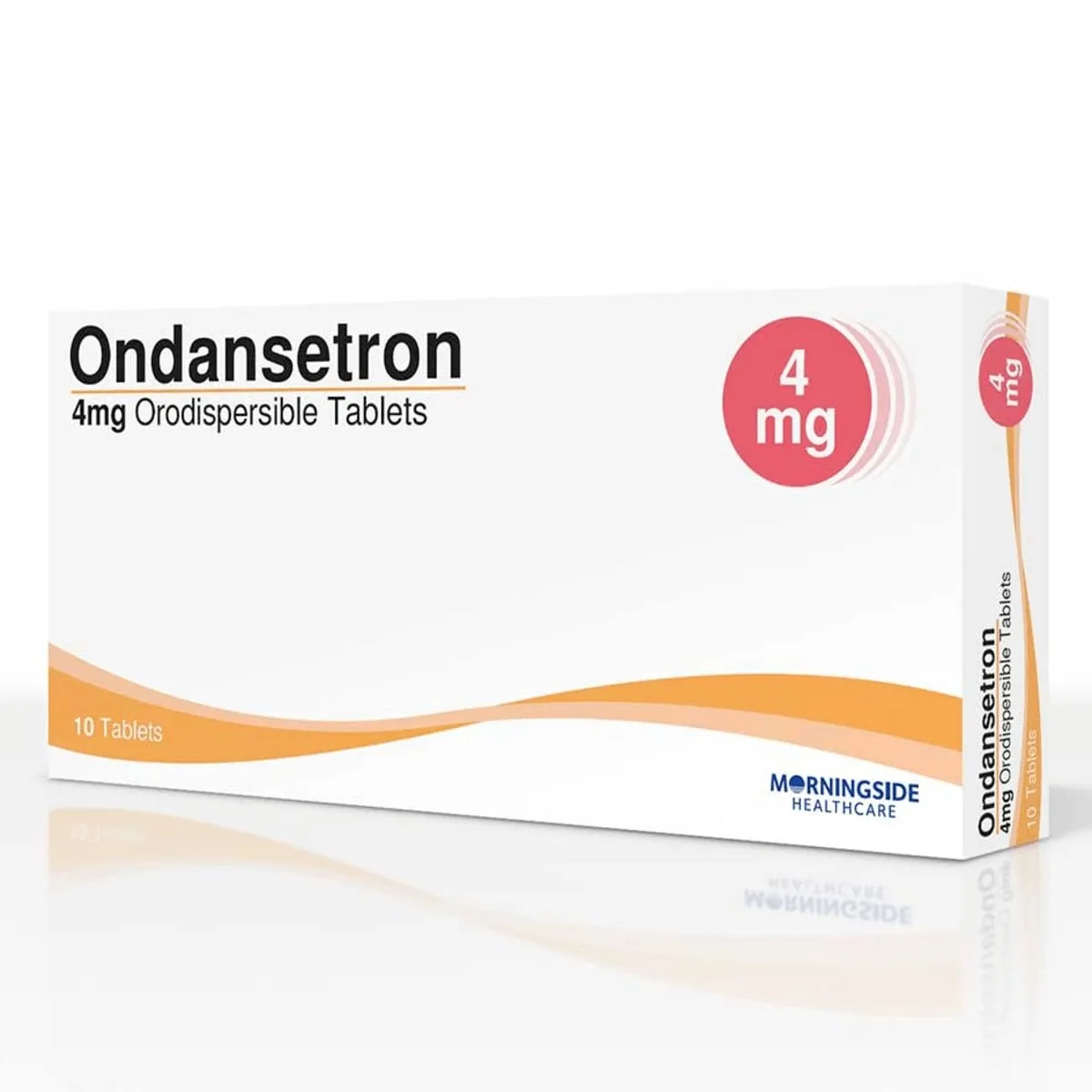

Comprehensive Guide to Ondansetron 4mg (PRN Nausea)
Ondansetron, widely recognized by the brand name Zofran, is a potent, highly selective 5-HT3 receptor antagonist. In the clinical setting, the 4mg dosage administered on a "pro re nata" (PRN) or "as needed" basis serves as a cornerstone therapy for the management of nausea and vomiting. While frequently utilized in oncology to mitigate chemotherapy-induced nausea and vomiting (CINV), its utility has expanded significantly within general medicine, post-operative recovery, and orthopedic care to manage patient comfort.
This guide provides an authoritative overview of Ondansetron 4mg, designed for clinical understanding and patient education.
Technical Specifications and Mechanism of Action
To understand the efficacy of Ondansetron, one must look at the neurochemical pathways governing the emetic reflex.
The 5-HT3 Receptor Antagonism
Nausea and vomiting are complex physiological responses often triggered by the release of serotonin (5-hydroxytryptamine or 5-HT) from the enterochromaffin cells of the small intestine. This release typically occurs in response to cytotoxic agents, surgical trauma, or radiation.
- Peripheral Pathway: Serotonin binds to 5-HT3 receptors on vagal afferent nerves, which transmit signals to the vomiting center in the medulla oblongata.
- Central Pathway: Ondansetron acts by selectively blocking these 5-HT3 receptors both peripherally on vagal nerve terminals and centrally in the chemoreceptor trigger zone (CTZ) of the area postrema.
By competitively inhibiting serotonin binding, Ondansetron effectively "shuts off" the primary signal pathway that triggers the emetic reflex, making it significantly more effective for acute nausea than older antiemetic classes like dopamine antagonists.
Pharmacokinetics
- Absorption: Ondansetron is well-absorbed from the gastrointestinal tract following oral administration, with a systemic bioavailability of approximately 60% due to first-pass metabolism.
- Distribution: It is approximately 70-76% protein-bound. The volume of distribution is roughly 1.9 L/kg.
- Metabolism: Hepatic metabolism via cytochrome P450 enzymes (specifically CYP1A2, CYP2D6, and CYP3A4).
- Elimination: The mean elimination half-life is approximately 3.5 to 5.5 hours. Excretion occurs primarily through hepatic metabolism followed by renal excretion of metabolites.
Clinical Indications and Dosage Guidelines
The 4mg dosage is the standard starting point for mild to moderate nausea.
Indications for Use
- Post-Operative Nausea and Vomiting (PONV): Essential for patients recovering from orthopedic surgeries involving general anesthesia.
- Chemotherapy-Induced Nausea and Vomiting (CINV): Used for prophylaxis or rescue therapy.
- Radiation-Induced Nausea and Vomiting (RINV): Highly effective in preventing nausea during radiotherapy.
- General Nausea (Off-label/PRN): Used in emergency departments or acute care settings for patients with gastroenteritis or medication-induced nausea.
Recommended Dosage Table
| Population | Indication | Recommended Dosage |
|---|---|---|
| Adult | PONV / General Nausea | 4mg to 8mg PO/IV every 8 hours PRN |
| Pediatric (>4 years) | CINV / Post-op | 0.15 mg/kg (up to 4mg) |
| Hepatic Impairment | Severe | Max dose 8mg/day |
Note: Always consult institutional protocols. For PRN use, ensure the patient has not exceeded the maximum daily cumulative dose.
Risks, Side Effects, and Contraindications
While Ondansetron is generally well-tolerated, clinicians must exercise caution, particularly regarding cardiac electrophysiology.
Common Adverse Effects
- Headache: The most frequently reported side effect.
- Constipation: Due to the slowing of gastrointestinal motility.
- Fatigue/Malaise: Common in the first few hours post-administration.
- Dizziness: Specifically if administered via rapid IV push.
Serious Risks and Contraindications
- QT Interval Prolongation: Ondansetron is known to cause dose-dependent prolongation of the QT interval, which can lead to Torsades de Pointes. Caution is required in patients with pre-existing cardiac arrhythmias or electrolyte imbalances (hypokalemia, hypomagnesemia).
- Hypersensitivity: Contraindicated in patients with known hypersensitivity to the drug or other 5-HT3 receptor antagonists.
- Serotonin Syndrome: When used in combination with SSRIs, SNRIs, or MAO inhibitors, there is a theoretical risk of serotonin syndrome, characterized by agitation, tachycardia, and neuromuscular rigidity.
Pregnancy and Lactation Warnings
- Pregnancy: Ondansetron is classified under category B. While animal studies have not demonstrated harm, human data is mixed. It should only be used during pregnancy when the potential benefit outweighs the risk to the fetus, particularly in the first trimester.
- Lactation: It is not known whether Ondansetron is excreted in human milk. Caution should be exercised when administered to a nursing mother.
Overdose Management
Clinical signs of overdose include visual disturbances, severe constipation, hypotension, and vasovagal episodes.
* Management: There is no specific antidote for Ondansetron. Management is purely supportive and symptomatic.
* Protocol: Monitor ECG for QT interval changes and maintain hydration. Gastric lavage may be considered if ingestion is recent.
Frequently Asked Questions (FAQ)
1. How quickly does Ondansetron 4mg take to work?
Oral tablets typically begin working within 30 to 60 minutes. Orally disintegrating tablets (ODT) may offer slightly faster absorption through the buccal mucosa.
2. Can I take Ondansetron with food?
Yes, Ondansetron can be taken with or without food. It does not significantly alter the bioavailability of the drug.
3. Is Ondansetron a sedative?
No, Ondansetron is not a sedative. However, some patients report feeling tired or "foggy" as a side effect.
4. What should I do if I miss a dose?
If taking on a PRN basis, simply take the next dose when nausea recurs, provided it has been at least 8 hours since the last dose. Do not "double up" to make up for a missed dose.
5. Does it interact with pain medications?
Ondansetron is frequently co-administered with opioids. While it does not inhibit pain relief, it helps counteract the nausea often caused by opioid analgesics.
6. Can children take 4mg?
The 4mg dose is generally considered safe for children over 4 years of age, but weight-based dosing (0.15 mg/kg) is preferred to ensure safety.
7. Why does my doctor care about my heart rhythm?
Ondansetron can affect the electrical conduction of the heart (QT interval). Patients with a history of heart disease or those taking other QT-prolonging drugs require monitoring.
8. Is this medication habit-forming?
No. Ondansetron does not have addictive potential and is not a controlled substance.
9. What is the difference between PO and ODT?
PO (oral) tablets are swallowed with water. ODT (orally disintegrating) tablets are placed on the tongue and dissolve instantly. ODT is preferred for patients who are currently vomiting and cannot keep water down.
10. When should I stop taking it?
Stop taking Ondansetron as soon as the nausea subsides. It is not intended for long-term daily use unless specified by a physician for chronic condition management.
Clinical Conclusion
Ondansetron 4mg remains the gold standard for PRN nausea management due to its targeted mechanism of action and favorable safety profile. However, clinicians must remain vigilant regarding cardiac risk factors and potential drug-drug interactions. By adhering to standardized dosing protocols and considering individual patient history, healthcare providers can effectively manage emetic symptoms, significantly improving patient outcomes and comfort during recovery.
Disclaimer: This guide is for educational purposes only and does not constitute medical advice. Always consult with a licensed healthcare professional before initiating or modifying a medication regimen.