

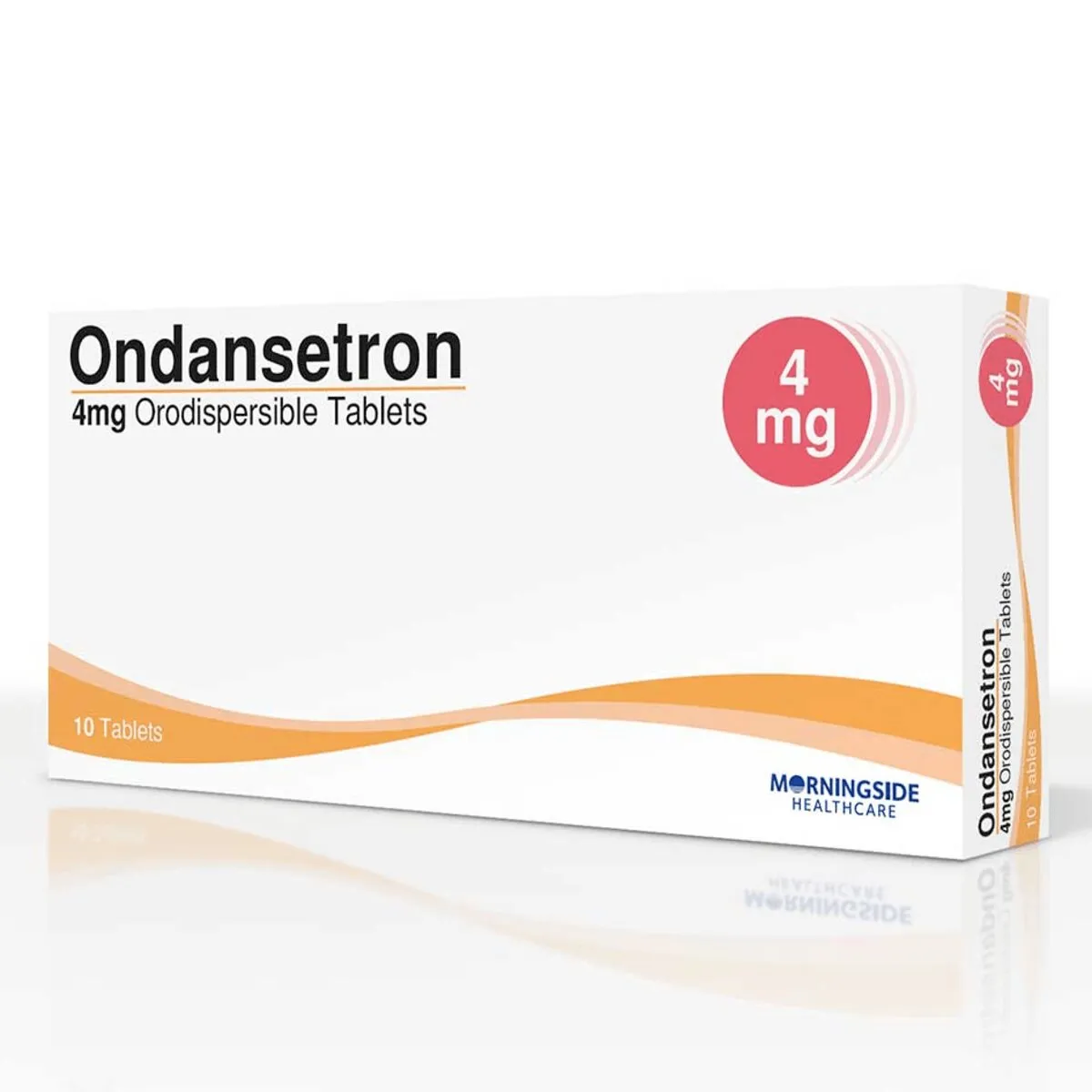

Comprehensive Overview of Ondansetron (Zofran)
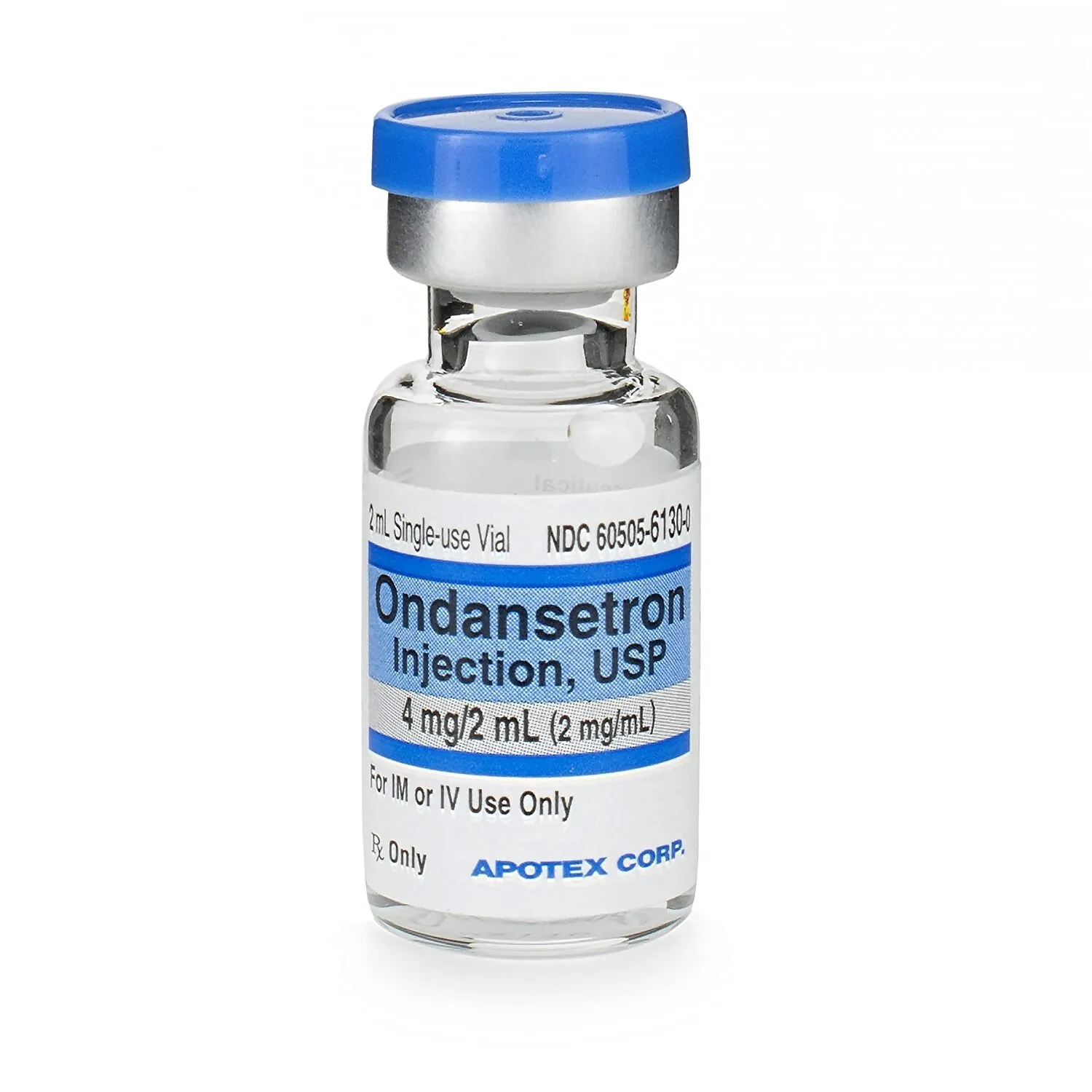
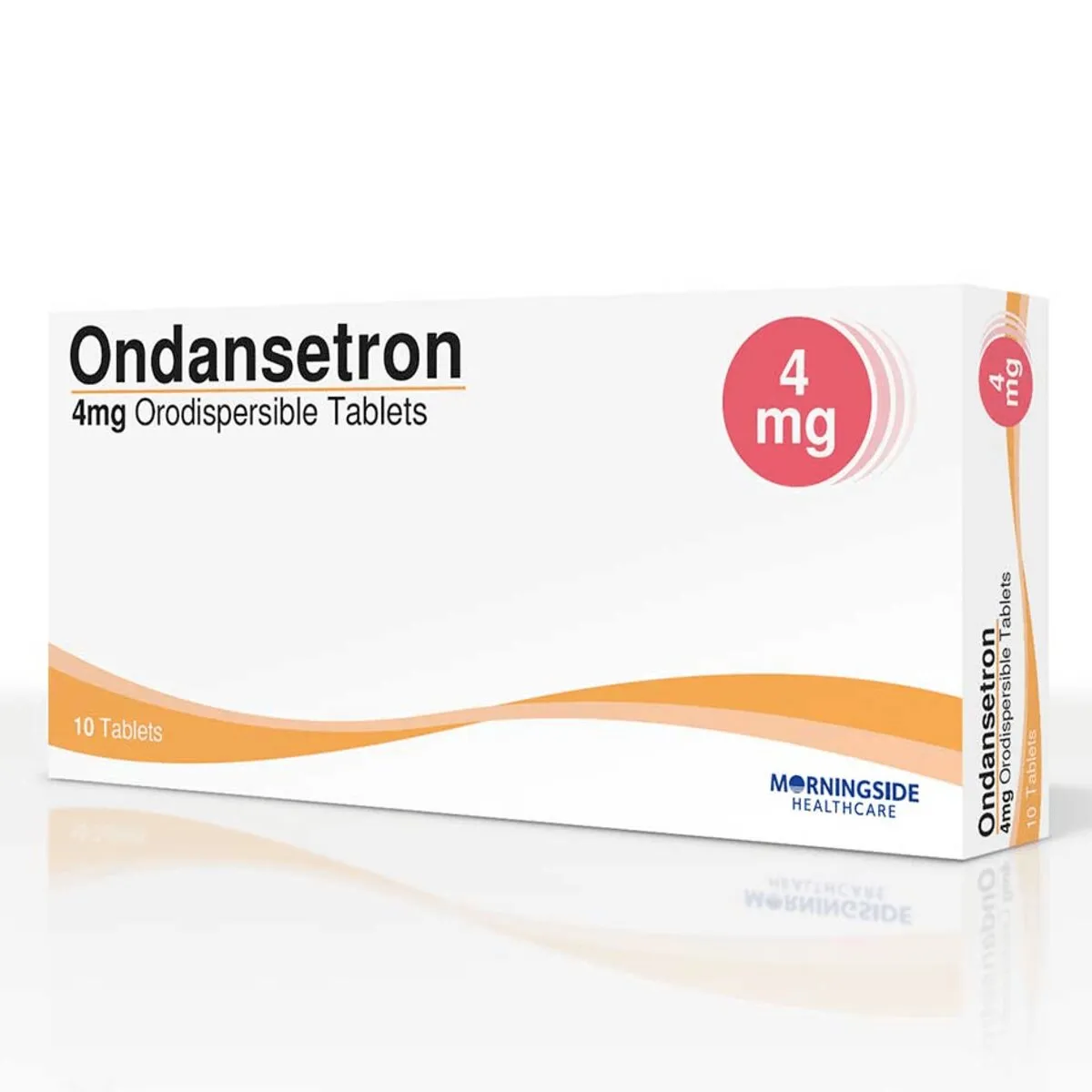
Ondansetron, widely recognized by its brand name Zofran, represents a cornerstone in modern pharmacology for the management of nausea and vomiting. As a potent, highly selective 5-HT3 receptor antagonist, it has revolutionized supportive care, particularly in oncology and post-operative recovery settings. By effectively blocking the action of serotonin—a chemical in the body that triggers nausea and vomiting—Ondansetron has become the gold standard for preventing chemotherapy-induced nausea and vomiting (CINV), radiation-induced nausea and vomiting (RINV), and post-operative nausea and vomiting (PONV).
This guide provides an exhaustive clinical overview of Ondansetron, intended for healthcare professionals and patients seeking a deeper understanding of its pharmacodynamics, therapeutic applications, and safety profile.
Technical Specifications and Mechanism of Action
Pharmacodynamics
Ondansetron functions as a selective antagonist at the 5-hydroxytryptamine type 3 (5-HT3) receptor. Serotonin is released by the enterochromaffin cells of the small intestine in response to chemotherapeutic agents or surgical stress. This released serotonin stimulates vagal afferent nerves through 5-HT3 receptors, which then trigger the vomiting reflex in the area postrema of the brain.
By competitively antagonizing these receptors both peripherally (on the vagal nerve terminals) and centrally (in the chemoreceptor trigger zone), Ondansetron effectively interrupts the emetogenic signaling pathway.
Pharmacokinetics
Understanding how the body processes Ondansetron is vital for optimizing therapeutic outcomes:
| Parameter | Clinical Details |
|---|---|
| Bioavailability | Approximately 60% due to first-pass metabolism. |
| Metabolism | Hepatic cytochrome P450 enzymes (CYP1A2, CYP2D6, CYP3A4). |
| Half-life | 3 to 6 hours in healthy adults; longer in patients with hepatic impairment. |
| Excretion | Primarily via urine (as metabolites) and feces. |
| Protein Binding | 70% to 76%. |
Clinical Indications and Usage
Ondansetron is indicated for the prevention and treatment of emesis in several high-risk clinical scenarios.
1. Chemotherapy-Induced Nausea and Vomiting (CINV)
It is highly effective for both moderately and highly emetogenic chemotherapy regimens. It is often administered as a prophylactic dose prior to the initiation of chemotherapy.
2. Post-Operative Nausea and Vomiting (PONV)
Ondansetron is frequently utilized in the perioperative period to reduce the incidence of PONV, which is a common complication of general anesthesia and surgical manipulation.
3. Radiation-Induced Nausea and Vomiting (RINV)
For patients undergoing total body irradiation or localized radiation to the abdomen, Ondansetron serves as an essential prophylactic measure to maintain patient comfort and adherence to treatment protocols.
4. Off-Label Usage
While primarily FDA-approved for the indications above, clinicians occasionally prescribe Ondansetron off-label for:
* Viral gastroenteritis (in pediatric populations, though clinical guidelines vary).
* Morning sickness (Hyperemesis gravidarum), though safety profiles are strictly monitored.
Dosage Guidelines
Dosage must be individualized based on the patient's age, renal/hepatic function, and the emetogenic potential of the stimulus.
| Patient Population | Indication | Typical Dosage |
|---|---|---|
| Adults | CINV (Highly Emetogenic) | 24 mg PO (single dose) or 8 mg IV/PO every 8-12h |
| Adults | PONV | 4 mg IV or 16 mg PO (pre-op) |
| Pediatric (4-11y) | CINV | 4 mg PO 30 mins before chemo, then q8h |
| Hepatic Impairment | All | Max 8 mg daily in severe impairment |
Note: Always consult the latest clinical prescribing information, as IV administration requires slow infusion to prevent cardiac side effects.
Risks, Side Effects, and Contraindications
Contraindications
- Hypersensitivity: Known allergy to Ondansetron or other 5-HT3 receptor antagonists.
- Apomorphine: Concurrent use is strictly contraindicated due to the risk of profound hypotension and loss of consciousness.
- Congenital Long QT Syndrome: Patients with known QT prolongation should exercise extreme caution.
Adverse Reactions
While generally well-tolerated, potential side effects include:
* Common: Headache, fatigue, malaise, and constipation.
* Serious (Rare): QT interval prolongation, Torsades de Pointes, serotonin syndrome (when combined with SSRIs/SNRIs), and anaphylaxis.
Drug Interactions
Clinicians must be vigilant regarding the following interactions:
1. CYP450 Inducers: Drugs like Rifampin or Phenytoin can decrease Ondansetron plasma concentrations, potentially reducing efficacy.
2. QT-Prolonging Agents: Concurrent use with drugs like Amiodarone, Haloperidol, or certain antibiotics (e.g., Fluoroquinolones) increases the risk of cardiac arrhythmias.
3. Serotonergic Agents: SSRIs, SNRIs, and MAOIs may increase the risk of Serotonin Syndrome.
Pregnancy and Lactation Warnings
- Pregnancy (Category B): Animal studies have shown no evidence of impaired fertility or harm to the fetus. However, human data is limited. Use only if clearly needed and under the direction of an obstetrician.
- Lactation: It is unknown if Ondansetron is excreted in human milk. Caution is advised when administering to breastfeeding mothers.
Overdose Management
There is no specific antidote for Ondansetron overdose. In cases of suspected overdose, the patient should be managed with supportive care. Monitoring of the ECG is mandatory due to the risk of QT prolongation. Gastric lavage or activated charcoal may be considered if ingestion was recent.
Frequently Asked Questions (FAQ)
1. Does Ondansetron cause drowsiness?
While sedation is not a primary effect, some patients report mild fatigue or drowsiness. It is significantly less sedating than older anti-nausea medications like promethazine.
2. How quickly does Ondansetron work?
Oral tablets typically reach peak concentration within 1.5 to 2 hours. IV administration provides a nearly immediate onset of action.
3. Can I take Ondansetron with food?
Yes, Ondansetron can be taken with or without food.
4. Is Ondansetron safe for children?
It is approved for pediatric use in specific oncology and post-operative settings, but dosage must be strictly calculated based on body weight or age under medical supervision.
5. Why is there a warning about heart rhythms?
Ondansetron can cause a dose-dependent prolongation of the QT interval, which can lead to life-threatening arrhythmias in predisposed individuals.
6. What should I do if I miss a dose?
If you are on a scheduled regimen, take the missed dose as soon as you remember. If it is nearly time for the next dose, skip the missed one. Do not double the dose.
7. Can Ondansetron be used for motion sickness?
Evidence suggests that 5-HT3 antagonists are generally ineffective for motion sickness, which is primarily mediated by vestibular pathways rather than serotonin.
8. Does it interact with alcohol?
While there is no direct contraindication, alcohol can worsen nausea and potentially mask symptoms or increase sedation, and is generally discouraged during treatment.
9. Can I take it if I have liver disease?
Patients with severe hepatic impairment require a reduced dosage (not exceeding 8 mg per day) because the liver is the primary site of drug metabolism.
10. Is Ondansetron a narcotic?
No, Ondansetron is not a narcotic. It has no potential for abuse or physical dependence.
Disclaimer: This guide is for educational purposes only and does not constitute medical advice. Always consult with a licensed healthcare professional or pharmacist regarding medication, dosage, and potential interactions.