

Comprehensive Guide to Ostenil Plus: Advanced Viscosupplementation
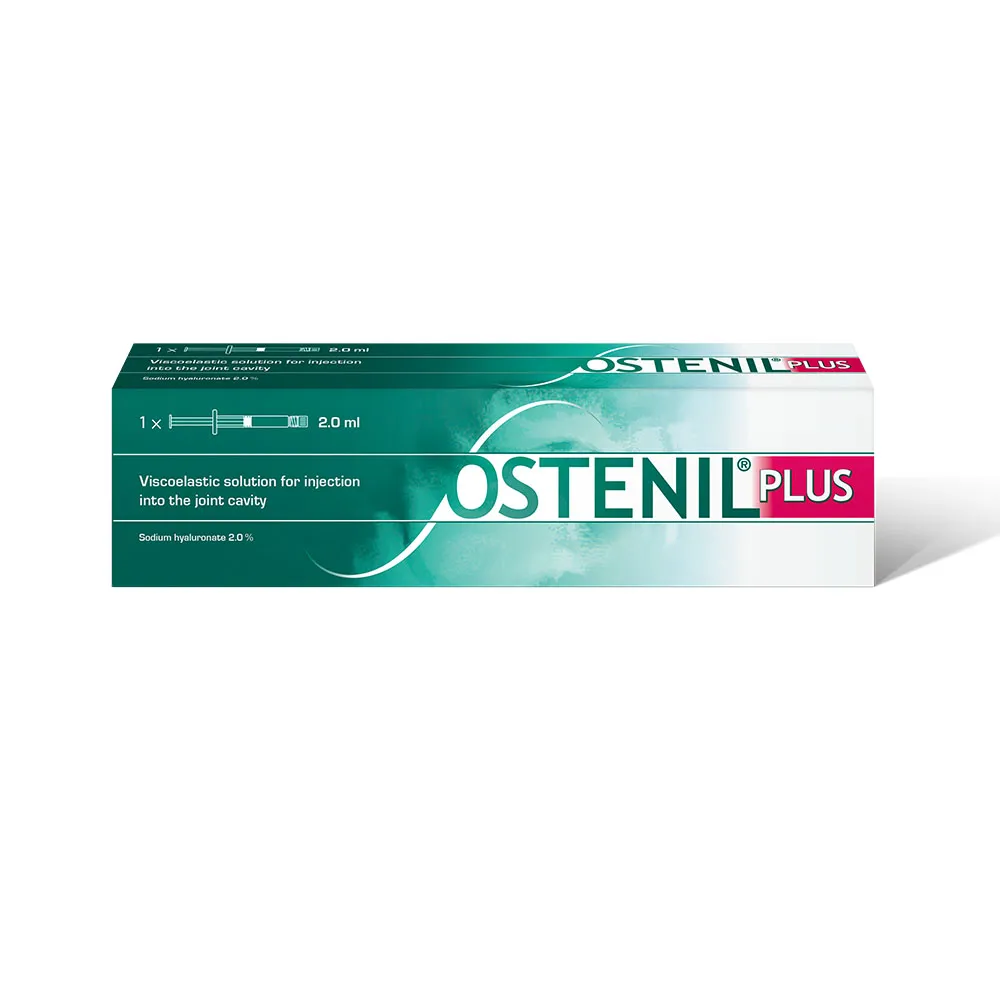
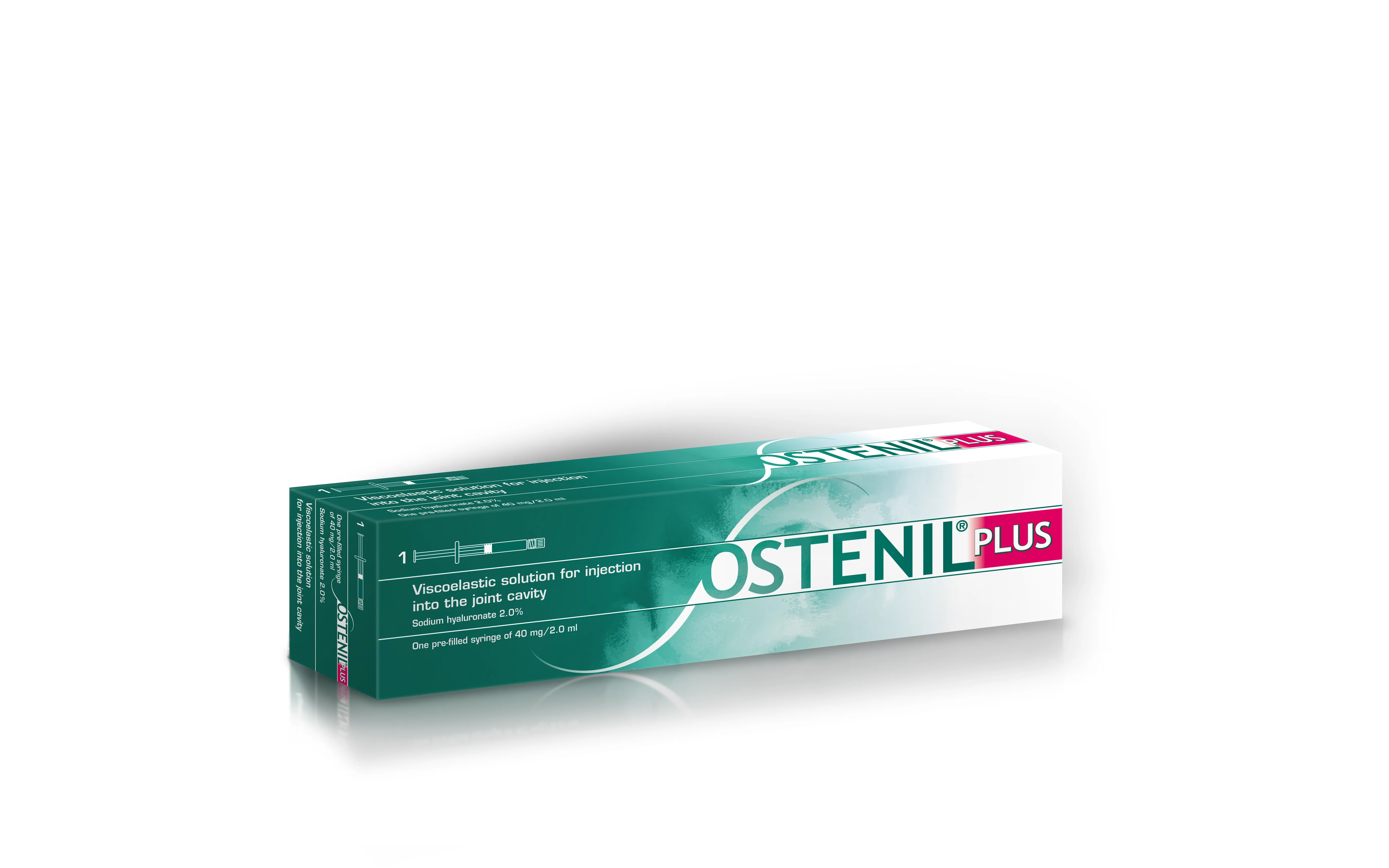
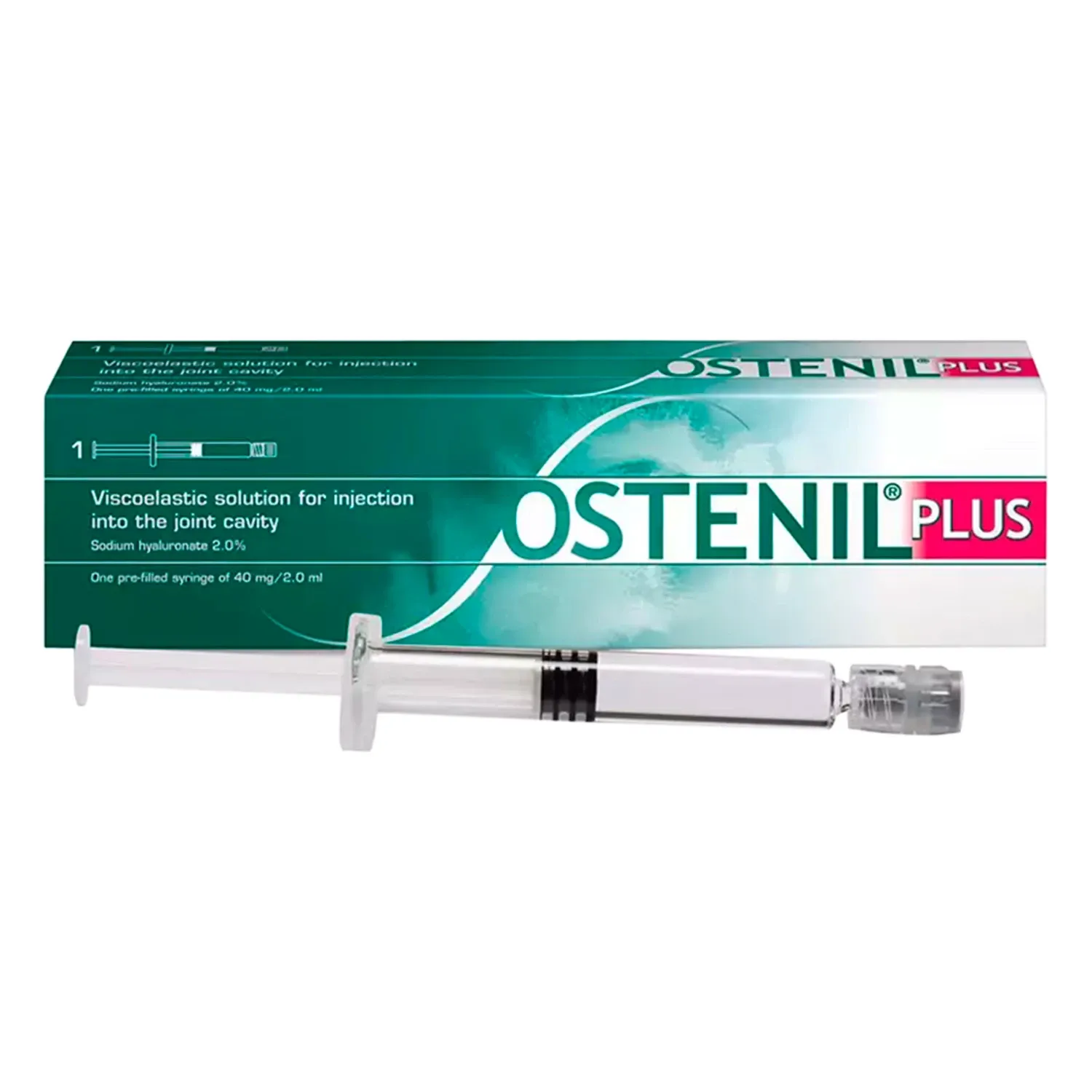
Osteoarthritis (OA) remains one of the most prevalent chronic conditions affecting the musculoskeletal system globally. As articular cartilage degrades, the synovial fluid—the viscous substance responsible for lubrication and shock absorption within the joint—loses its viscoelastic properties. Ostenil Plus is a high-molecular-weight sodium hyaluronate solution designed to restore these properties, providing symptomatic relief for patients suffering from degenerative joint changes.
This guide provides an exhaustive clinical overview of Ostenil Plus, intended for healthcare professionals and patients seeking a deep understanding of its pharmacological profile and therapeutic application.
Technical Specifications and Mechanism of Action
Ostenil Plus is a sterile, viscoelastic, isotonic, and pyrogen-free solution of sodium hyaluronate. Unlike standard hyaluronan injections, Ostenil Plus is formulated with a higher concentration of hyaluronic acid (20 mg/mL) and is typically administered as a single-injection therapy, though it can be adapted based on clinical judgment.
The Science of Viscosupplementation
The therapeutic efficacy of Ostenil Plus is predicated on the biological properties of hyaluronic acid (HA). In a healthy joint, HA acts as:
* Lubricant: It reduces friction between articular surfaces during movement.
* Shock Absorber: It acts as a viscoelastic cushion during weight-bearing activities.
* Filtration Barrier: It regulates the flow of nutrients and inflammatory mediators into the synovium.
Mechanism of Action
When injected into the intra-articular space, Ostenil Plus exerts its effects through three primary pathways:
1. Mechanical Restoration: It immediately increases the viscosity of the synovial fluid, restoring its natural rheological properties.
2. Anti-inflammatory Modulation: It interacts with CD44 receptors on synoviocytes, inhibiting the production of pro-inflammatory cytokines such as IL-1β and TNF-α.
3. Chondroprotection: By stimulating the endogenous synthesis of high-molecular-weight HA by synoviocytes, it creates a protective barrier over the cartilage matrix, potentially slowing the rate of structural degradation.
Clinical Indications and Usage
Ostenil Plus is indicated primarily for the treatment of pain and restricted mobility resulting from degenerative or traumatic changes in the knee joint and other synovial joints (such as the hip, ankle, or shoulder).
Targeted Patient Populations
- Osteoarthritis Patients: Ideal for patients with mild to moderate knee OA (Kellgren-Lawrence grades I-III).
- Failed Conservative Therapy: Patients who have not responded adequately to physical therapy, weight loss, or oral analgesics (NSAIDs).
- Activity-Limited Individuals: Patients seeking to regain mobility for daily living or low-impact recreational activities.
Dosage and Administration Guidelines
Ostenil Plus is intended for intra-articular administration only. It must be injected by a qualified medical professional under strict aseptic conditions.
| Parameter | Guideline |
|---|---|
| Administration Route | Intra-articular (Intrasynovial) |
| Standard Dosage | 1 syringe (approx. 2.0 mL) per joint |
| Frequency | Usually a single injection; may be repeated based on clinical need |
| Preparation | Clean site thoroughly; ensure joint effusion is aspirated if present |
Note: If significant joint effusion is present, it is standard clinical practice to aspirate the fluid prior to the injection of Ostenil Plus to ensure the medication is not diluted.
Risks, Side Effects, and Contraindications
While Ostenil Plus is generally well-tolerated due to its biocompatibility, clinicians must remain vigilant regarding potential adverse events.
Contraindications
The use of Ostenil Plus is strictly contraindicated in the following scenarios:
* Known Hypersensitivity: Patients with a documented allergy to sodium hyaluronate or avian-derived proteins (if applicable to the specific batch/formulation).
* Active Infection: Presence of an infection or skin disease in the area of the injection site.
* Septic Arthritis: Intra-articular injection into a joint with active infection can cause systemic complications.
Potential Side Effects
Most side effects are localized and transient, typically resolving within 24–48 hours:
* Injection Site Reactions: Mild pain, swelling, warmth, or redness.
* Effusion: A temporary increase in joint swelling immediately post-injection.
* Pseudogout: Rare cases of acute inflammatory response post-injection.
Pregnancy and Lactation
Data regarding the use of Ostenil Plus in pregnant or breastfeeding women is limited. As a precautionary measure, it is generally advised to avoid administration unless the potential benefit outweighs the risk to the fetus or infant.
Drug Interactions and Overdose Management
Drug Interactions
There are no known significant drug-drug interactions between Ostenil Plus and systemic medications. However, clinicians should avoid concurrent injection of other intra-articular agents (e.g., corticosteroids or local anesthetics) in the same syringe to prevent potential chemical incompatibility.
Overdose Management
Due to the localized nature of the injection and the biological half-life of hyaluronic acid, systemic overdose is virtually impossible. In the event of an intra-articular "overdose" (i.e., injecting too much volume), the patient may experience increased joint pressure and discomfort. This is managed by:
1. Rest: Reducing load on the affected joint for 24 hours.
2. Aspiration: If pain is severe due to volume, a physician may aspirate the excess fluid.
3. Cold Compress: Applying ice to the site to manage swelling.
Frequently Asked Questions (FAQ)
1. How long does the effect of Ostenil Plus last?
The duration of relief varies by patient, but most clinical studies suggest that the therapeutic effect of a single injection of Ostenil Plus lasts between 6 to 12 months.
2. Is Ostenil Plus a cure for arthritis?
No. Ostenil Plus is a palliative treatment designed to manage symptoms. It does not reverse the underlying structural damage of osteoarthritis.
3. Does the injection hurt?
Most patients report mild discomfort similar to a standard blood draw. Topical anesthesia or cooling sprays can be used to minimize sensation at the injection site.
4. Can I walk immediately after the injection?
Yes, you can walk, but it is recommended to avoid strenuous physical activity, such as running or heavy lifting, for 24 to 48 hours post-injection.
5. What if I am allergic to eggs?
Ostenil Plus is produced via bio-fermentation and is generally considered safe for those with avian or egg allergies. Always consult your physician to review the specific product leaflet.
6. Can Ostenil Plus be used in joints other than the knee?
Yes, while most commonly used for the knee, it is frequently used off-label or within clinical protocols for the hip, ankle, shoulder, and thumb carpometacarpal joints.
7. How many injections are needed?
Ostenil Plus is specifically formulated for a "single-shot" therapeutic approach, though your physician may recommend a repeat injection after six months depending on your symptom progression.
8. Will my insurance cover this?
Coverage varies significantly by country and insurance provider. Patients are advised to contact their provider with the specific CPT/billing codes provided by their orthopedic clinic.
9. What should I do if I experience severe swelling?
If you experience intense redness, severe pain, or fever following the injection, contact your physician immediately, as these may be signs of an infection.
10. Can I take NSAIDs while on Ostenil Plus?
Yes, you may continue to take prescribed anti-inflammatory medications, but many patients find they can reduce their dosage after receiving Ostenil Plus.
Conclusion
Ostenil Plus represents a sophisticated, evidence-based approach to the management of joint pain. By restoring the natural viscoelasticity of the synovial fluid, it provides a safe, effective, and minimally invasive option for patients looking to improve their quality of life. As with any medical procedure, the success of the treatment depends on accurate diagnosis, appropriate patient selection, and precise administration by a skilled practitioner.
Disclaimer: This guide is for educational purposes only and does not constitute medical advice. Always consult with a licensed orthopedic specialist or rheumatologist regarding your specific condition and treatment plan.