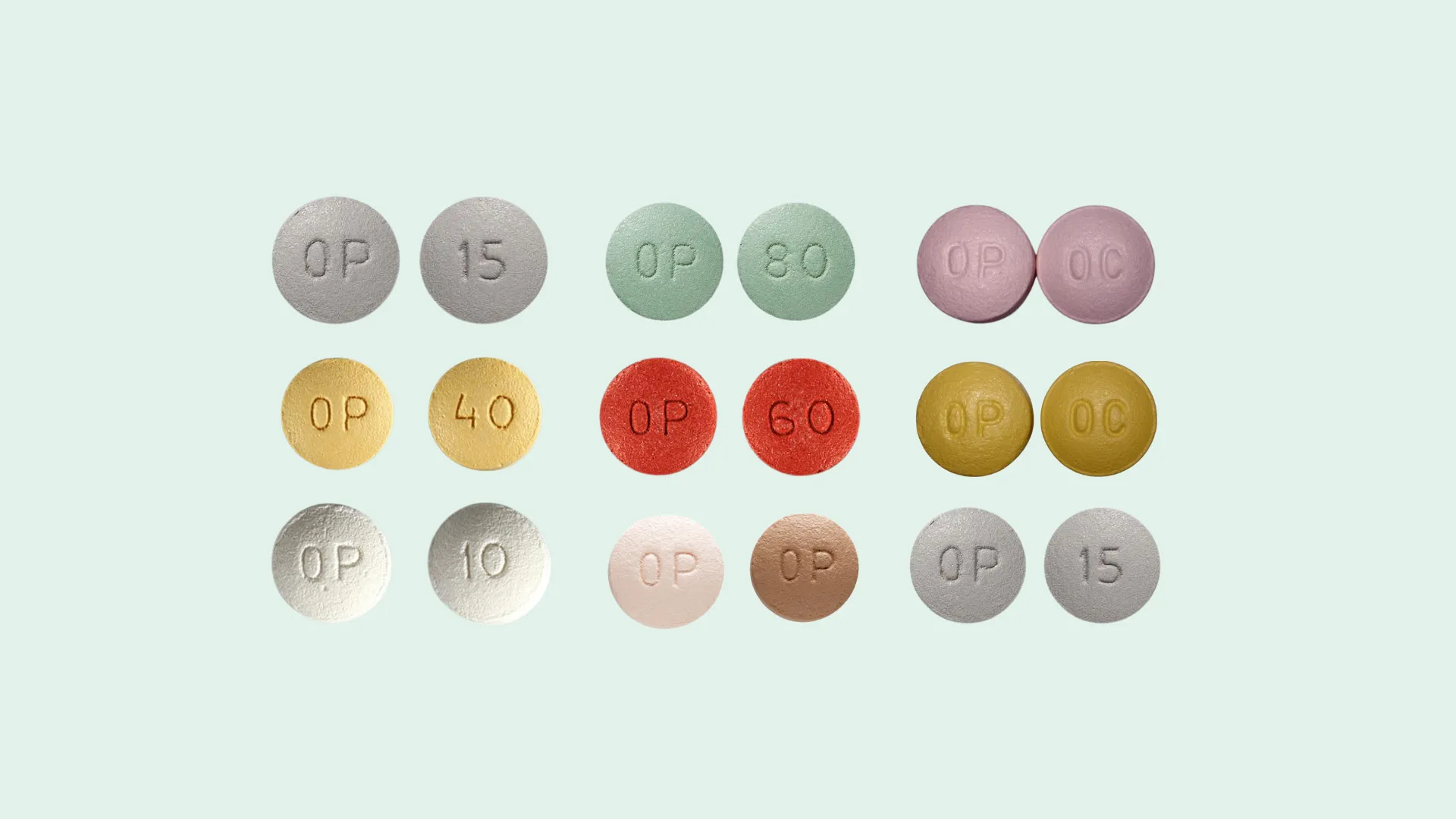
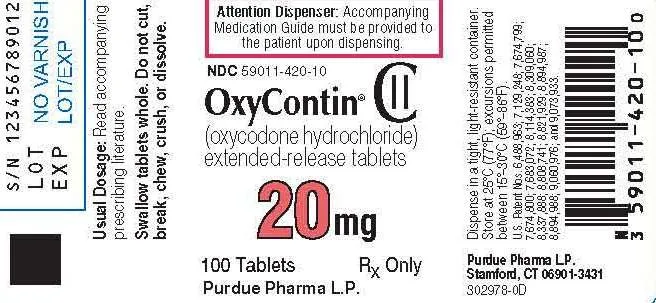

Comprehensive Overview of OxyContin
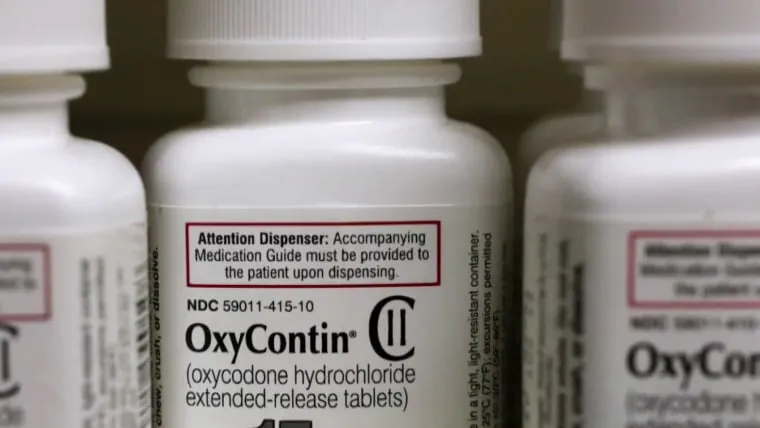
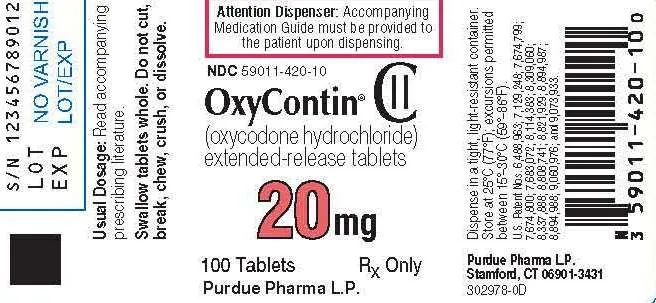
OxyContin is a brand-name, extended-release formulation of oxycodone hydrochloride, a potent semi-synthetic opioid agonist. It is classified as a Schedule II controlled substance under the U.S. Controlled Substances Act due to its high potential for abuse, addiction, and misuse. Clinically, it is indicated for the management of pain severe enough to require an opioid analgesic and for which alternative treatment options—such as non-opioid analgesics or immediate-release opioids—are inadequate.
Because of its extended-release properties, OxyContin is designed to deliver oxycodone over a prolonged period. It is intended for use in patients who require around-the-clock opioid treatment for an extended duration. It is not intended for "as-needed" (prn) pain relief.
Mechanism of Action and Pharmacokinetics
Mechanism of Action
Oxycodone acts as a pure agonist, primarily interacting with the mu-opioid receptors in the central nervous system (CNS). The therapeutic effects include analgesia, sedation, and euphoria.
- Binding: It binds to mu-opioid receptors located in the brain, spinal cord, and peripheral tissues.
- Inhibition: It inhibits the ascending pain pathways, altering the perception of and response to pain.
- Modulation: It modulates the descending inhibitory pathways, which further suppresses nociceptive signaling.
Pharmacokinetics
The pharmacokinetic profile of OxyContin is defined by its controlled-release delivery system.
| Parameter | Description |
|---|---|
| Absorption | Oxycodone is well-absorbed from the gastrointestinal tract. Bioavailability is approximately 60–87%. |
| Distribution | Distributed to skeletal muscle, liver, intestinal tract, lungs, spleen, and brain. Protein binding is ~45%. |
| Metabolism | Primarily hepatic via CYP3A4 (to noroxycodone) and CYP2D6 (to oxymorphone). |
| Excretion | Primarily renal. Less than 10% is excreted as unchanged drug. |
| Half-life | Approximately 4.5 to 6 hours for immediate release; extended-release formulations maintain therapeutic levels for 12 hours. |
Clinical Indications and Dosage Guidelines
Indications
OxyContin is indicated for the management of pain severe enough to require daily, around-the-clock, long-term opioid treatment and for which alternative treatment options are inadequate. It is generally reserved for patients who have already been titrated on other opioid analgesics.
Dosage and Administration
Dosage must be individualized based on the patient's prior opioid exposure and pain severity.
- Opioid-Naive Patients: OxyContin is generally not recommended for opioid-naive patients.
- Titration: Patients should be titrated to a stable dose that provides adequate analgesia with minimal side effects.
- Administration: Tablets must be swallowed whole. They must not be crushed, chewed, or dissolved, as this destroys the extended-release mechanism, leading to a rapid, potentially fatal release of the entire dose (dose dumping).
Dose Conversion Table (General Guidance)
Note: Always consult the latest FDA prescribing information for specific conversion ratios.
| Previous Opioid | Conversion Ratio |
|---|---|
| Oral Morphine | 1:2 (e.g., 20mg Morphine = 10mg OxyContin) |
| Oral Hydrocodone | 1:1 |
| Parenteral Morphine | 1:3 |
Risks, Side Effects, and Contraindications
Serious Risks (Black Box Warnings)
- Addiction, Abuse, and Misuse: High risk of opioid addiction even at recommended doses.
- Respiratory Depression: Serious, life-threatening, or fatal respiratory depression may occur.
- Accidental Ingestion: Even one dose can be fatal, especially in children.
- Neonatal Opioid Withdrawal Syndrome (NOWS): Prolonged use during pregnancy can result in withdrawal symptoms in the newborn.
- CYP3A4 Interactions: Concomitant use with inhibitors can lead to fatal overdose.
Common Side Effects
- Gastrointestinal: Constipation (the most common persistent side effect), nausea, vomiting.
- Central Nervous System: Drowsiness, dizziness, headache, confusion.
- Dermatological: Pruritus (itching), diaphoresis (sweating).
Contraindications
- Known hypersensitivity to oxycodone.
- Significant respiratory depression.
- Acute or severe bronchial asthma.
- Known or suspected gastrointestinal obstruction (including paralytic ileus).
Drug Interactions
Opioids interact with a wide range of substances:
1. CNS Depressants: Alcohol, benzodiazepines, and other sedatives increase the risk of respiratory depression and coma.
2. CYP3A4 Inhibitors: Drugs like ketoconazole or erythromycin can increase plasma concentrations of oxycodone.
3. Serotonergic Agents: Increased risk of Serotonin Syndrome when combined with SSRIs or SNRIs.
Pregnancy and Lactation
- Pregnancy: Category C. Use only if the potential benefit justifies the potential risk to the fetus. Long-term use results in neonatal withdrawal.
- Lactation: Oxycodone is excreted in human milk. Monitor infants for signs of sedation or respiratory depression.
Overdose Management
An overdose of OxyContin is a medical emergency.
- Symptoms: Respiratory depression (shallow breathing), extreme somnolence progressing to stupor or coma, skeletal muscle flaccidity, cold and clammy skin, constricted pupils, and bradycardia.
- Treatment:
- Establish a patent airway and provide assisted ventilation.
- Naloxone administration: Naloxone is the specific opioid antagonist. Due to the extended-release nature of OxyContin, repeated doses or a continuous infusion of naloxone may be required, as the duration of effect of the opioid may outlast the antagonist.
Frequently Asked Questions (FAQ)
1. Can I crush OxyContin tablets?
No. Crushing, chewing, or dissolving the tablet destroys the controlled-release mechanism, causing a rapid release of the medication, which can lead to a fatal overdose.
2. Is OxyContin safe for children?
OxyContin is generally not indicated for pediatric patients. Its safety and efficacy in patients under 18 have not been established.
3. What should I do if I miss a dose?
If you miss a dose, take it as soon as you remember. However, if it is almost time for your next dose, skip the missed dose. Do not take two doses at once.
4. Can I drink alcohol while taking this medication?
No. Alcohol significantly increases the risk of respiratory depression and sedation, which can be fatal.
5. Why is my doctor prescribing a stool softener?
Constipation is the most common side effect of long-term opioid therapy. It does not resolve over time, so prophylactic management is standard care.
6. How do I dispose of leftover OxyContin?
Unused medication should be disposed of immediately via a drug take-back program or by flushing it down the toilet if a take-back option is not available, as per FDA guidance.
7. Does OxyContin cause withdrawal?
Yes. If the medication is stopped abruptly after long-term use, physical dependence will manifest as withdrawal symptoms, including anxiety, diarrhea, abdominal pain, and flu-like symptoms. Tapering is required.
8. Can I drive while taking OxyContin?
OxyContin may impair the mental or physical abilities required for driving. Patients should avoid operating heavy machinery until they know how the drug affects them.
9. Is OxyContin different from generic Oxycodone?
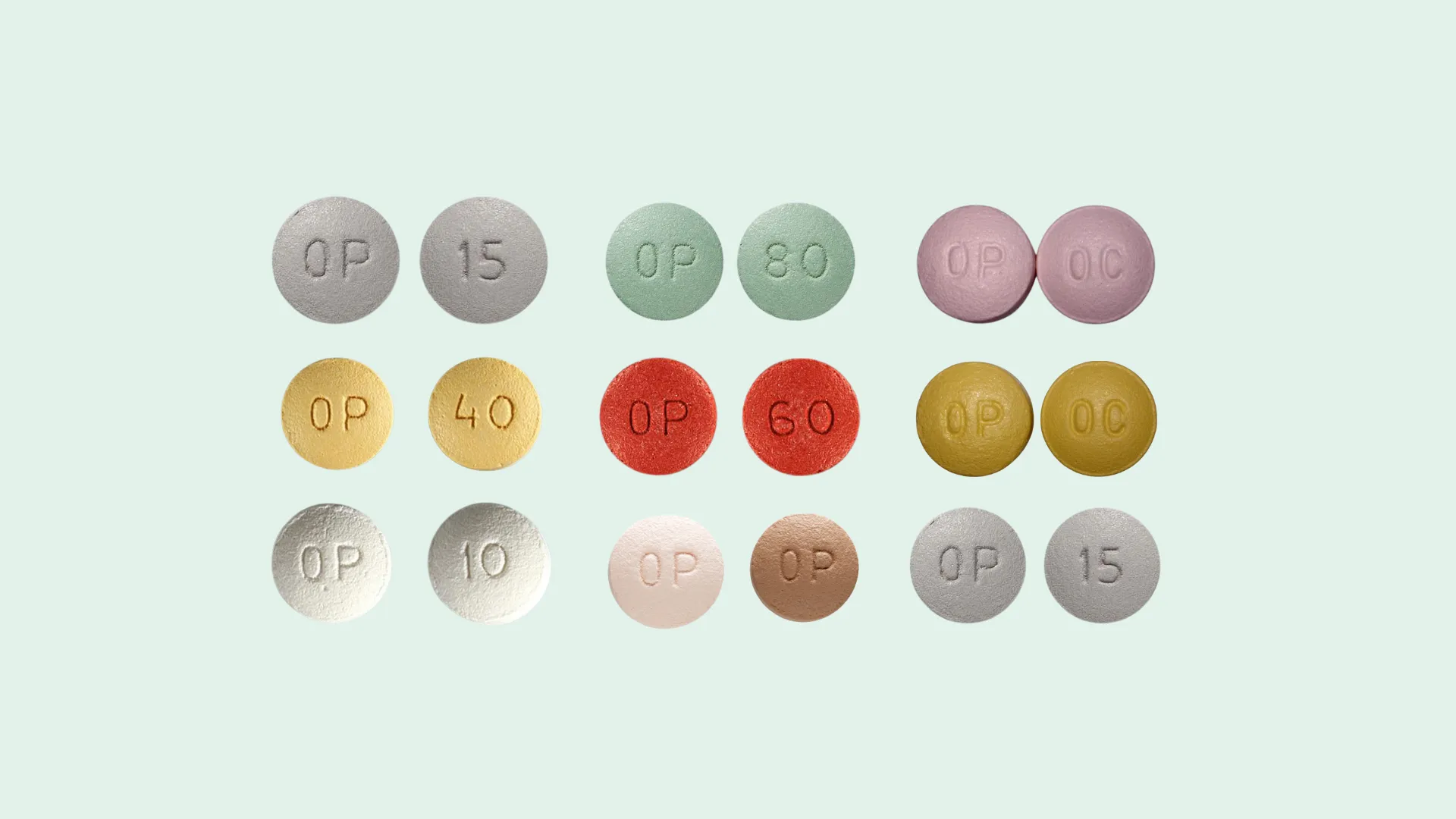
OxyContin is a specific brand-name, extended-release formulation. Generic oxycodone comes in both immediate-release (IR) and extended-release (ER) forms. Always verify the formulation with your pharmacist.
10. How long does it take for OxyContin to start working?
Because it is an extended-release formulation, it provides a gradual onset of action compared to immediate-release medications. It is designed to maintain steady plasma levels over 12 hours rather than provide a rapid "spike" in pain relief.
Disclaimer: This guide is for educational purposes only and does not constitute medical advice. Always consult with a licensed healthcare professional or orthopedic specialist regarding pain management protocols and medication safety. If you suspect an overdose, call emergency services immediately.