
Comprehensive Guide to Panadeine Forte: Mechanism, Indications, and Clinical Safety
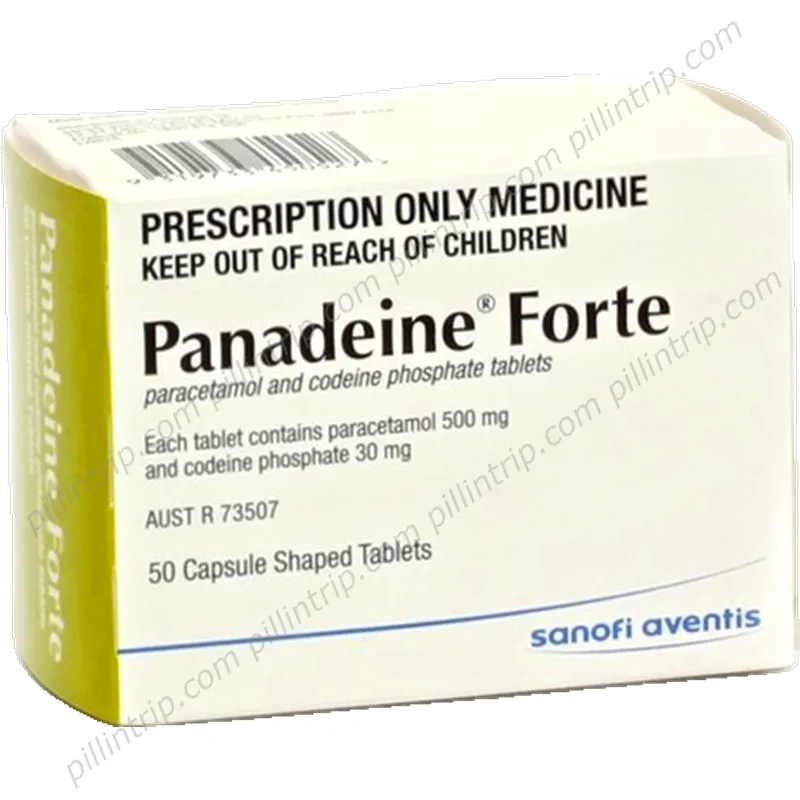
Panadeine Forte is a prescription-only analgesic medication widely utilized in clinical settings to manage moderate to severe pain that is unresponsive to milder, non-opioid analgesics. It is a combination medication consisting of two active pharmaceutical ingredients: Paracetamol (Acetaminophen) and Codeine Phosphate.
This guide provides an authoritative overview of the pharmacological, clinical, and safety profiles of Panadeine Forte, designed for healthcare professionals and patients seeking detailed medical information.
1. Deep-Dive: Mechanism of Action and Pharmacokinetics
The efficacy of Panadeine Forte lies in the synergistic effect of its two components, which target pain through distinct physiological pathways.
The Pharmacological Duo
- Paracetamol: Primarily acts within the Central Nervous System (CNS). While its exact mechanism remains a subject of ongoing research, it is widely believed to inhibit prostaglandin synthesis by acting on the cyclooxygenase (COX) pathways in the brain. It possesses potent analgesic and antipyretic properties but lacks significant anti-inflammatory activity.
- Codeine Phosphate: A prodrug belonging to the opioid analgesic class. It functions as a weak agonist at the mu-opioid receptors. Codeine is metabolized in the liver by the cytochrome P450 enzyme CYP2D6 into morphine, which provides the primary analgesic effect.
Pharmacokinetics Table
| Feature | Paracetamol | Codeine |
|---|---|---|
| Absorption | Rapidly and completely absorbed from the GI tract. | Well absorbed from the GI tract. |
| Metabolism | Hepatic (glucuronidation/sulfation). | Hepatic (CYP2D6 to morphine). |
| Excretion | Renal (as conjugates). | Renal (as metabolites). |
| Onset | 30–60 minutes. | 30–60 minutes. |
| Duration | 4–6 hours. | 4–6 hours. |
2. Clinical Indications and Usage
Panadeine Forte is indicated for the short-term management of acute, moderate-to-severe pain where other analgesics have proven insufficient.
Primary Clinical Applications
- Post-Operative Pain: Management of pain following minor to moderate surgical procedures.
- Musculoskeletal Injuries: Effective for severe sprains, fractures, or acute exacerbations of chronic conditions.
- Dental Pain: Often prescribed following complex dental extractions or oral surgery.
- Acute Back Pain: Short-term relief for debilitating muscle or spinal pain.
Dosage Guidelines
Dosage must be individualized based on the patient's pain severity and clinical response. Strict adherence to the maximum daily dose is vital to prevent hepatotoxicity.
- Adults: 1 tablet every 4 to 6 hours as required.
- Maximum Dose: Do not exceed 8 tablets in any 24-hour period.
- Duration: Should only be used for the shortest duration necessary to control symptoms, typically not exceeding 3 to 5 days.
3. Risks, Side Effects, and Contraindications
As an opioid-containing medication, Panadeine Forte carries inherent risks, including the potential for dependence, tolerance, and respiratory depression.
Common Adverse Effects
- Gastrointestinal: Nausea, vomiting, and constipation (a hallmark of opioid use).
- Neurological: Drowsiness, sedation, dizziness, or lightheadedness.
- Dermatological: Rare skin rashes or allergic reactions.
Contraindications
- Hypersensitivity: Known allergy to paracetamol, codeine, or any excipients.
- Respiratory Compromise: Patients with severe asthma, COPD, or respiratory depression.
- Hepatic Impairment: Due to the risk of paracetamol-induced liver damage.
- Alcoholism: Chronic alcohol consumption significantly increases the risk of paracetamol hepatotoxicity.
- Ultra-rapid Metabolizers: Individuals with specific genetic variations in CYP2D6 (who convert codeine to morphine too quickly) are at high risk of opioid toxicity.
4. Pregnancy, Lactation, and Special Populations
Pregnancy
Panadeine Forte should be used during pregnancy only if the potential benefit outweighs the risk to the fetus. Regular or high-dose use of opioids during pregnancy may lead to neonatal withdrawal symptoms.
Lactation
Codeine is excreted into breast milk. There is a documented risk of infant opioid toxicity if the mother is a "rapid metabolizer." Breastfeeding mothers should consult their physician before use.
Overdose Management
An overdose of Panadeine Forte is a medical emergency due to the dual-toxicity risk.
1. Paracetamol Toxicity: Managed with N-acetylcysteine (NAC) as an antidote to replenish glutathione stores.
2. Codeine Toxicity: Managed with Naloxone, an opioid antagonist, to reverse respiratory depression.
5. Frequently Asked Questions (FAQ)
1. Is Panadeine Forte addictive?
Yes. Because it contains codeine, an opioid, prolonged use can lead to physical and psychological dependence. It is intended for short-term use only.
2. Can I consume alcohol while taking this medication?
No. Alcohol increases the sedative effects of codeine and significantly elevates the risk of liver damage caused by paracetamol.
3. Why is it a prescription medication?
Due to the presence of codeine, the medication is strictly regulated to prevent misuse, dependence, and to ensure appropriate clinical supervision for pain management.
4. What should I do if I miss a dose?
Take the missed dose as soon as you remember. However, if it is nearly time for your next dose, skip the missed dose. Never double the dose to make up for a forgotten one.
5. Can I take other paracetamol-containing products?
No. Taking additional paracetamol products while on Panadeine Forte risks exceeding the maximum safe daily dose, which can lead to severe liver failure.
6. Does it cause constipation?
Yes, constipation is a very common side effect of codeine. Patients are advised to maintain adequate hydration and consider fiber intake if using the medication for several days.
7. Is it safe for children?
Panadeine Forte is generally not recommended for children due to the risks associated with codeine metabolism and the potential for respiratory depression.
8. How does it interact with other drugs?
It interacts with CNS depressants (sedatives, tranquilizers, alcohol) and certain antidepressants (MAOIs). Always consult a pharmacist before combining medications.
9. Can I drive while taking Panadeine Forte?
You should avoid driving or operating heavy machinery until you know how the medication affects you, as it frequently causes drowsiness and impaired coordination.
10. When should I seek emergency help?
Seek immediate medical attention if you experience difficulty breathing, extreme confusion, severe skin rashes, or signs of liver dysfunction (e.g., yellowing of the skin/eyes).
Disclaimer
This guide is for informational purposes only and does not constitute professional medical advice, diagnosis, or treatment. Always seek the advice of your physician or other qualified health provider with any questions you may have regarding a medical condition or medication. Never disregard professional medical advice or delay in seeking it because of something you have read here.