
Comprehensive Guide to Panadol (Paracetamol): Clinical Insights and Usage
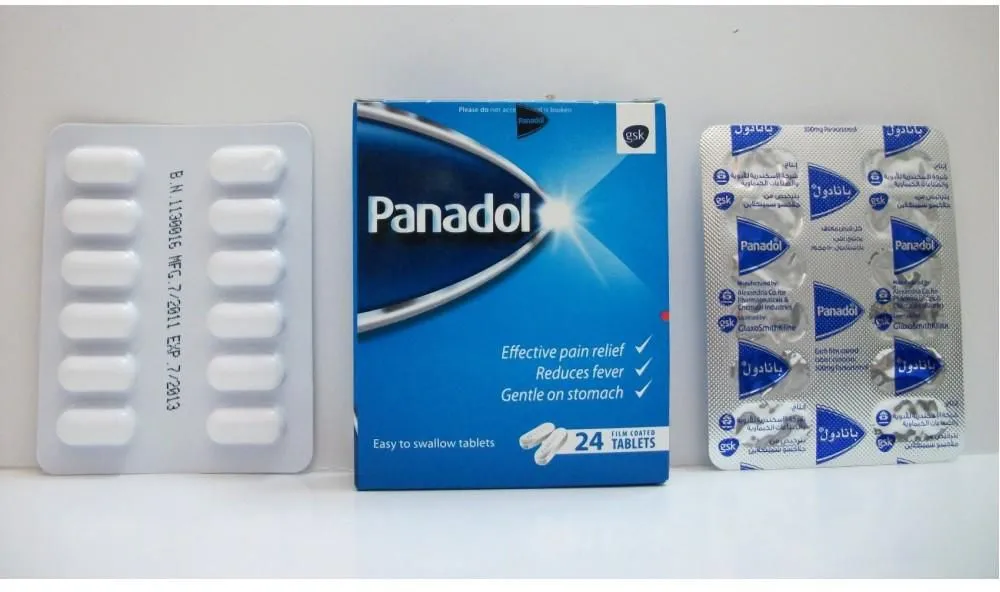
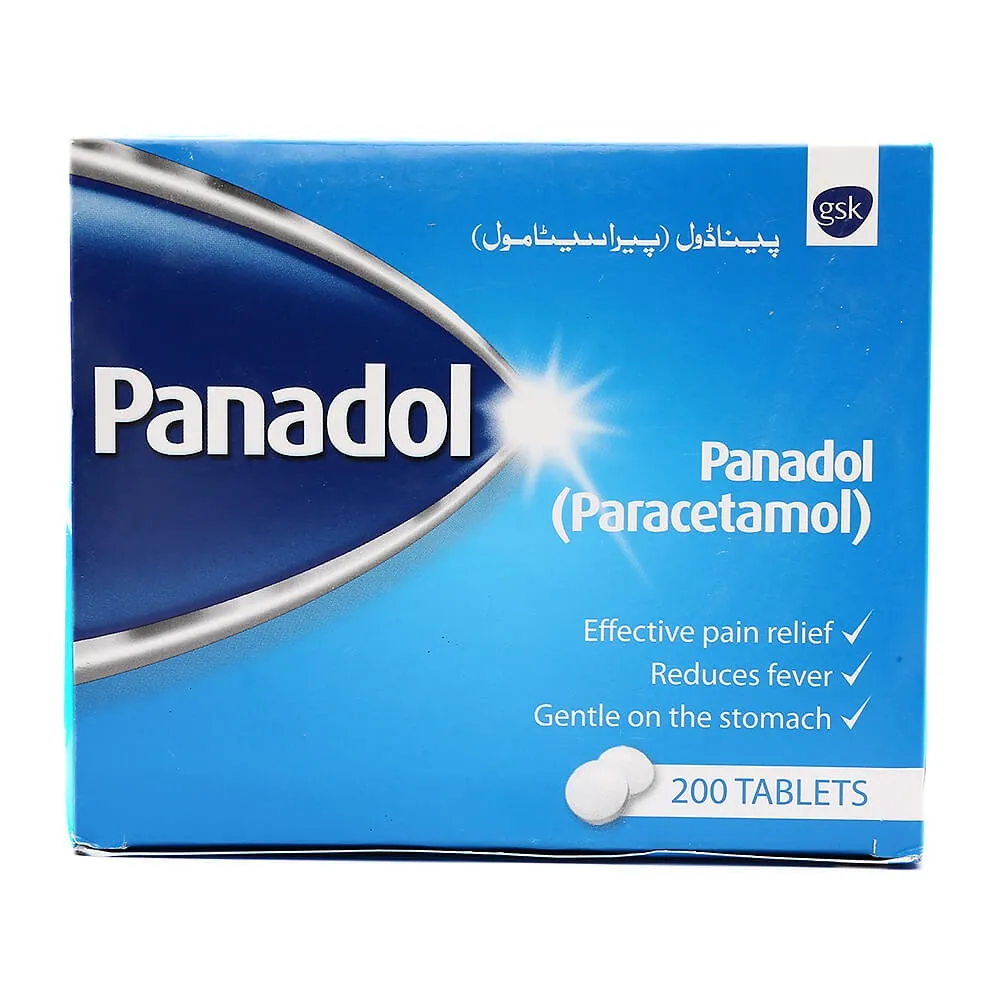
Panadol, a brand name synonymous with paracetamol (or acetaminophen in the United States), stands as one of the most widely utilized analgesic and antipyretic medications globally. As an orthopedic specialist, I frequently encounter patients utilizing this medication for the management of acute and chronic musculoskeletal pain. While it is an over-the-counter staple, its safety profile and pharmacological nuances require a deep understanding to ensure patient efficacy and safety.
This guide provides a comprehensive overview of Panadol, intended for informational purposes for patients and healthcare professionals alike.
1. Deep-Dive: Mechanism of Action and Pharmacokinetics
To understand why Panadol is effective, one must look at how it interacts with the human body. Unlike Non-Steroidal Anti-Inflammatory Drugs (NSAIDs), Panadol is not a potent anti-inflammatory agent.
The Mechanism of Action
The exact mechanism of paracetamol is still the subject of ongoing research, but the prevailing consensus points to the following:
* Central Nervous System (CNS) Inhibition: Paracetamol primarily acts within the CNS by inhibiting the synthesis of prostaglandins. Prostaglandins are lipid compounds that act as signaling molecules to trigger pain and fever.
* COX-3 Inhibition: There is strong evidence suggesting that paracetamol selectively inhibits the cyclooxygenase-3 (COX-3) enzyme variant in the brain, which plays a pivotal role in pain perception and temperature regulation.
* Serotoninergic Pathways: It is also thought to modulate the descending serotonergic pathways, which are responsible for inhibiting pain signals before they reach the brain.
Pharmacokinetics
- Absorption: Rapidly and almost completely absorbed from the gastrointestinal tract. Peak plasma concentrations are typically reached within 30 to 60 minutes.
- Distribution: Paracetamol is widely distributed throughout most body tissues. It crosses the blood-brain barrier and the placenta.
- Metabolism: Primarily metabolized in the liver via glucuronidation and sulfation. A small fraction is metabolized by the cytochrome P450 enzyme system into N-acetyl-p-benzoquinone imine (NAPQI), a toxic metabolite.
- Excretion: Excreted primarily via urine, with a half-life of approximately 2 to 3 hours in healthy adults.
2. Clinical Indications and Usage
Panadol is indicated for a variety of conditions where pain relief or fever reduction is required. Its lack of gastric irritation makes it a preferred first-line treatment for many orthopedic patients.
Primary Indications
| Indication | Description |
|---|---|
| Mild to Moderate Pain | Effective for headaches, toothaches, and minor musculoskeletal pain. |
| Fever (Antipyretic) | Reduces body temperature by acting on the hypothalamic heat-regulating center. |
| Osteoarthritis Pain | Often used as a primary agent for chronic joint pain management. |
| Post-Operative Pain | Frequently used in multimodal analgesia protocols. |
Dosage Guidelines (General Adult)
- Standard Dose: 500mg to 1000mg every 4 to 6 hours as needed.
- Maximum Daily Dose: Do not exceed 4000mg (4 grams) in any 24-hour period.
- Note: Always consult a healthcare provider for pediatric dosing, which is strictly weight-based.
3. Risks, Contraindications, and Safety
While Panadol is considered safe when used at recommended doses, the risk of hepatotoxicity (liver damage) is significant if the daily limit is exceeded.
Contraindications
- Hypersensitivity: Known allergy to paracetamol.
- Severe Hepatic Impairment: Patients with advanced liver disease should avoid or strictly limit use under medical supervision.
- Chronic Alcoholism: Regular alcohol consumption increases the risk of liver injury due to enzyme induction.
Drug Interactions
| Interacting Agent | Potential Effect |
|---|---|
| Warfarin | Prolonged use may increase the anticoagulant effect (bleeding risk). |
| Alcohol | Increases risk of liver damage. |
| Metoclopramide | May increase the rate of absorption of paracetamol. |
| Cholestyramine | May reduce the absorption of paracetamol. |
Pregnancy and Lactation
- Pregnancy: Paracetamol is generally considered the analgesic of choice during pregnancy when used at the lowest effective dose for the shortest duration.
- Lactation: It is excreted in breast milk in small concentrations but is considered compatible with breastfeeding by most major health organizations.
4. Overdose Management
Paracetamol overdose is a medical emergency. The toxicity is caused by the accumulation of the metabolite NAPQI, which depletes glutathione stores in the liver, leading to hepatic necrosis.
Signs of Overdose:
* Nausea, vomiting, and loss of appetite.
* Right upper quadrant abdominal pain.
* Jaundice (yellowing of skin/eyes) in later stages.
Treatment:
* Activated Charcoal: If administered within 1-2 hours of ingestion.
* N-acetylcysteine (NAC): The specific antidote for paracetamol poisoning. It works by replenishing glutathione stores. It must be administered as soon as possible after ingestion.
5. Frequently Asked Questions (FAQ)
1. Is Panadol an NSAID?
No. Panadol is an analgesic and antipyretic. Unlike NSAIDs (like Ibuprofen or Aspirin), it does not have significant anti-inflammatory properties and does not cause the same level of gastric irritation.
2. Can I take Panadol on an empty stomach?
Yes. Panadol is generally well-tolerated and does not require food intake to prevent stomach upset.
3. What happens if I take more than 4g in a day?
Exceeding the maximum dose of 4000mg per day can lead to severe, potentially fatal liver damage. If you suspect an overdose, seek emergency medical help immediately.
4. Can children take adult Panadol?
No. Pediatric dosing is based on weight, not age. Always use age-appropriate formulations and follow the dosage chart on the packaging or your pediatrician's instructions.
5. Does Panadol interact with other medications?
Yes, it can interact with blood thinners like Warfarin. Always inform your doctor of all supplements and medications you are currently taking.
6. Is Panadol safe for long-term use?
Long-term use should only be done under medical supervision. Chronic use may mask underlying conditions or lead to cumulative liver stress.
7. Why is Panadol often combined with Caffeine?
Some formulations (e.g., Panadol Extra) include caffeine, which has been shown to enhance the analgesic effect of paracetamol, providing faster or more potent relief.
8. How long does it take for Panadol to work?
Typically, patients begin to feel relief within 30 to 60 minutes after ingestion.
9. Can I drink alcohol while taking Panadol?
Occasional, moderate alcohol consumption is generally considered safe, but heavy or chronic alcohol intake significantly increases the risk of liver toxicity when combined with paracetamol.
10. Should I stop taking Panadol if I have a fever?
Panadol is an effective antipyretic. If your fever is high or persistent, use the medication as directed, but seek professional medical advice to determine the underlying cause of the fever.
Conclusion
Panadol remains a cornerstone of pain management due to its efficacy and relatively high safety margin when used correctly. However, the simplicity of the drug often leads to complacency. As patients, it is vital to respect the maximum dosage limits, be aware of other medications containing paracetamol (many cold and flu medicines contain it!), and consult with a professional when managing chronic pain. Always prioritize safety, and when in doubt, consult your local pharmacist or physician.