
Comprehensive Clinical Guide to Panadol Joint (Sustained-Release Paracetamol)
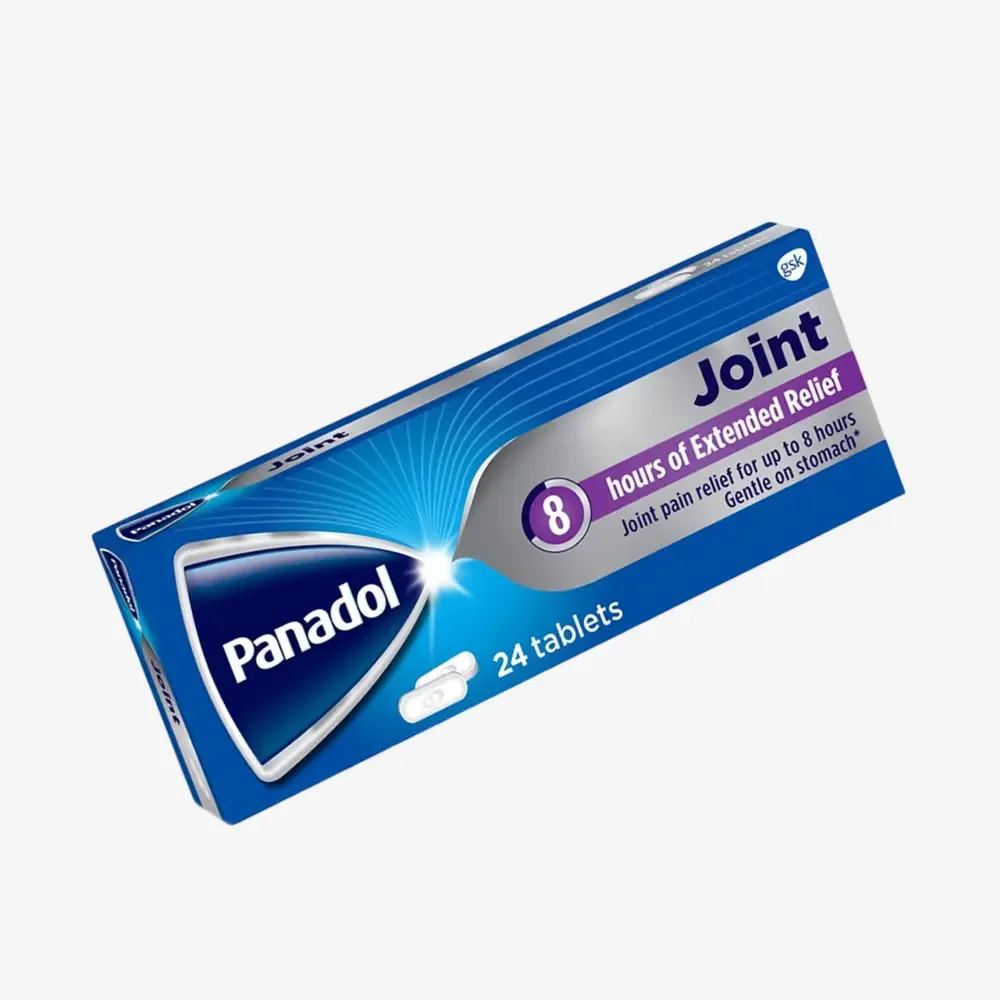
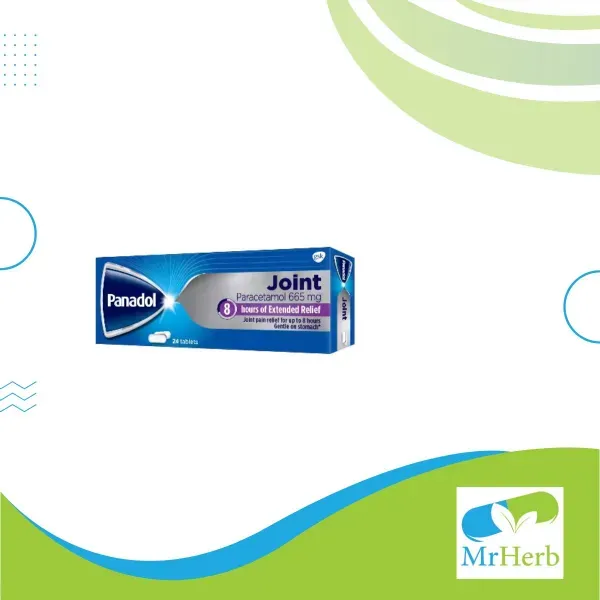
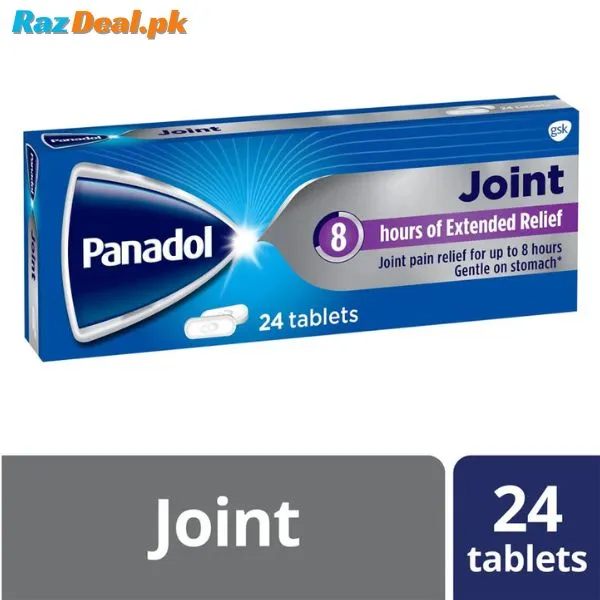
Panadol Joint represents a specialized formulation of paracetamol (acetaminophen) designed specifically for the management of persistent joint pain, most notably associated with osteoarthritis. Unlike standard immediate-release paracetamol, Panadol Joint utilizes a bi-layer tablet technology that provides both an immediate analgesic effect and a sustained, prolonged release of the active ingredient. This guide serves as an authoritative resource for healthcare professionals and patients seeking to understand the pharmacokinetics, clinical indications, and safety profile of this therapeutic agent.
1. Deep-Dive: Mechanism of Action and Pharmacokinetics
Mechanism of Action
The exact mechanism of paracetamol remains a subject of ongoing pharmacological research, though it is widely accepted that it acts primarily within the central nervous system (CNS). Unlike Non-Steroidal Anti-Inflammatory Drugs (NSAIDs), Panadol Joint has negligible peripheral anti-inflammatory activity.
- Inhibition of Prostaglandin Synthesis: It is hypothesized that paracetamol inhibits the synthesis of prostaglandins in the CNS by acting on the cyclooxygenase (COX) pathways.
- Endocannabinoid System: Recent research suggests that paracetamol metabolites (such as AM404) may interact with the endocannabinoid system, contributing to its analgesic and antipyretic effects.
- Descending Serotonergic Pathways: It is believed to modulate descending pain-inhibitory pathways in the spinal cord.
Pharmacokinetics and the Sustained-Release Advantage
The "Joint" formulation is distinguished by its unique bi-layer design:
1. Immediate-Release Layer: Provides an initial dose of paracetamol for rapid onset of relief.
2. Sustained-Release Layer: Ensures a steady, slow absorption of the remaining paracetamol, maintaining plasma concentrations within the therapeutic range for up to 8 hours.
| Feature | Standard Paracetamol | Panadol Joint |
|---|---|---|
| Release Profile | Rapid absorption | Biphasic (Rapid + Sustained) |
| Duration of Action | 4-6 hours | Up to 8 hours |
| Dosing Frequency | Every 4-6 hours | Every 8 hours |
| Primary Use | Acute pain/fever | Chronic joint/osteoarthritis pain |
2. Clinical Indications and Usage
Panadol Joint is specifically indicated for the relief of persistent pain associated with:
* Osteoarthritis: The primary clinical indication.
* Joint Pain: Mild to moderate musculoskeletal discomfort.
* Rheumatoid Arthritis: Used as an adjunct to primary therapy.
Dosage Guidelines
Adherence to dosage guidelines is critical to prevent hepatotoxicity.
- Adults (including elderly): 2 tablets taken three times a day, every 8 hours.
- Maximum Dose: Do not exceed 6 tablets (3990mg) in any 24-hour period.
- Administration: Tablets should be swallowed whole with water. Do not crush, chew, or break the tablets, as this disrupts the sustained-release matrix and may lead to rapid, unsafe absorption.
3. Risks, Side Effects, and Contraindications
While Panadol Joint is generally well-tolerated, it carries risks associated with paracetamol overdose and individual sensitivities.
Contraindications
- Hypersensitivity: Known allergy to paracetamol or any excipients in the tablet.
- Severe Hepatic Impairment: Paracetamol is metabolized in the liver; severe dysfunction increases the risk of toxicity.
- Active Alcoholism: Chronic alcohol consumption induces CYP2E1 enzymes, which increase the production of the toxic metabolite NAPQI.
Potential Side Effects
Side effects are rare when taken at the recommended dose. However, they may include:
* Dermatological: Rash, urticaria, or pruritus.
* Hematological: Very rare cases of thrombocytopenia, leukopenia, or neutropenia.
* Hepatic: Potential for elevated liver enzymes with chronic high-dose use.
Drug Interactions
- Warfarin: Chronic, high-dose use of paracetamol may enhance the anticoagulant effect of warfarin.
- Metoclopramide/Domperidone: May increase the rate of paracetamol absorption.
- Cholestyramine: May reduce the absorption of paracetamol.
- Hepatotoxic Medications: Concurrent use with other drugs that stress the liver (e.g., isoniazid, high-dose aspirin) should be avoided.
4. Pregnancy, Lactation, and Special Populations
Pregnancy
Paracetamol is considered the analgesic of choice during pregnancy when used at the lowest effective dose for the shortest duration. However, patients should consult their obstetrician before initiating long-term therapy.
Lactation
Paracetamol is excreted into breast milk in low concentrations. It is generally considered safe for use during breastfeeding at recommended therapeutic doses.
Overdose Management
An overdose of Panadol Joint is a medical emergency due to the risk of severe liver necrosis.
* Clinical Presentation: Nausea, vomiting, and abdominal pain may occur within the first 24 hours. Liver damage may not be clinically apparent for 48–72 hours.
* Treatment:
* Immediate medical evaluation.
* Administration of N-acetylcysteine (NAC) as an antidote.
* Measurement of plasma paracetamol levels to determine the need for continued NAC therapy.
5. Frequently Asked Questions (FAQ)
Q1: Can I take Panadol Joint with other paracetamol-containing products?
No. Taking Panadol Joint alongside other paracetamol products (e.g., cold and flu remedies) significantly increases the risk of accidental overdose and severe liver damage.
Q2: Why shouldn't I crush the tablets?
Crushing the tablet destroys the bi-layer sustained-release matrix. This causes the entire dose to be released immediately, which can lead to rapid, unsafe plasma spikes and a loss of the 8-hour analgesic effect.
Q3: Is Panadol Joint an anti-inflammatory drug?
No. Panadol Joint contains paracetamol, which is an analgesic and antipyretic. It does not possess significant anti-inflammatory properties and is not classified as an NSAID.
Q4: How long can I take Panadol Joint for joint pain?
It is intended for long-term management of osteoarthritis pain. However, if symptoms persist for more than 10 days, you must consult a physician to rule out underlying structural damage or other pathologies.
Q5: Can I drink alcohol while taking Panadol Joint?
Moderate alcohol consumption is generally safe, but chronic heavy alcohol intake significantly increases the risk of hepatotoxicity. Consult your doctor if you consume more than 2-3 drinks daily.
Q6: What should I do if I miss a dose?
Take the dose as soon as you remember. If it is nearly time for your next dose, skip the missed dose. Do not take a double dose to make up for a forgotten one.
Q7: Does Panadol Joint cause stomach irritation like NSAIDs?
No. One of the primary benefits of Panadol Joint is that it is generally gastric-sparing and does not typically cause the gastric ulcers or irritation associated with NSAIDs like ibuprofen or naproxen.
Q8: Is it safe for patients with high blood pressure?
Yes, unlike some NSAIDs which can cause fluid retention and increase blood pressure, paracetamol is generally considered the safest analgesic choice for patients with hypertension.
Q9: What is the maximum daily dose?
The maximum dose is 6 tablets (3990mg) in 24 hours. Exceeding this limit is dangerous and can cause irreversible liver failure.
Q10: How does it compare to regular Panadol?
Regular Panadol is immediate-release and typically lasts 4-6 hours. Panadol Joint is specifically engineered for chronic pain patients, providing a slower, sustained release that lasts up to 8 hours, requiring fewer daily doses.
Disclaimer: This guide is for informational purposes only and does not constitute medical advice. Always consult with a licensed healthcare provider before starting or changing any medication regimen. If you suspect an overdose, seek emergency medical services immediately.