
Comprehensive Introduction to Pantoprazole
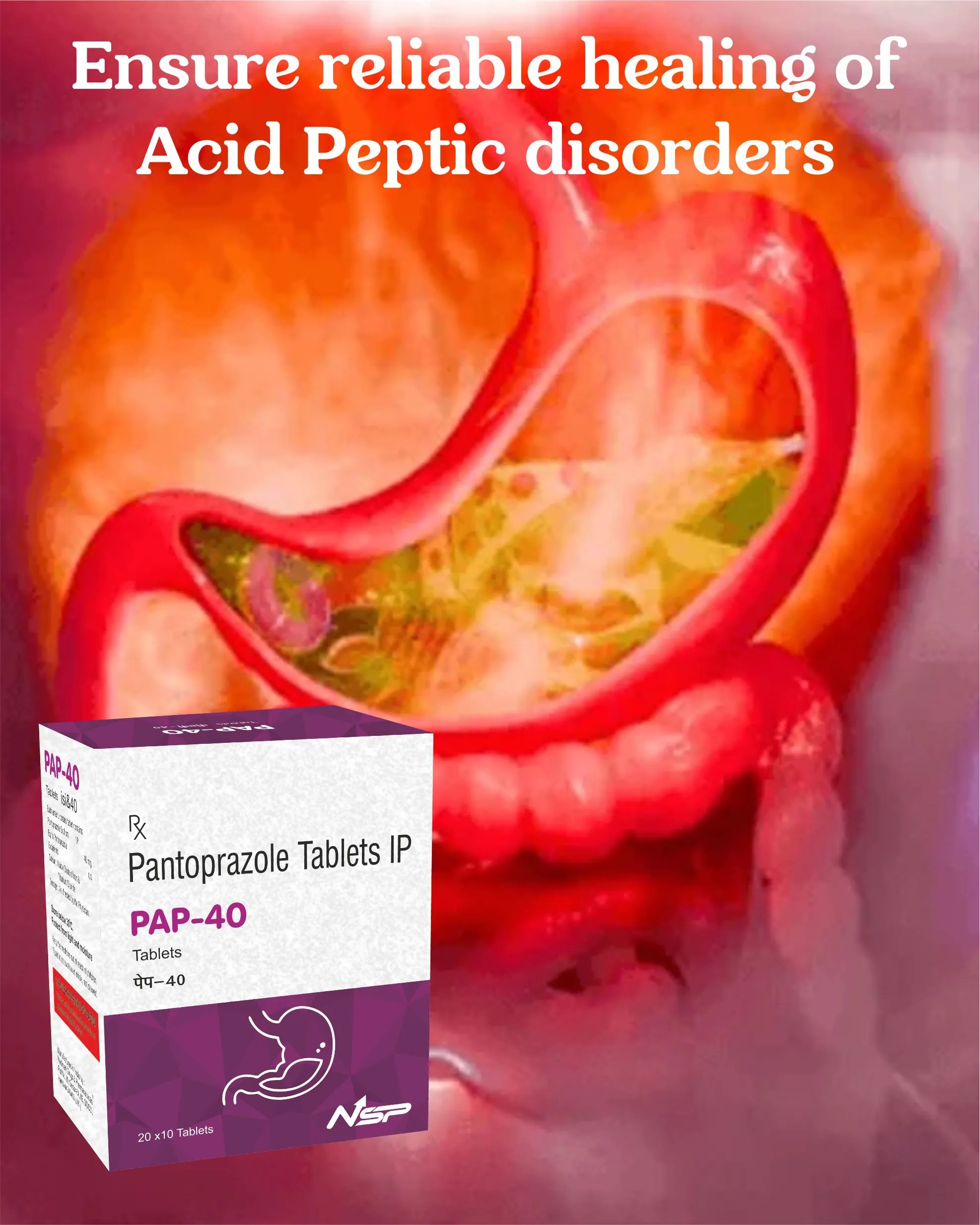
Pantoprazole is a substituted benzimidazole derivative that belongs to the class of medications known as Proton Pump Inhibitors (PPIs). Since its introduction to clinical practice, it has become a cornerstone in the management of acid-related gastrointestinal disorders. By effectively suppressing gastric acid secretion, Pantoprazole plays a vital role in healing erosive esophagitis, managing Gastroesophageal Reflux Disease (GERD), and preventing gastric ulcers in high-risk patients.
Unlike older H2-receptor antagonists, Pantoprazole provides a more profound and sustained reduction in gastric acidity, making it the preferred pharmacological intervention for conditions characterized by hypersecretion of acid. This guide serves as a technical overview for healthcare professionals and patients seeking a granular understanding of the drug's pharmacokinetic profile, clinical applications, and safety parameters.
Mechanism of Action: The Science of Acid Suppression
To understand how Pantoprazole works, one must look at the final step of gastric acid production. The gastric parietal cell contains a specialized enzyme system known as H+/K+-ATPase, colloquially referred to as the "proton pump."
The Molecular Pathway
- Prodrug Activation: Pantoprazole is administered as an inactive prodrug. It is acid-labile and requires an enteric coating to pass through the stomach intact.
- Absorption and Diffusion: Once in the small intestine, the drug is absorbed into the systemic circulation and reaches the parietal cells via the bloodstream.
- Acid-Catalyzed Conversion: Within the acidic environment of the parietal cell's secretory canaliculi, Pantoprazole is protonated and converted into its active form, a cyclic sulfenamide.
- Irreversible Inhibition: The active sulfenamide forms covalent disulfide bonds with the cysteine residues of the H+/K+-ATPase enzyme. This results in the irreversible inhibition of the proton pump, effectively blocking the secretion of hydrogen ions into the gastric lumen.
Because the inhibition is irreversible, acid secretion remains suppressed until new H+/K+-ATPase enzymes are synthesized by the parietal cells, which typically takes 24 to 48 hours.
Pharmacokinetics and Metabolism
The clinical efficacy of Pantoprazole is dictated by its specific pharmacokinetic properties, which distinguish it from other PPIs like omeprazole or lansoprazole.
| Parameter | Clinical Characteristic |
|---|---|
| Bioavailability | Approximately 77% |
| Protein Binding | High (98%) |
| Metabolism | Hepatic via CYP2C19 and CYP3A4 |
| Elimination Half-life | ~1 to 2 hours |
| Excretion | Primarily renal (80%) and biliary (20%) |
Pantoprazole undergoes extensive hepatic metabolism. The primary pathway involves demethylation by the CYP2C19 enzyme, followed by sulfation. Patients with genetic polymorphisms in the CYP2C19 enzyme (poor metabolizers) may exhibit higher plasma concentrations and prolonged effects, necessitating potential dose adjustments.
Clinical Indications and Usage
Pantoprazole is indicated for a variety of conditions where the suppression of gastric acid is clinically necessary.
Primary Indications
- Erosive Esophagitis: Short-term treatment (up to 8 weeks) for the healing and symptomatic relief of erosive esophagitis associated with GERD.
- Maintenance of Healing: Long-term maintenance treatment to prevent the recurrence of erosive esophagitis.
- Pathological Hypersecretory Conditions: Long-term management of conditions such as Zollinger-Ellison Syndrome.
- Prophylaxis: Prevention of NSAID-induced gastric ulcers in high-risk patients.
Standard Dosage Guidelines
Dosage varies significantly based on the severity of the condition and the patient's renal or hepatic function.
| Condition | Recommended Adult Dosage |
|---|---|
| GERD (Short-term) | 40 mg once daily for 8 weeks |
| Maintenance of Healing | 40 mg once daily |
| Zollinger-Ellison Syndrome | 40 mg twice daily (up to 240 mg/day) |
| NSAID Prophylaxis | 20 mg – 40 mg daily |
Contraindications and Safety Warnings
While generally well-tolerated, Pantoprazole is associated with specific risks, particularly when used for extended periods.
Contraindications
- Hypersensitivity: Known hypersensitivity to Pantoprazole or any component of the formulation.
- Concurrent Rilpivirine: PPIs can significantly reduce the absorption of rilpivirine, potentially leading to treatment failure.
Key Safety Considerations
- Clostridium difficile-associated Diarrhea (CDAD): PPI therapy is associated with an increased risk of C. difficile infections. Patients experiencing persistent diarrhea should seek medical evaluation.
- Bone Fractures: Long-term, high-dose PPI use has been linked to an increased risk of osteoporosis-related fractures of the hip, wrist, or spine.
- Hypomagnesemia: Prolonged use may lead to severe hypomagnesemia, which can manifest as tetany, arrhythmias, or seizures.
- Vitamin B12 Deficiency: Chronic acid suppression may interfere with the absorption of Vitamin B12, potentially leading to deficiency in long-term users.
- Acute Interstitial Nephritis (AIN): A rare but serious potential side effect that may manifest as a sudden decrease in renal function.
Drug Interactions
Pantoprazole's reliance on the CYP450 enzyme system and its effect on gastric pH make it susceptible to several important drug interactions:
- pH-Dependent Absorption: Drugs such as ketoconazole, atazanavir, and iron salts require an acidic environment for optimal absorption. Pantoprazole may reduce their efficacy.
- Warfarin: While interactions are less frequent than with other PPIs, monitoring of International Normalized Ratio (INR) is recommended when initiating or stopping Pantoprazole in patients on warfarin.
- Methotrexate: PPIs may increase the serum levels of methotrexate, potentially increasing its toxicity.
- Clopidogrel: Studies suggest that certain PPIs may inhibit the activation of clopidogrel by the CYP2C19 enzyme, potentially reducing its antiplatelet effect.
Pregnancy and Lactation
- Pregnancy: Animal studies have not revealed evidence of impaired fertility or harm to the fetus. However, well-controlled studies in pregnant women are limited. Pantoprazole should only be used during pregnancy if clearly needed.
- Lactation: Pantoprazole is excreted in human milk. Given the potential for serious adverse reactions in nursing infants, a decision must be made whether to discontinue breastfeeding or the drug, taking into account the importance of the drug to the mother.
Overdose Management
Experience with Pantoprazole overdose in humans is limited. Doses up to 240 mg have been administered intravenously without significant adverse effects. Because of its high protein binding, Pantoprazole is not readily dialyzable. In the event of an overdose, treatment should be symptomatic and supportive.
Frequently Asked Questions (FAQ)
1. How long does it take for Pantoprazole to work?
While some patients report symptom relief within a few hours, it may take 2 to 3 days of consistent daily usage for the medication to achieve full acid-suppression effects.
2. Should I take Pantoprazole with food?
Pantoprazole can be taken with or without food. However, it is generally recommended to be taken at the same time each day, usually before a meal, to ensure compliance.
3. Can I crush or chew the tablets?
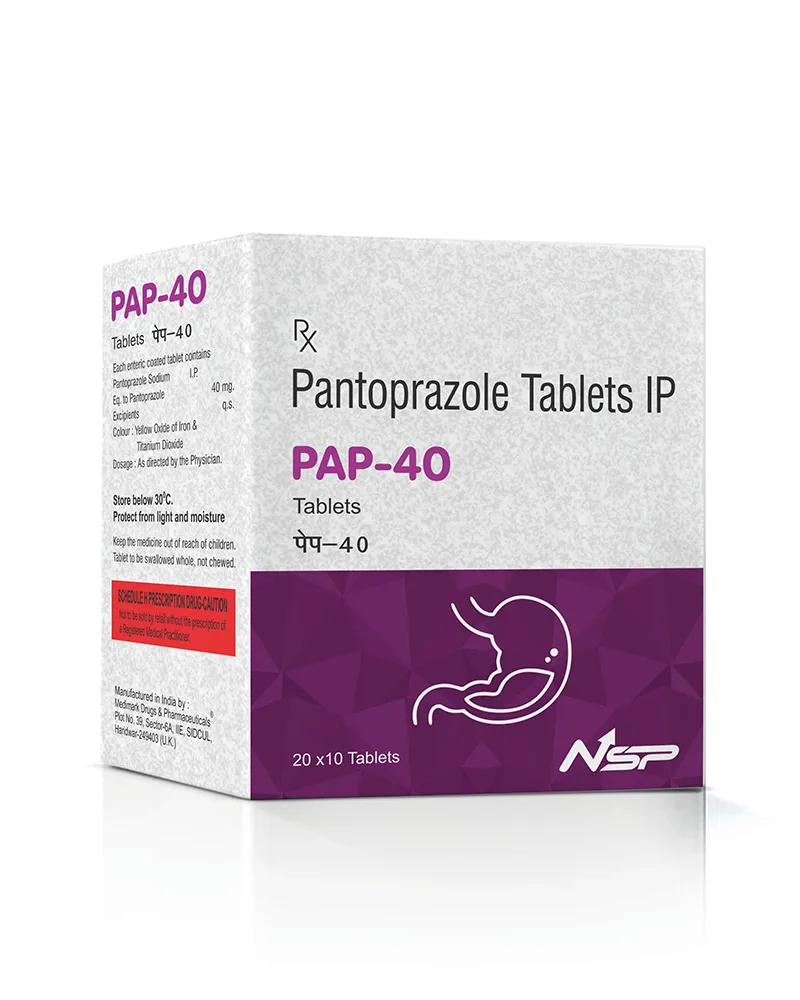
No. Pantoprazole tablets are enteric-coated to protect the active ingredient from stomach acid. Crushing or chewing the tablet destroys this coating, rendering the drug ineffective.
4. Why do I need to monitor my magnesium levels?
Long-term PPI use can reduce the body's ability to absorb magnesium. Regular blood tests are recommended for patients on long-term therapy, especially those also taking diuretics or digoxin.
5. Is it safe to stop taking Pantoprazole suddenly?
While not dangerous, stopping abruptly can cause "rebound acid hypersecretion," where the stomach produces more acid than before, leading to a temporary worsening of symptoms. Tapering is often recommended.
6. Does Pantoprazole interact with birth control?
There is no significant evidence that Pantoprazole interferes with the efficacy of oral contraceptives.
7. Can Pantoprazole cause weight gain?
Weight gain is not a recognized side effect of Pantoprazole. If you experience unexplained weight changes, consult your physician.
8. Is Pantoprazole safe for elderly patients?
Yes, it is generally safe, but elderly patients may be at a higher risk for side effects like bone fractures or infections. Dosage should be carefully monitored by a physician.
9. What should I do if I miss a dose?
Take the missed dose as soon as you remember. If it is almost time for your next dose, skip the missed one. Do not take two doses at once to make up for a missed one.
10. Can I drink alcohol while on Pantoprazole?
Alcohol can irritate the stomach lining and increase acid production, which may counteract the benefits of the medication. It is generally advised to limit alcohol consumption.
Disclaimer: This guide is for educational purposes only and does not constitute professional medical advice, diagnosis, or treatment. Always seek the advice of your physician or other qualified health provider with any questions you may have regarding a medical condition or medication.