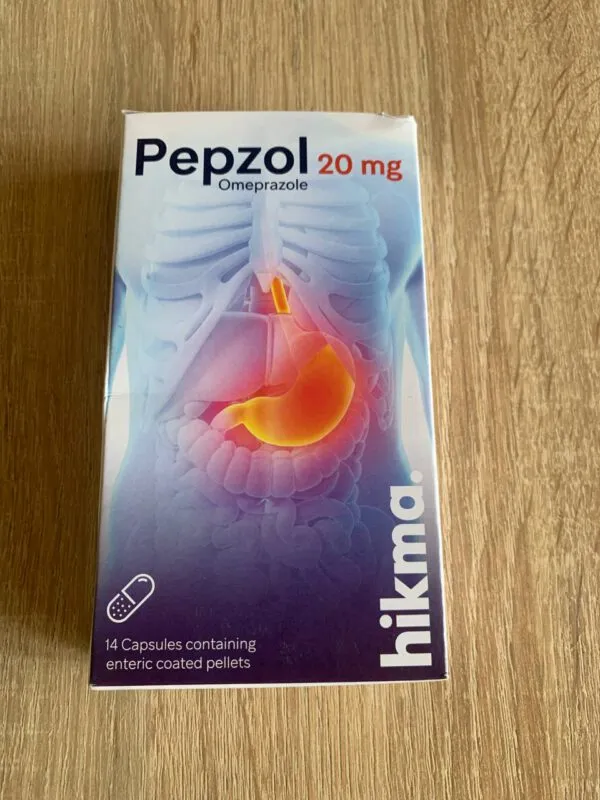
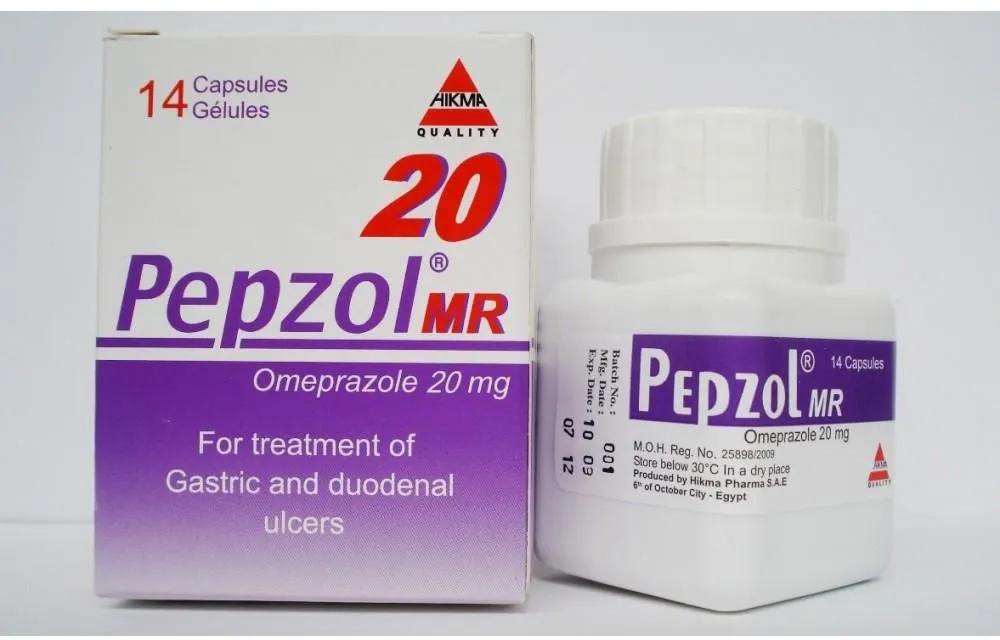

Comprehensive Guide to Pepzol (Pantoprazole Sodium)
Pepzol, known generically as Pantoprazole, is a potent Proton Pump Inhibitor (PPI) widely utilized in gastroenterology and internal medicine. By irreversibly inhibiting the H+/K+-ATPase enzyme system in the gastric parietal cells, Pepzol serves as a cornerstone therapy for acid-related disorders. This guide provides an exhaustive clinical overview of its pharmacological profile, therapeutic applications, and safety considerations.
1. Mechanism of Action and Pharmacodynamics
Pepzol functions as a substituted benzimidazole. Unlike H2-receptor antagonists, which block the stimulus for acid secretion, Pepzol acts directly on the final step of gastric acid production.
The Proton Pump Inhibition Process
- Prodrug Activation: Pepzol is administered as an enteric-coated tablet, protecting it from degradation in the acidic environment of the stomach. Once absorbed into the systemic circulation, it reaches the parietal cells of the stomach via the bloodstream.
- Acid Accumulation: The drug concentrates in the acidic secretory canaliculi of the parietal cells.
- Activation: In the acidic environment, Pepzol is converted to its active cyclic sulfenamide form.
- Enzyme Inhibition: This active metabolite forms a covalent disulfide bond with the cysteine residues of the H+/K+-ATPase enzyme (the "proton pump"). This effectively shuts down the pump, preventing the exchange of intracellular hydrogen ions for extracellular potassium ions, thereby halting the secretion of hydrochloric acid into the gastric lumen.
Pharmacokinetics
- Absorption: Rapidly absorbed; absolute bioavailability is approximately 77%.
- Distribution: Highly protein-bound (approx. 98%), primarily to albumin.
- Metabolism: Extensively metabolized in the liver via the cytochrome P450 system (primarily CYP2C19 and CYP3A4).
- Elimination: Primarily excreted via the kidneys (approx. 80%), with the remainder excreted in feces.
2. Clinical Indications and Therapeutic Usage
Pepzol is indicated for conditions where the suppression of gastric acid is clinically necessary to prevent mucosal damage or promote healing.
| Indication | Clinical Rationale |
|---|---|
| GERD | Treatment of erosive esophagitis and symptomatic gastroesophageal reflux disease. |
| Peptic Ulcer Disease | Healing and maintenance of duodenal and gastric ulcers. |
| Zollinger-Ellison Syndrome | Management of hypersecretory conditions associated with gastrinomas. |
| NSAID-Induced Ulcers | Prophylaxis in patients requiring long-term NSAID therapy (common in orthopedics). |
| H. pylori Eradication | Used in combination with antibiotics to treat Helicobacter pylori infections. |
3. Dosage Guidelines
Dosage must be tailored to the patient’s clinical presentation and renal/hepatic function.
- Erosive Esophagitis: 40 mg once daily for 8 weeks. Maintenance therapy may be required.
- GERD: 20 mg to 40 mg daily depending on symptom severity.
- Zollinger-Ellison Syndrome: Starting dose is typically 40 mg twice daily. Doses may be titrated up to 240 mg daily based on gastric acid output requirements.
- Administration Note: Pepzol should be taken 30–60 minutes before a meal. Tablets must be swallowed whole; they should not be crushed or chewed, as this destroys the enteric coating.
4. Risks, Side Effects, and Contraindications
While generally well-tolerated, long-term PPI use is associated with specific clinical risks that require physician oversight.
Common Side Effects
- Gastrointestinal: Diarrhea, nausea, abdominal pain, flatulence.
- Neurological: Headache, dizziness.
- Musculoskeletal: Arthralgia or myalgia (often reported in clinical practice).
Serious Adverse Effects (Long-term use)
- Bone Health: Increased risk of osteoporosis-related fractures (hip, wrist, spine) due to decreased calcium absorption.
- Infections: Increased susceptibility to Clostridioides difficile and community-acquired pneumonia.
- Nutritional Deficiencies: Potential for Vitamin B12 and Magnesium deficiency.
- Renal: Rare instances of acute interstitial nephritis.
Contraindications
- Hypersensitivity: Known allergy to pantoprazole or any component of the formulation.
- Concurrent Rilpivirine: PPIs significantly decrease the concentration of Rilpivirine, potentially leading to HIV treatment failure.
5. Pregnancy, Lactation, and Special Populations
- Pregnancy: Category B. Animal studies have not shown evidence of impaired fertility or harm to the fetus. Use only if clearly needed.
- Lactation: Pantoprazole is excreted in breast milk. Caution should be exercised when administering to nursing mothers.
- Hepatic Impairment: Dosage adjustment may be required in patients with severe liver disease; monitor liver enzymes periodically.
6. Drug Interactions
Pepzol interacts with medications that rely on gastric pH for absorption or are metabolized by the hepatic CYP450 system.
- pH-Dependent Drugs: Atazanavir, Ketoconazole, and Iron salts. Pepzol reduces their absorption, potentially rendering them ineffective.
- Warfarin: Increased INR/Prothrombin time has been reported; monitor closely when initiating or stopping Pepzol.
- Methotrexate: PPIs may increase serum levels of methotrexate, increasing toxicity risk.
- Clopidogrel: Potential reduction in the antiplatelet effect of clopidogrel, as pantoprazole may inhibit the conversion of the drug to its active metabolite.
7. Overdose Management
Experience with human overdose is limited. Pantoprazole is not removed by hemodialysis. In the event of an overdose:
* Supportive Care: Provide symptomatic treatment.
* Monitoring: Gastric lavage and activated charcoal may be considered if the ingestion is recent and the patient is stable.
* Observation: Monitor vital signs and maintain airway.
8. Massive FAQ Section
Q1: Can I take Pepzol with food?
A: It is best to take Pepzol on an empty stomach, approximately 30 to 60 minutes before your first meal of the day to ensure optimal absorption.
Q2: How long can I safely take Pepzol?
A: Short-term use is standard. Long-term use (beyond 8 weeks) should only be conducted under strict medical supervision due to risks like bone density loss and nutrient malabsorption.
Q3: Does Pepzol interact with my pain medications?
A: If you are taking NSAIDs (like Ibuprofen or Naproxen), Pepzol is often prescribed to protect your stomach lining. However, always consult your orthopedist regarding specific drug combinations.
Q4: What should I do if I miss a dose?
A: Take it as soon as you remember. If it is almost time for your next dose, skip the missed dose and resume your regular schedule. Do not double the dose.
Q5: Can I crush the tablet?
A: No. The tablet is enteric-coated to prevent stomach acid from breaking it down before it reaches the small intestine. Crushing it will destroy this protective layer.
Q6: Will Pepzol cause weight gain?
A: Weight gain is not a recognized side effect of Pepzol. If you experience unexplained weight changes, consult your healthcare provider.
Q7: Does Pepzol affect Vitamin B12 levels?
A: Yes, long-term acid suppression can reduce the absorption of Vitamin B12. Your doctor may monitor your levels if you are on therapy for more than a year.
Q8: Is Pepzol the same as Omeprazole?
A: Both are Proton Pump Inhibitors, but they are different molecules. Some patients respond better to one than the other.
Q9: Can I stop taking Pepzol abruptly?
A: Abrupt cessation can lead to "rebound acid hypersecretion," where your stomach produces more acid than before. Consult your doctor to discuss a tapering schedule.
Q10: Does this medication cause kidney problems?
A: While rare, acute interstitial nephritis has been reported. If you notice a significant decrease in urination or blood in your urine, seek medical attention immediately.
Clinical Disclaimer
This guide is for informational purposes only and does not constitute professional medical advice, diagnosis, or treatment. Always seek the advice of your physician or qualified health provider with any questions regarding a medical condition or medication. Never disregard professional medical advice or delay in seeking it because of something you have read here.