
Understanding the Perthes Abduction Brace: A Clinical Overview
Legg-Calvé-Perthes disease (LCPD) is a complex idiopathic osteonecrosis of the femoral head in children. The management of this condition requires meticulous orthopedic intervention to ensure the spherical shape of the femoral head is maintained during the revascularization process. The Perthes Abduction Brace stands as a cornerstone in non-surgical containment therapy.
Unlike pharmacological interventions, the "mechanism of action" for an abduction brace is mechanical. It is designed to keep the femoral head deeply seated within the acetabulum (the hip socket) in a position of abduction. By maintaining this "contained" position, the brace facilitates proper remodeling of the epiphysis while the bone undergoes necrosis, fragmentation, and eventual reossification.
The Biomechanical Mechanism of Action
To understand why this orthosis is prescribed, one must look at the "Containment Theory." In LCPD, the femoral head is susceptible to flattening (coxa plana) if it is not properly supported by the acetabular rim.
Technical Specifications
- Abduction Angle: Typically set between 30 to 45 degrees, depending on the patient’s specific radiographic containment needs.
- Material Composition: Usually constructed from lightweight thermoplastic shells or high-grade aluminum uprights with hypoallergenic padding.
- Joint Mechanics: Features adjustable hinges that allow for stable abduction while permitting limited range of motion if clinically indicated.
Pharmacokinetics (Orthotic Equivalent)
While a brace is not a drug and does not undergo systemic metabolism, its "kinetics" are defined by Compliance and Load Distribution:
1. Absorption: The "dosage" is absorbed by the patient through consistent wear-time.
2. Distribution: The mechanical force is distributed across the pelvis and the proximal femur.
3. Metabolism: Not applicable; however, the biological remodeling of the bone is the direct result of the mechanical environment provided by the brace.
4. Excretion: The "effect" is discontinued upon the removal of the device once radiographic evidence suggests reossification is sufficient.
Detailed Clinical Indications & Usage
The Perthes Abduction Brace is not a universal treatment for all LCPD cases. It is specifically indicated for patients who meet the following criteria:
| Indication Criteria | Clinical Context |
|---|---|
| Age of Onset | Typically 6 to 10 years old. |
| Stage of Disease | Early fragmentation phase. |
| Containment Needs | Patients exhibiting "at-risk" signs (e.g., Gage’s sign, lateral calcification). |
| Joint Mobility | Patients who have regained hip motion through physical therapy. |
Dosage Guidelines (Wear-Time Protocol)
In the context of orthotics, "dosage" refers to the prescribed wear schedule.
* Full-Time Wear: 22–23 hours per day. This is the gold standard for high-risk patients.
* Part-Time Wear: 12–14 hours per day (often for nighttime use only), depending on the severity of the involvement.
* Monitoring: Orthopedic follow-ups every 3 months to adjust the abduction angle as the femoral head reshapes.
Risks, Side Effects, and Contraindications
Even with non-invasive devices, there are clinical risks that must be managed by a multidisciplinary team.
Potential Side Effects
- Skin Irritation: Pressure sores or chafing at the groin and pelvic belt contact points.
- Muscle Atrophy: Prolonged immobilization of the hip abductors can lead to localized weakness.
- Psychological Impact: Developmental challenges regarding body image and peer interaction during school years.
- Joint Stiffness: Loss of range of motion if the brace is not adjusted correctly.
Contraindications
- Joint Contractures: If the patient cannot achieve the necessary abduction without force, the brace is contraindicated until motion is restored via physical therapy.
- Severe Deformity: If the femoral head is already severely flattened, abduction bracing may provide no clinical benefit.
- Skin Integrity Issues: Open wounds or severe dermatitis in the pelvic region.
Pregnancy and Lactation Warnings
As this is an orthopedic device, there are no systemic drug-related interactions. However, adolescent patients who have reached puberty should be evaluated for potential pressure on the pelvic girdle. There are no contraindications for pregnancy, though the brace would clearly not be worn during such a period.
Drug Interactions
There are no pharmacological drug interactions with the Perthes Abduction Brace. However, patients on long-term corticosteroid therapy should be monitored closely, as steroids can exacerbate avascular necrosis.
Overdose Management
In the context of orthotics, "overdose" refers to Over-Correction. If the abduction angle is set too aggressively, it may lead to:
* Subluxation of the hip joint.
* Persistent pain in the adductor muscles.
* Gait abnormalities.
Management: Immediate consultation with an Orthotist to recalibrate the hinge settings and reduce the abduction angle.
Frequently Asked Questions (FAQ)
1. Does the Perthes Abduction Brace cure LCPD?
The brace does not "cure" the disease but creates the ideal environment for the body to heal the femoral head in a spherical shape, preventing long-term arthritis.
2. How long will my child need to wear the brace?
Treatment duration varies significantly, often ranging from 12 to 18 months, depending on the rate of bone reossification.
3. Can the child walk while wearing the brace?
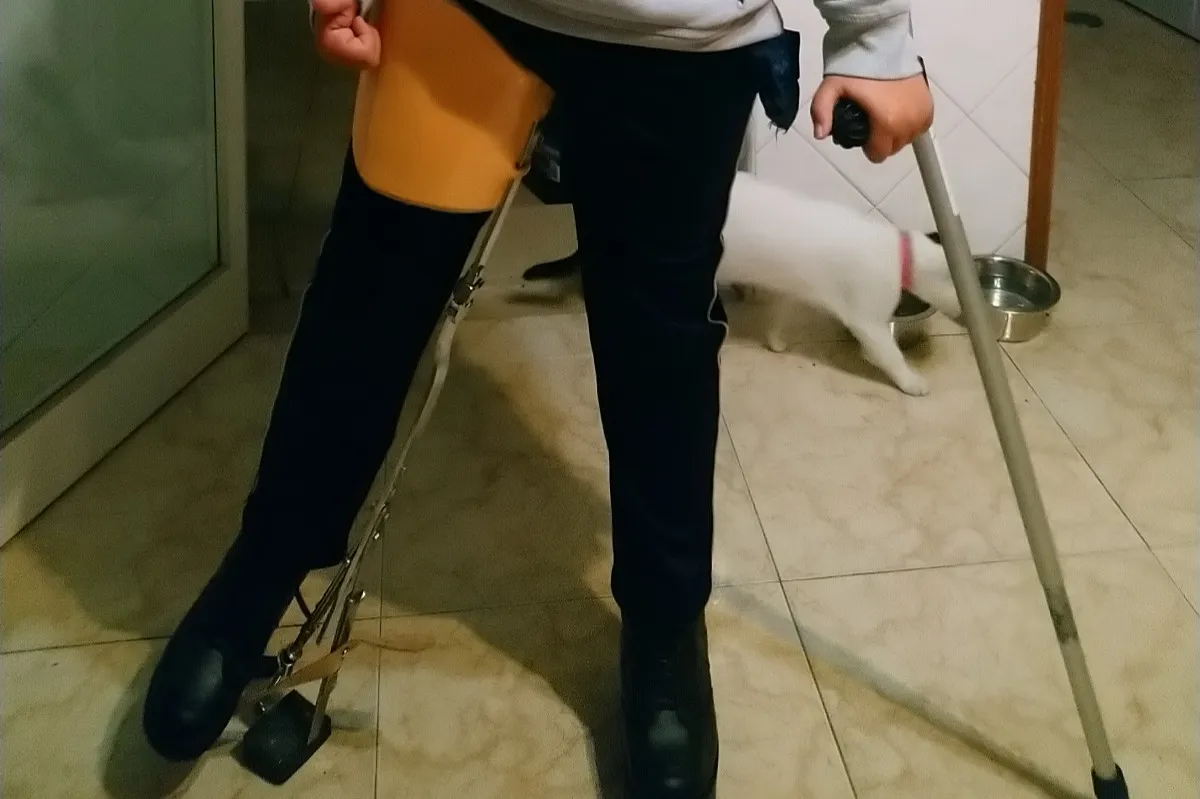
Yes, most Perthes Abduction Braces are designed to allow for a "wide-base" gait, enabling the child to remain mobile during daily activities.
4. What should I do if the skin becomes red?
Redness is common, but it should dissipate within 30 minutes of removing the brace. If the skin remains broken or irritated, contact your orthotist immediately for padding adjustments.
5. Is swimming allowed?
Usually, the brace must be removed for swimming and bathing. Ensure the child avoids weight-bearing activities while the brace is off.
6. Will this cause permanent muscle weakness?
While some atrophy is expected, it is usually temporary. Physical therapy exercises are prescribed alongside the brace to maintain muscle tone.
7. How often does the brace need adjustment?
As the child grows and the hip joint changes, the brace should be checked every 8–12 weeks.
8. What is the difference between a brace and surgery?
Surgery (osteotomy) is an invasive alternative used when conservative bracing fails to maintain containment or when the child is older.
9. Can the brace be worn over clothes?
Yes, most modern designs are low-profile and can be worn over leggings or soft pants to minimize friction against the skin.
10. Does the brace hurt?
It should not be painful. If the child complains of significant pain, the fit is likely incorrect, and a professional adjustment is required.
Clinical Recommendations for Success
To maximize the efficacy of the Perthes Abduction Brace, parents and clinicians should adhere to the following best practices:
- Hygiene Protocol: Clean the plastic shells daily with mild soap and water to prevent bacterial buildup.
- Skin Inspection: Check pressure points daily—specifically the inner thigh and the pelvic crest.
- Physical Therapy Integration: Engage in daily stretching exercises to maintain range of motion in the hip and knee joints.
- Psychosocial Support: Encourage the child to participate in age-appropriate sedentary activities to reduce the feeling of isolation.
Conclusion
The Perthes Abduction Brace remains a gold-standard conservative treatment for children diagnosed with Legg-Calvé-Perthes disease. By providing consistent containment of the femoral head, it allows the biological process of revascularization to occur under optimal conditions. Success is highly dependent on patient compliance, regular radiographic monitoring, and proactive orthotic adjustments.
While the journey of managing LCPD is lengthy, the use of this specialized orthosis significantly improves the long-term prognosis, aiming to restore a congruent, pain-free hip joint that will support the patient well into adulthood. Always consult with a pediatric orthopedic specialist to determine if this bracing strategy is the appropriate course of action for your child's specific stage of disease.