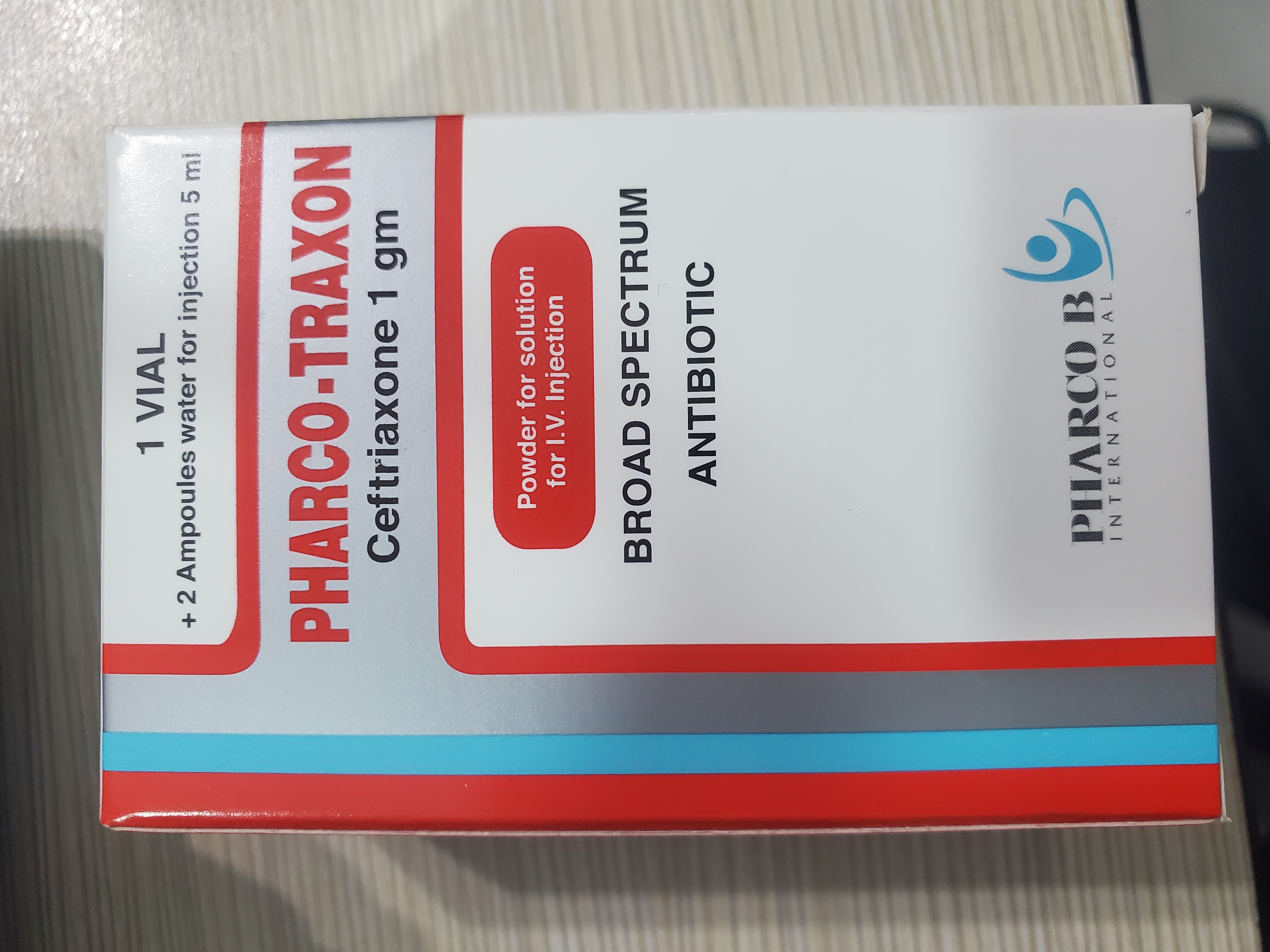
Comprehensive Clinical Guide: Pharcotraxon (Ceftriaxone Sodium)
1. Introduction and Overview
Pharcotraxon is a potent, third-generation cephalosporin antibiotic formulated for the parenteral treatment of severe bacterial infections. As a semi-synthetic, broad-spectrum beta-lactam agent, Pharcotraxon is characterized by its exceptionally long plasma elimination half-life and its high degree of protein binding, which allows for once-daily dosing in many clinical scenarios.
In the orthopedic and surgical landscape, Pharcotraxon serves as a cornerstone therapy for prophylaxis and the treatment of osteomyelitis, prosthetic joint infections, and soft tissue sepsis. It exerts bactericidal activity by inhibiting cell wall synthesis, targeting a wide array of Gram-positive and Gram-negative aerobic and anaerobic pathogens.
2. Mechanism of Action and Pharmacokinetics
Mechanism of Action
Pharcotraxon functions by binding to specific penicillin-binding proteins (PBPs) located inside the bacterial cell wall. This binding inhibits the final transpeptidation step of peptidoglycan synthesis, which is essential for bacterial cell wall structural integrity. The subsequent inhibition of cell wall synthesis leads to autolysis of the bacterial cell via the activation of endogenous autolysins.
Pharmacokinetics
The clinical utility of Pharcotraxon is largely dictated by its unique pharmacokinetic profile:
- Absorption: Following intramuscular (IM) administration, Pharcotraxon is completely absorbed. Peak plasma concentrations are achieved within 2 to 3 hours.
- Distribution: Pharcotraxon exhibits high plasma protein binding (85% to 95%), which is concentration-dependent. It diffuses well into body tissues and fluids, including the cerebrospinal fluid (CSF), synovial fluid, and bone tissue, reaching therapeutic concentrations even in the presence of inflammation.
- Half-life: The elimination half-life is approximately 5.8 to 8.7 hours in healthy adults, allowing for convenient once-daily administration.
- Metabolism: Pharcotraxon is not metabolized systemically.
- Excretion: It is excreted unchanged via both renal (approx. 33–67%) and biliary (approx. 33–67%) pathways.
3. Clinical Indications and Usage
Pharcotraxon is indicated for the treatment of infections caused by susceptible organisms. In an orthopedic context, it is frequently utilized for:
| Indication | Clinical Context |
|---|---|
| Osteomyelitis | Hematogenous or contiguous-spread bone infections. |
| Septic Arthritis | Targeted therapy for bacterial joint space infections. |
| Prophylaxis | Pre-operative coverage for joint arthroplasty or ORIF procedures. |
| Soft Tissue Infections | Necrotizing fasciitis or deep-space abscesses. |
| Meningitis | CNS penetration for bacterial meningitis. |
| Gonococcal Infections | Disseminated gonococcal arthritis/tenosynovitis. |
Dosage Guidelines
Dosage must be adjusted based on the severity of the infection, the age of the patient, and the functional status of the kidneys and liver.
- Standard Adult Dosage: 1 to 2 grams administered once daily. In severe infections, the dosage may be increased to 4 grams daily.
- Pediatric Dosage: 50–75 mg/kg per day, administered as a single dose. Total daily dose should not exceed 2 grams.
- Renal/Hepatic Impairment: No dosage adjustment is typically required in patients with renal or hepatic impairment provided the other organ system is functioning adequately. However, if both systems are failing, monitoring of plasma concentrations is advised.
4. Risks, Side Effects, and Contraindications
Contraindications
- Hypersensitivity: Known allergy to cephalosporins or any component of the formulation.
- Neonates: Use is contraindicated in premature infants and neonates (up to 28 days) who require calcium-containing IV solutions due to the risk of ceftriaxone-calcium salt precipitation in the lungs and kidneys.
Adverse Reactions
While generally well-tolerated, Pharcotraxon can cause:
- Gastrointestinal: Diarrhea, nausea, and Clostridioides difficile-associated diarrhea (CDAD).
- Hematological: Eosinophilia, thrombocytosis, and leukopenia.
- Dermatological: Rash, pruritus, and rare cases of Stevens-Johnson syndrome.
- Biliary: Biliary sludge or "pseudolithiasis" due to the precipitation of calcium-ceftriaxone salts in the gallbladder.
Drug Interactions
- Calcium-containing solutions: Must not be mixed or administered simultaneously with calcium-containing IV solutions (e.g., Ringer's lactate) due to risk of precipitation.
- Aminoglycosides: Potential for synergistic nephrotoxicity; monitor renal function closely.
- Oral Contraceptives: May reduce the efficacy of estrogen-containing oral contraceptives.
5. Pregnancy and Lactation
- Pregnancy: Pharcotraxon crosses the placental barrier. It should be used during pregnancy only if clearly needed.
- Lactation: Low concentrations are excreted in human milk. Caution should be exercised when administering to nursing mothers.
6. Overdose Management
There is no specific antidote for Pharcotraxon overdose. In the event of an overdose, therapy should be supportive and symptomatic. Hemodialysis or peritoneal dialysis is not effective in removing the drug from the systemic circulation.
7. Frequently Asked Questions (FAQ)
1. Is Pharcotraxon safe for patients with penicillin allergies?
Patients with a history of severe, IgE-mediated reactions to penicillin (anaphylaxis) should avoid cephalosporins. If the reaction was mild, the physician may consider it under strict observation, but caution is paramount.
2. Why can't I mix Pharcotraxon with Ringer's Lactate?
Mixing with calcium-containing solutions leads to the formation of insoluble calcium-ceftriaxone precipitates, which can cause life-threatening emboli or organ damage.
3. How long does a course of Pharcotraxon usually last?
Treatment duration depends on the infection. Uncomplicated infections may require 5–7 days, while deep-seated orthopedic infections like osteomyelitis may require 4–6 weeks of therapy.
4. Can Pharcotraxon be given IM?
Yes. For intramuscular administration, the powder should be reconstituted with 1% lidocaine hydrochloride solution to reduce injection site discomfort.
5. Does Pharcotraxon cause "sludge" in the gallbladder?
Yes, in some patients, the drug can precipitate in the bile, causing biliary pseudolithiasis. This is usually reversible upon discontinuation of the medication.
6. Do I need to monitor kidney function while on Pharcotraxon?
While the drug is generally safe, baseline and periodic renal function tests (BUN/Creatinine) are recommended, especially in elderly patients or those receiving long-term treatment.
7. Is Pharcotraxon effective against MRSA?
No. Pharcotraxon, like all cephalosporins, is generally ineffective against Methicillin-Resistant Staphylococcus aureus (MRSA). Vancomycin or alternative agents should be used for MRSA.
8. What should I do if I miss a dose?
Administer the missed dose as soon as possible. If it is nearly time for the next dose, skip the missed dose and resume the regular schedule. Do not double the dose.
9. Can Pharcotraxon cause diarrhea?
Yes, it can disrupt the natural gut flora, potentially leading to C. difficile infection. Patients experiencing severe, watery, or bloody diarrhea should contact their physician immediately.
10. Does Pharcotraxon interfere with lab tests?
Yes, it may cause a false-positive result for urine glucose using copper-reduction methods (e.g., Benedict's solution) and may affect the Coombs' test.
8. Clinical Handling and Administration Protocols
Preparation
Pharcotraxon is supplied as a sterile powder for reconstitution.
* IV Administration: Reconstitute with Sterile Water for Injection, 0.9% Sodium Chloride, or 5% Dextrose. Administer via slow IV injection (over 2–4 minutes) or IV infusion (over 30 minutes).
* IM Administration: Reconstitute with 1% Lidocaine Hydrochloride to minimize pain.
Storage
- Store the unconstituted powder at controlled room temperature (20°C to 25°C).
- Protect from light.
- Once reconstituted, the solution is stable for 6 hours at room temperature or 24 hours under refrigeration (2°C to 8°C).
9. Conclusion
Pharcotraxon remains an indispensable tool in the clinical armamentarium. Its favorable pharmacokinetic profile—specifically its long half-life and excellent tissue penetration—renders it a highly effective choice for the management of serious orthopedic and systemic infections. However, clinicians must remain vigilant regarding the risks of calcium-ceftriaxone precipitation and the potential for secondary gastrointestinal complications. Through careful patient selection, precise dosing, and strict adherence to administration protocols, Pharcotraxon continues to provide superior outcomes in complex clinical environments.
Disclaimer: This guide is intended for medical professionals and educational purposes only. Always consult the latest institutional protocols and the specific drug package insert provided by the manufacturer before clinical administration. Clinical decisions should be based on individual patient assessment and local antibiotic susceptibility patterns.