
Understanding Piroxicam Gel: A Comprehensive Clinical Guide
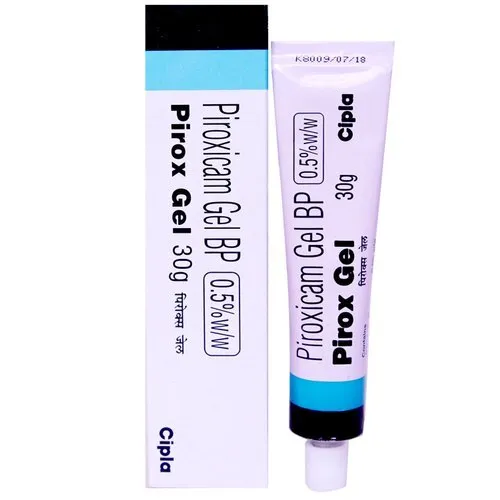
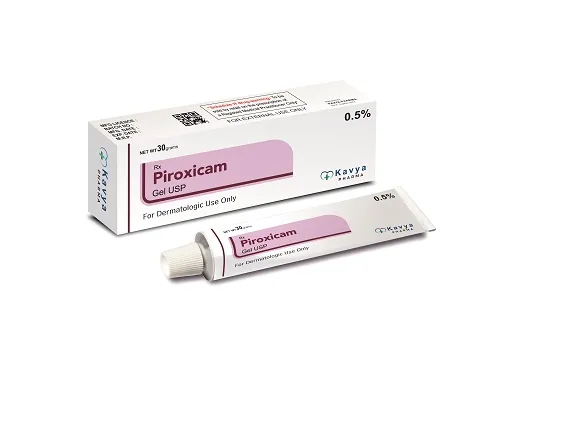
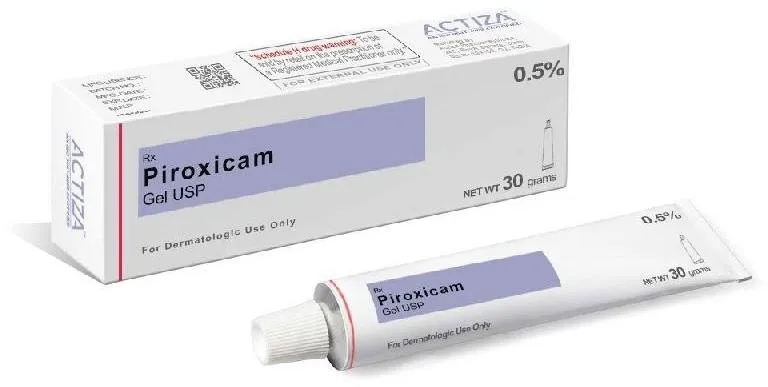
Piroxicam gel is a topically applied non-steroidal anti-inflammatory drug (NSAID) primarily utilized for the symptomatic relief of localized inflammatory conditions and musculoskeletal pain. By delivering the medication directly to the site of injury or inflammation, it provides localized therapeutic benefits while potentially minimizing the systemic adverse effects often associated with oral NSAID therapy.
This guide serves as an exhaustive resource for healthcare professionals and patients seeking to understand the pharmacodynamics, clinical application, and safety parameters of Piroxicam gel.
Technical Specifications and Mechanism of Action
Pharmacodynamics
Piroxicam belongs to the oxicam class of NSAIDs. Its primary mechanism of action involves the non-selective inhibition of the cyclooxygenase (COX) enzymes, specifically COX-1 and COX-2.
- COX-1 Inhibition: Responsible for the production of prostaglandins involved in gastric cytoprotection and platelet aggregation.
- COX-2 Inhibition: Responsible for the production of prostaglandins that mediate inflammation, pain, and fever.
By inhibiting these enzymes, Piroxicam prevents the conversion of arachidonic acid into pro-inflammatory prostaglandins. When applied topically, the drug achieves high concentrations in the subcutaneous tissues, synovial fluid, and muscle tissue, thereby exerting its anti-inflammatory and analgesic effects directly at the site of pathology.
Pharmacokinetics
The pharmacokinetics of topical Piroxicam differ significantly from oral formulations:
1. Absorption: When applied to the skin, Piroxicam penetrates the stratum corneum and enters the deeper dermal and subcutaneous layers.
2. Systemic Exposure: Systemic absorption from topical gel is minimal compared to oral administration. This reduced plasma concentration is the clinical rationale for the lower incidence of systemic side effects (such as gastrointestinal ulceration).
3. Metabolism: Any systemically absorbed Piroxicam is metabolized in the liver via hydroxylation and subsequently excreted via the kidneys.
Clinical Indications and Usage
Piroxicam gel is indicated for the temporary relief of pain and inflammation associated with various musculoskeletal conditions.
Primary Indications
- Osteoarthritis: Management of joint pain and stiffness in superficial joints (e.g., knees).
- Soft Tissue Rheumatism: Including tendinitis, tenosynovitis, and bursitis.
- Traumatic Injuries: Such as sports injuries, muscle strains, sprains, and bruises.
- Musculoskeletal Pain: Relief of localized pain secondary to minor athletic injuries or chronic degenerative joint disease.
Dosage and Administration Guidelines
Adherence to correct application techniques is vital for maximizing efficacy and safety.
| Aspect | Guideline |
|---|---|
| Dosage Frequency | Typically 3 to 4 times daily. |
| Application Amount | A strip of 1-3 cm of gel (depending on the surface area). |
| Technique | Apply to the affected area and gently massage until fully absorbed. |
| Duration | Should not exceed 2-4 weeks without medical consultation. |
Note: Always wash hands thoroughly after application unless the hands are the site of treatment.
Risks, Side Effects, and Contraindications
While topical application is safer than oral administration, risks remain.
Contraindications
- Hypersensitivity: Known allergy to Piroxicam, other NSAIDs, or any component of the gel base.
- Asthma/Bronchospasm: History of asthma or allergic reactions precipitated by aspirin or other NSAIDs.
- Broken Skin: Do not apply to open wounds, infected skin, rashes, or mucous membranes.
Potential Side Effects
Most adverse events are localized to the site of application:
* Dermatological: Erythema (redness), pruritus (itching), contact dermatitis, or localized burning sensation.
* Photosensitivity: Increased sensitivity to sunlight in the treated area.
* Systemic (Rare): Gastrointestinal discomfort, nausea, or systemic allergic reactions (if significant percutaneous absorption occurs).
Pregnancy, Lactation, and Special Populations
Pregnancy
The use of topical NSAIDs during pregnancy, particularly in the third trimester, is generally discouraged. While systemic absorption is low, the potential for premature closure of the ductus arteriosus in the fetus cannot be entirely ruled out. Consult an obstetrician before use.
Lactation
It is unknown if Piroxicam is excreted into human breast milk when applied topically. Because of the potential for serious adverse reactions in nursing infants, a decision should be made to either discontinue nursing or discontinue the drug, taking into account the importance of the drug to the mother.
Pediatric Use
Safety and efficacy in children under 12 years of age have not been established. Use in this population should be avoided unless explicitly directed by a pediatrician.
Overdose and Management
While systemic overdose from topical application is extremely rare, accidental ingestion can occur.
- Symptoms of Ingestion: Nausea, vomiting, epigastric pain, headache, and in severe cases, renal impairment or gastrointestinal bleeding.
- Management:
- If ingested, induce emesis only if the patient is conscious and alert.
- Activated charcoal may be administered to reduce systemic absorption.
- Monitor renal function and provide supportive care for gastrointestinal symptoms.
Frequently Asked Questions (FAQ)
1. Is Piroxicam gel as effective as oral tablets?
Topical Piroxicam provides high local concentrations at the site of pain with lower systemic levels. While excellent for localized pain, severe systemic inflammation may still require oral intervention.
2. Can I apply a heating pad over the gel?
No. Applying heat can increase systemic absorption and may cause skin irritation. Allow the gel to dry completely before wearing clothing.
3. Does Piroxicam gel cause stomach ulcers?
The risk of gastric ulcers is significantly lower with topical Piroxicam compared to oral NSAIDs, but it is not zero. If you have a history of peptic ulcer disease, consult your physician.
4. How long does it take for Piroxicam gel to work?
Most patients report symptomatic relief within 30 to 60 minutes of application, with peak anti-inflammatory effects observed after a few days of consistent use.
5. Can I use this gel on open wounds?
Absolutely not. Piroxicam gel is formulated for intact skin only. Application on broken skin can lead to systemic toxicity and irritation.
6. What should I do if I miss a dose?
Apply the missed dose as soon as you remember. If it is almost time for your next dose, skip the missed dose and resume your regular schedule. Do not double the dose.
7. Does it interact with other medications?
Topical NSAIDs have fewer interactions than oral ones, but caution is advised if you are already taking oral anticoagulants or other systemic NSAIDs.
8. Is Piroxicam gel safe for elderly patients?
Yes, it is often preferred for elderly patients to avoid the systemic side effects associated with oral NSAID use, provided they have no specific contraindications.
9. Can I use Piroxicam gel for back pain?
Yes, it is effective for localized lower back pain caused by muscle strain or inflammation.
10. How should I store the gel?
Store at room temperature (below 25°C/77°F). Keep the tube tightly closed and out of the reach of children. Do not freeze.
Conclusion
Piroxicam gel represents a highly effective, localized therapeutic option for managing musculoskeletal pain and inflammation. By utilizing the pharmacodynamics of the oxicam class while mitigating the risks of systemic exposure, it stands as a cornerstone in orthopedic and rheumatological topical care. Always ensure proper application techniques and consult with a healthcare professional to ensure this medication is appropriate for your specific clinical history.
Disclaimer: This guide is for informational purposes only and does not constitute medical advice. Always seek the advice of your physician or qualified health provider with any questions regarding a medical condition or medication.