
Comprehensive Guide to Plasil (Metoclopramide)
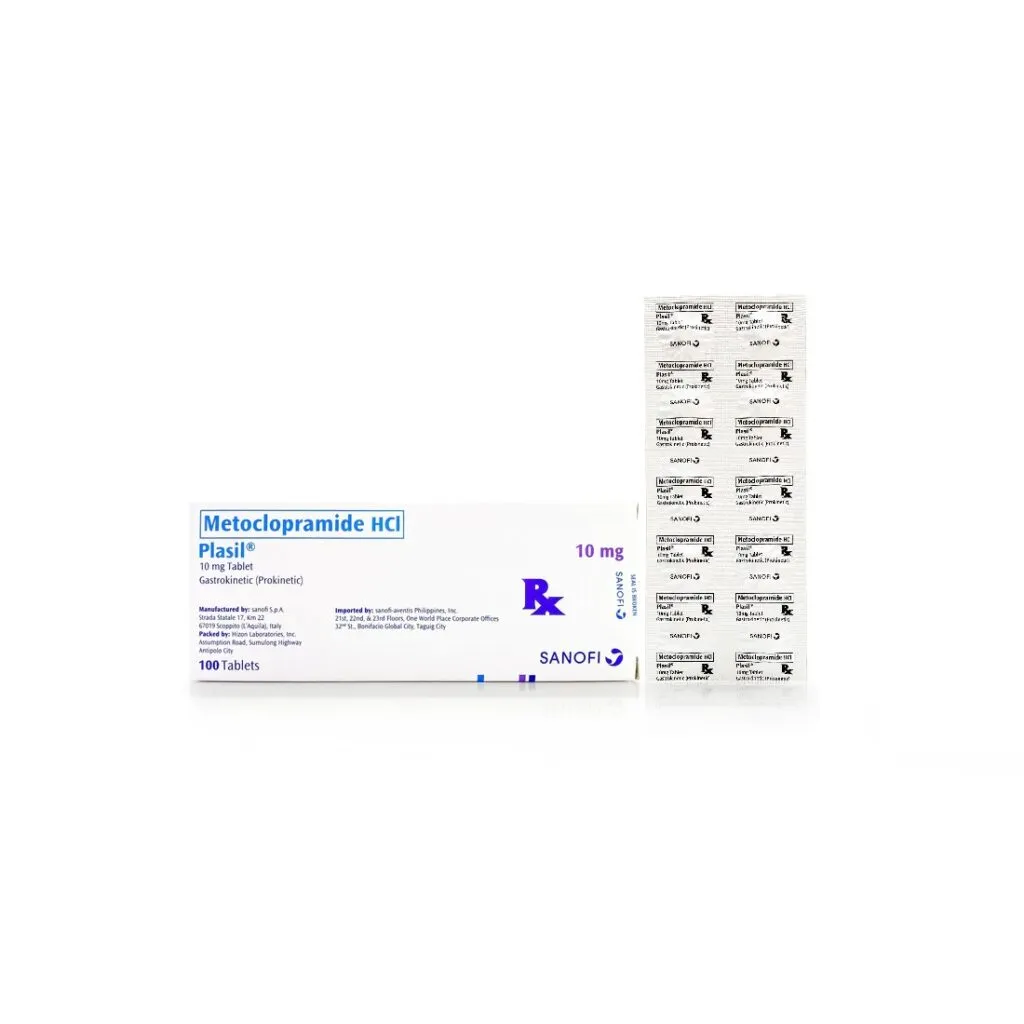
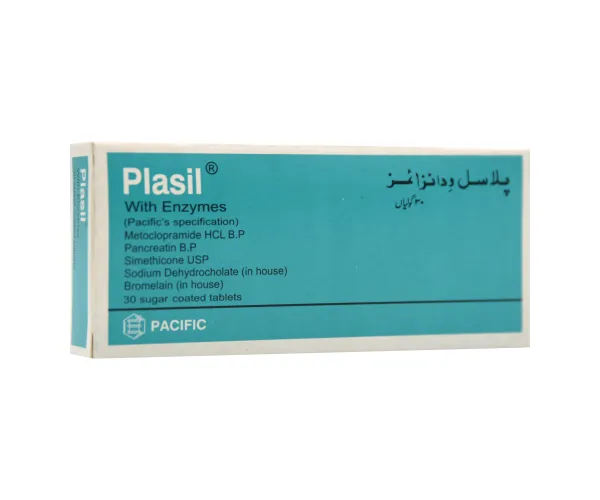
Plasil, the brand name for the generic drug metoclopramide, is a potent pharmacological agent primarily utilized for its antiemetic and prokinetic properties. Within the clinical landscape, it serves as a cornerstone treatment for various gastrointestinal motility disorders and the management of nausea and vomiting. This guide provides an exhaustive review of its pharmacological profile, clinical application, and safety considerations.
1. Mechanism of Action: How Plasil Works
Plasil functions through a complex interaction with receptors in both the central nervous system (CNS) and the gastrointestinal (GI) tract. Understanding its mechanism is essential for recognizing its therapeutic effects and its potential for adverse neurological events.
Dopamine Receptor Antagonism
Plasil is a potent antagonist of dopamine D2 receptors. By blocking these receptors in the chemoreceptor trigger zone (CTZ) of the area postrema in the brain, it effectively inhibits the signal transmission that triggers the vomiting reflex.
Serotonergic Modulation
At higher concentrations, Plasil also acts as a 5-HT4 receptor agonist and a 5-HT3 receptor antagonist. This dual action is critical for its prokinetic effects, as it enhances the release of acetylcholine in the enteric nervous system, thereby stimulating gastric emptying and intestinal motility.
Summary of Pharmacological Effects
| Effect | Target Site | Physiological Outcome |
|---|---|---|
| Antiemetic | Area Postrema (CTZ) | Suppression of nausea/vomiting |
| Prokinetic | Enteric Nervous System | Increased gastric emptying |
| Lower Esophageal Pressure | Lower Esophageal Sphincter | Increased tone (reduces reflux) |
2. Pharmacokinetics
The efficacy of Plasil is determined by its rapid absorption and distribution profile.
- Absorption: Rapidly absorbed following oral administration. Bioavailability ranges from 60% to 80% due to first-pass metabolism.
- Distribution: Widely distributed throughout body tissues; it crosses the blood-brain barrier and the placenta.
- Metabolism: Primarily hepatic via conjugation and oxidation.
- Excretion: Primarily renal, with approximately 85% of the dose excreted in urine as metabolites or unchanged drug.
- Half-life: Typically 5 to 6 hours in patients with normal renal function.
3. Clinical Indications and Usage
Plasil is indicated for several distinct clinical conditions, primarily those involving gastric stasis or nausea.
Gastrointestinal Disorders
- Diabetic Gastroparesis: Management of symptoms associated with delayed gastric emptying, such as postprandial fullness, nausea, and vomiting.
- Gastroesophageal Reflux Disease (GERD): Used as an adjunct therapy for patients who fail to respond to conventional acid-suppression therapy.
- Post-operative Nausea and Vomiting (PONV): Short-term prevention or treatment following surgical procedures.
- Chemotherapy-Induced Nausea and Vomiting (CINV): Often used in combination with other antiemetics to prevent emesis associated with emetogenic chemotherapy.
4. Dosage Guidelines
Dosage must be individualized based on the patient's age, renal function, and the clinical indication.
Adult Dosing Table
| Condition | Dosage | Frequency |
|---|---|---|
| Diabetic Gastroparesis | 10 mg | 30 minutes before meals and at bedtime |
| GERD | 10 mg | 30 minutes before meals and at bedtime |
| Nausea/Vomiting (Prevention) | 10 mg | Every 6 hours as needed |
Note: Treatment duration for gastroparesis should generally not exceed 12 weeks due to the risk of tardive dyskinesia.
5. Contraindications and Risks
Despite its efficacy, Plasil carries significant risks that necessitate careful patient selection.
Absolute Contraindications
- Gastrointestinal Obstruction: Mechanical obstruction or perforation.
- Hemorrhage: Active gastrointestinal bleeding.
- Epilepsy: May increase the frequency and severity of seizures.
- Pheochromocytoma: Risk of hypertensive crisis.
- Tardive Dyskinesia: History of drug-induced movement disorders.
Black Box Warning: Tardive Dyskinesia
Chronic use of Plasil is associated with the development of tardive dyskinesia, a potentially irreversible movement disorder characterized by involuntary, repetitive movements of the tongue, face, or extremities. The risk is significantly higher in the elderly, particularly women, and increases with the duration of treatment and cumulative dose.
6. Drug Interactions
Plasil interacts with several classes of medications, requiring careful monitoring:
- CNS Depressants: Alcohol, sedatives, and hypnotics may cause additive central nervous system depression.
- Anticholinergics: These agents antagonize the prokinetic effects of Plasil.
- Dopaminergic Agonists: Drugs like levodopa may have their effects antagonized by Plasil.
- SSRIs: Concomitant use may increase the risk of extrapyramidal symptoms.
7. Pregnancy and Lactation
- Pregnancy: Plasil is categorized as Pregnancy Category B. It is generally considered safe for use during pregnancy when clinically indicated, though it should be used only if the potential benefit justifies the potential risk to the fetus.
- Lactation: Metoclopramide is excreted in breast milk. While it has been used to increase milk supply, it should be used with caution, monitoring the infant for irritability or sedation.
8. Overdose Management
Symptoms of overdose include drowsiness, confusion, irritability, and extrapyramidal reactions (e.g., dystonia, torticollis).
- Management: There is no specific antidote. Treatment is supportive.
- Acute Dystonic Reactions: Diphenhydramine (Benadryl) or benztropine may be administered via IV/IM to manage acute extrapyramidal symptoms.
- Monitoring: Continuous cardiac and vital sign monitoring is required.
9. Frequently Asked Questions (FAQ)
1. Is Plasil an antibiotic?
No, Plasil is not an antibiotic. It is a prokinetic and antiemetic agent used to treat digestive issues and nausea.
2. Can I take Plasil for a long time?
Long-term use (beyond 12 weeks) is generally discouraged due to the risk of developing irreversible movement disorders like tardive dyskinesia.
3. What should I do if I miss a dose?
Take the missed dose as soon as you remember. If it is close to your next scheduled dose, skip the missed one. Do not take two doses at once.
4. Does Plasil cause drowsiness?
Yes, drowsiness is a common side effect. Avoid driving or operating heavy machinery until you know how the medication affects you.
5. Can children take Plasil?
It is used in pediatrics, but only under strict medical supervision and at weight-based dosages, as children are more susceptible to side effects.
6. Does it interact with alcohol?
Yes, alcohol can significantly increase the sedative effects of Plasil and should be avoided.
7. How quickly does Plasil start working?
When taken orally, the effects usually begin within 30 to 60 minutes.
8. Is Plasil effective for motion sickness?
Plasil is generally not the first-line treatment for motion sickness; antihistamines are typically preferred for this purpose.
9. Can I take Plasil if I have high blood pressure?
Patients with pheochromocytoma should not take Plasil as it can trigger a hypertensive crisis. Always consult your physician.
10. What are the signs of an allergic reaction?
Seek immediate medical attention if you experience hives, difficulty breathing, or swelling of the face, lips, or tongue.
Conclusion
Plasil (Metoclopramide) remains a vital tool in the management of gastrointestinal motility and nausea. However, its clinical utility must be balanced against the risk of neurological side effects. Healthcare providers should adhere to the principle of using the lowest effective dose for the shortest duration possible. Patients must be educated on the early warning signs of movement disorders to ensure safe and effective treatment outcomes.
Disclaimer: This guide is for informational purposes only and does not constitute medical advice. Always consult with a licensed healthcare professional before beginning or changing any medication regimen.