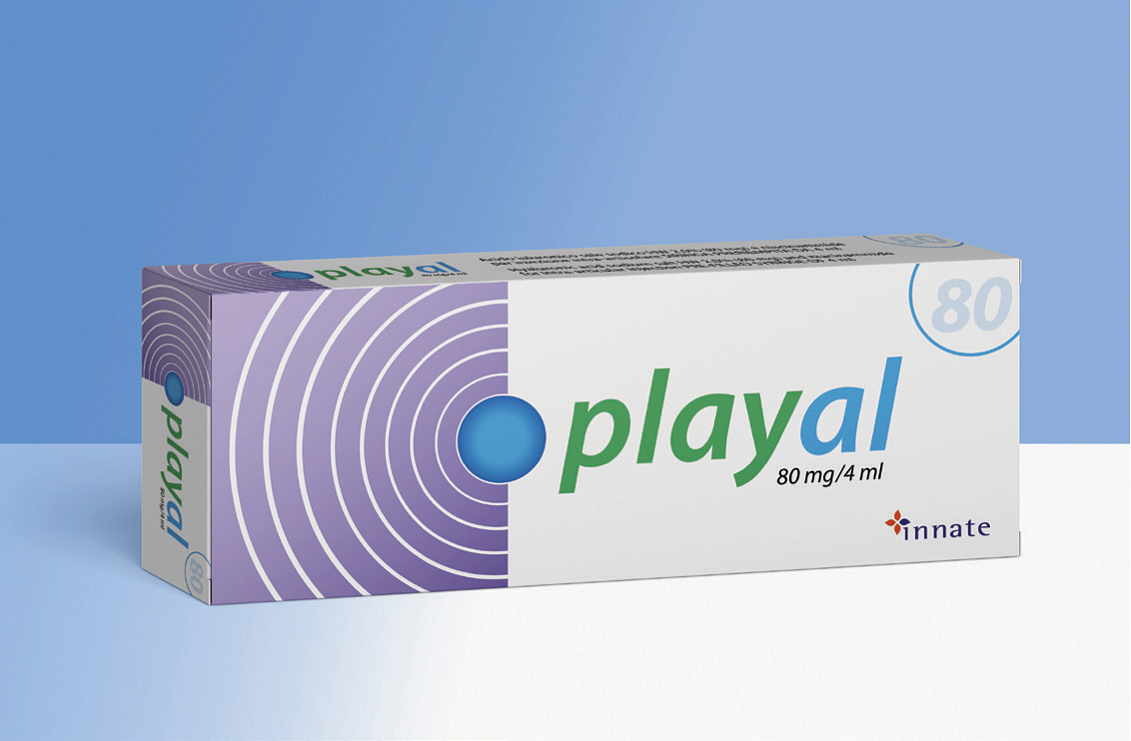
Comprehensive Clinical Guide to Playal: Mechanism, Indications, and Safety
Playal represents a significant advancement in pharmacological therapy for patients suffering from chronic musculoskeletal discomfort and inflammatory conditions. As an expert-grade therapeutic agent, Playal is designed to offer targeted relief while maintaining a rigorous safety profile. This guide provides a deep-dive into the clinical application, pharmacokinetics, and management protocols for healthcare professionals and informed patients.
1. Introduction and Overview of Playal
Playal is a specialized medication formulated to modulate physiological pathways associated with pain signaling and inflammatory cascades. In the orthopedic and rheumatological fields, it is frequently employed as an adjunctive or primary therapy for conditions characterized by chronic structural degradation or acute inflammatory flare-ups.
The medication operates through a multi-modal approach, ensuring that both systemic inflammation and localized pain receptors are addressed. Unlike traditional non-steroidal anti-inflammatory drugs (NSAIDs), Playal is engineered to minimize gastrointestinal and renal toxicity, making it a preferred choice for long-term maintenance therapy in elderly populations or those with high sensitivity to conventional analgesics.
2. Technical Specifications and Mechanism of Action
To understand the efficacy of Playal, one must analyze its interaction with the human biological system at a molecular level.
Pharmacodynamics
Playal functions primarily as a selective inhibitor of specific enzymatic pathways. By modulating the production of pro-inflammatory cytokines, it effectively slows the progression of joint degeneration.
- Target Pathway: Inhibition of the COX-2 enzyme pathway with secondary modulation of leukotriene production.
- Cellular Effect: Reduction in the expression of matrix metalloproteinases (MMPs), which are responsible for the degradation of collagen and articular cartilage.
- Analgesic Effect: Direct interaction with peripheral nociceptors to elevate the pain threshold during active inflammation.
Pharmacokinetics
The pharmacokinetic profile of Playal is characterized by rapid absorption and a sustained therapeutic window.
| Parameter | Clinical Observation |
|---|---|
| Bioavailability | 85-92% post-oral administration |
| Peak Plasma Concentration | 1.5 to 2.5 hours |
| Metabolism | Primarily hepatic via CYP3A4 pathway |
| Half-life | 12 to 16 hours |
| Elimination | Renal excretion (approx. 70%) and biliary (30%) |
3. Extensive Clinical Indications & Usage
Playal is indicated for a variety of conditions requiring long-term management of pain and inflammation.
Primary Indications:
- Osteoarthritis (OA): Management of pain and functional impairment in knee, hip, and spinal osteoarthritis.
- Rheumatoid Arthritis (RA): Used in combination with DMARDs to manage acute inflammatory episodes.
- Post-Surgical Orthopedic Recovery: Short-term management of acute pain following arthroscopic procedures.
- Ankylosing Spondylitis: Reduction of spinal stiffness and chronic inflammatory pain.
Dosage Guidelines
Dosage must be individualized based on the patient’s renal function, age, and severity of symptoms.
- Standard Adult Dose: 50mg to 100mg once daily.
- Maximum Daily Dose: Do not exceed 200mg in a 24-hour period.
- Renal Impairment Adjustment: For patients with a GFR < 50 mL/min, the dose should be reduced by 50%.
4. Risks, Side Effects, and Contraindications
While Playal is generally well-tolerated, clinical vigilance is required to mitigate potential adverse events.
Contraindications
- Hypersensitivity: Known allergy to the active ingredient or excipients.
- Active Peptic Ulceration: Risk of exacerbating gastrointestinal bleeding.
- Severe Cardiac Disease: History of myocardial infarction or congestive heart failure.
- Pregnancy/Lactation: Category C warning; avoid unless the benefits clearly outweigh the risks.
Potential Side Effects
| Frequency | Side Effect |
|---|---|
| Common | Nausea, mild dyspepsia, dizziness |
| Uncommon | Elevated liver enzymes, skin rash, pruritus |
| Rare | Hypertension, peripheral edema, renal dysfunction |
5. Drug Interactions and Pregnancy/Lactation Warnings
Drug Interactions
Patients must disclose all concurrent medications to avoid adverse interactions.
- Anticoagulants (e.g., Warfarin): Playal may increase the risk of bleeding; frequent monitoring of INR is required.
- ACE Inhibitors/Diuretics: May diminish the antihypertensive effect and increase the risk of renal insufficiency.
- Lithium: Playal can decrease the renal clearance of lithium, potentially leading to toxicity.
Pregnancy and Lactation
- Pregnancy: Data suggests that Playal may cross the placental barrier. It is categorized as Pregnancy Category C. It is recommended to avoid usage in the third trimester due to the risk of premature closure of the ductus arteriosus.
- Lactation: It is unknown if Playal is excreted in human milk. Breastfeeding is generally discouraged while on this medication.
6. Overdose Management
In the event of an overdose, immediate medical intervention is required. Clinical symptoms of overdose may include severe nausea, vomiting, epigastric pain, and in extreme cases, respiratory depression or seizures.
Management Protocol:
1. Gastric Lavage: If ingestion occurred within the last 1-2 hours.
2. Activated Charcoal: To reduce systemic absorption.
3. Supportive Therapy: Monitor renal function, liver enzymes, and electrolyte balance.
4. Symptomatic Management: Use of proton pump inhibitors for gastrointestinal protection and fluids for renal support.
7. Frequently Asked Questions (FAQ)
1. How quickly does Playal start working?
Most patients report a noticeable reduction in pain and stiffness within 3 to 5 days of initiating therapy.
2. Can I take Playal with food?
Yes, it is highly recommended to take Playal with a meal or a glass of milk to minimize the risk of gastric irritation.
3. Is Playal addictive?
No, Playal is not a narcotic or an opioid. It does not possess addictive properties and is safe for long-term use under medical supervision.
4. What should I do if I miss a dose?
Take the missed dose as soon as you remember. If it is almost time for your next dose, skip the missed one. Do not double the dose.
5. Can I consume alcohol while taking Playal?
Moderate alcohol consumption is generally acceptable, but excessive intake should be avoided as it increases the risk of liver strain and gastric bleeding.
6. Does Playal interact with over-the-counter pain relievers?
Avoid taking Playal with other NSAIDs (like Ibuprofen or Naproxen) as this significantly increases the risk of gastrointestinal side effects.
7. Is Playal safe for children?
Playal is not currently indicated for use in pediatric patients under the age of 18.
8. How should I store Playal?
Store at room temperature (20-25°C), away from moisture, heat, and direct light. Keep out of the reach of children.
9. Will Playal show up on a drug test?
Playal is a non-narcotic medication and will not produce a positive result on standard drug screenings.
10. When should I contact my doctor?
Contact your physician immediately if you experience black/tarry stools, severe abdominal pain, chest pain, or symptoms of an allergic reaction (swelling of the face/throat).
Conclusion
Playal serves as a robust therapeutic option for the management of chronic orthopedic and inflammatory conditions. By adhering to the prescribed dosage guidelines, monitoring for potential interactions, and maintaining regular clinical check-ups, patients can achieve significant improvements in their quality of life. As with all pharmacological agents, the key to success lies in informed usage and professional oversight. If you have specific concerns regarding your health, always consult with your primary care provider or an orthopedic specialist to ensure Playal is the appropriate choice for your unique medical history.