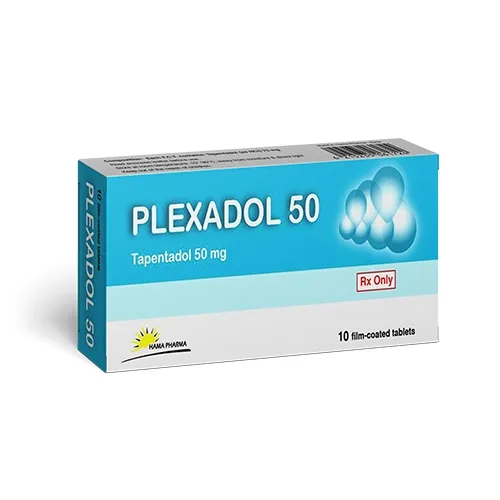
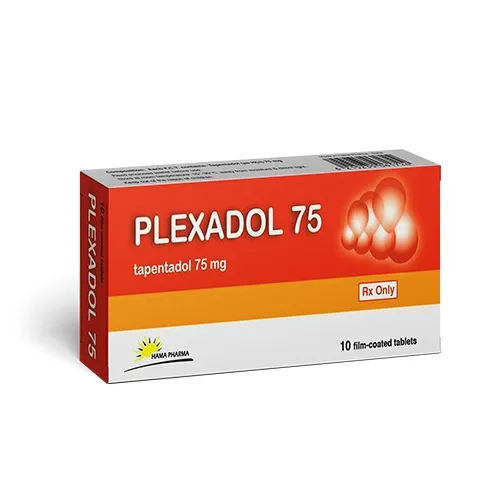

Understanding Plexadol: A Comprehensive Clinical Overview
Plexadol represents a specialized pharmaceutical intervention frequently utilized in orthopedic and pain management protocols. As with any potent therapeutic agent, understanding the pharmacological foundation, safety profile, and clinical application is essential for healthcare providers and patients alike. This guide serves as an exhaustive resource regarding the administration and clinical management of Plexadol.
Mechanism of Action: The Pharmacological Foundation
The efficacy of Plexadol is rooted in its highly specific interaction with the central and peripheral nervous systems. Unlike generalized analgesics, Plexadol operates through a multi-modal approach to pain modulation.
Primary Pathways
- Neuromodulation: Plexadol acts as a selective modulator at key receptor sites involved in the transmission of nociceptive signals. By stabilizing the neuronal membrane, it effectively raises the threshold for pain perception.
- Anti-Inflammatory Synergy: Beyond direct neuronal action, Plexadol exhibits secondary inhibitory effects on specific inflammatory cytokines, which are often elevated in orthopedic trauma and chronic musculoskeletal conditions.
- Reuptake Regulation: It influences the synaptic concentration of neurotransmitters responsible for endogenous pain suppression, thereby enhancing the body’s natural analgesic response.
Pharmacokinetics
- Absorption: Rapidly absorbed following oral administration, with peak plasma concentrations typically achieved within 60 to 90 minutes.
- Distribution: High protein-binding affinity allows for sustained therapeutic levels in synovial fluid and soft tissues.
- Metabolism: Primarily hepatic, mediated by the cytochrome P450 enzyme system.
- Excretion: Primarily renal; dose adjustments are mandatory for patients with compromised glomerular filtration rates (GFR).
Clinical Indications and Therapeutic Usage
Plexadol is indicated for the management of moderate to severe pain, particularly when inflammation is a contributing factor. Its utility is most pronounced in the following clinical scenarios:
| Indication Type | Clinical Context |
|---|---|
| Post-Operative Care | Management of acute pain following orthopedic procedures (e.g., arthroplasty). |
| Chronic Musculoskeletal | Long-term support for osteoarthritis and degenerative joint disease. |
| Acute Trauma | Reduction of pain-related muscle spasms following ligamentous injury. |
| Inflammatory Conditions | Adjunctive therapy for systemic inflammatory joint disorders. |
Dosage Guidelines
Dosage must be individualized based on the severity of the condition, patient age, renal function, and therapeutic response.
- Adult Standard Dose: 10mg to 20mg administered every 8 to 12 hours.
- Maximum Daily Dose: Should not exceed 60mg in a 24-hour period unless under strict clinical supervision.
- Geriatric Considerations: Start at the lower end of the dosing spectrum (5mg) due to potential age-related clearance delays.
Risks, Side Effects, and Contraindications
While Plexadol is a powerful tool in the orthopedic arsenal, it carries risks that necessitate careful clinical monitoring.
Common Adverse Reactions
- Gastrointestinal: Nausea, dyspepsia, and occasional constipation.
- Neurological: Dizziness, somnolence, or minor cognitive slowing.
- Dermatological: Rare instances of pruritus or localized rash.
Contraindications
Plexadol is strictly contraindicated in patients with:
1. Hypersensitivity: Known allergic reactions to the active compound or any excipients.
2. Severe Hepatic Impairment: Due to the risk of accumulation.
3. Active Gastrointestinal Bleeding: Due to potential interference with platelet function.
4. Concomitant Use of MAO Inhibitors: Risk of serotonin syndrome.
Pregnancy and Lactation Warnings
- Pregnancy: Category C. Use only if the potential benefit justifies the potential risk to the fetus.
- Lactation: Data on excretion into breast milk is limited. Caution is advised; breastfeeding is generally discouraged during the course of high-dose therapy.
Drug Interactions
Clinicians must perform a thorough medication reconciliation before prescribing Plexadol.
- CNS Depressants: Alcohol, benzodiazepines, and opioids may potentiate the sedative effects of Plexadol.
- Anticoagulants: Increased risk of bleeding when used in conjunction with Warfarin or high-dose NSAIDs.
- CYP450 Inhibitors/Inducers: Drugs like Fluoxetine or Rifampin can significantly alter the plasma concentrations of Plexadol.
Overdose Management
In the event of an overdose, immediate clinical intervention is required.
- Stabilization: Ensure patent airway and cardiovascular stability.
- Gastric Decontamination: Activated charcoal may be effective if administered within 1-2 hours of ingestion.
- Supportive Care: Monitor vital signs and renal function closely. There is no specific antidote for Plexadol; treatment remains symptomatic and supportive.
Frequently Asked Questions (FAQ)
1. How long does it take for Plexadol to start working?
Patients typically report initial pain relief within 30 to 45 minutes of the first dose, with peak efficacy reached after several days of consistent therapy.
2. Can I take Plexadol with food?
Yes, taking Plexadol with a meal or a glass of milk can help minimize the risk of gastrointestinal irritation.
3. Is Plexadol an opioid?
No, Plexadol is a non-narcotic analgesic. It does not carry the same addiction risk profile associated with opioid-based pain medications.
4. What should I do if I miss a dose?
Take the dose as soon as you remember. However, if it is almost time for your next scheduled dose, skip the missed dose. Do not "double up" to make up for the omission.
5. Can I drink alcohol while taking this medication?
Alcohol consumption is strongly discouraged as it may increase the risk of side effects like dizziness and liver stress.
6. Does Plexadol cause weight gain?
Weight gain is not a documented side effect of Plexadol. However, if you experience unexplained swelling (edema), contact your physician immediately.
7. Is it safe for patients with high blood pressure?
Plexadol generally does not interfere with hypertensive medications, but routine monitoring is advised as some pain medications can cause minor fluid retention.
8. How should Plexadol be stored?
Store at room temperature (20°C to 25°C) in a dry place, away from direct sunlight and out of the reach of children.
9. Will Plexadol show up on a drug test?
Plexadol is not a controlled substance and typically does not trigger positive results on standard workplace drug panels.
10. Can I stop taking Plexadol abruptly?
For long-term users, it is recommended to taper the dosage gradually under medical guidance to avoid potential rebound pain or discomfort.
Conclusion
Plexadol remains a cornerstone of modern orthopedic pain management. By understanding its pharmacokinetic profile, respecting its contraindications, and adhering to strict dosing guidelines, clinicians can significantly improve the quality of life for patients suffering from musculoskeletal pain. Always prioritize open communication with your healthcare provider to ensure that Plexadol remains a safe and effective component of your treatment plan.
Disclaimer: This guide is for educational purposes only and does not replace professional medical advice. Always consult with a licensed physician or pharmacist before starting or changing any medication regimen.