

Understanding Ponstan: A Comprehensive Clinical Overview
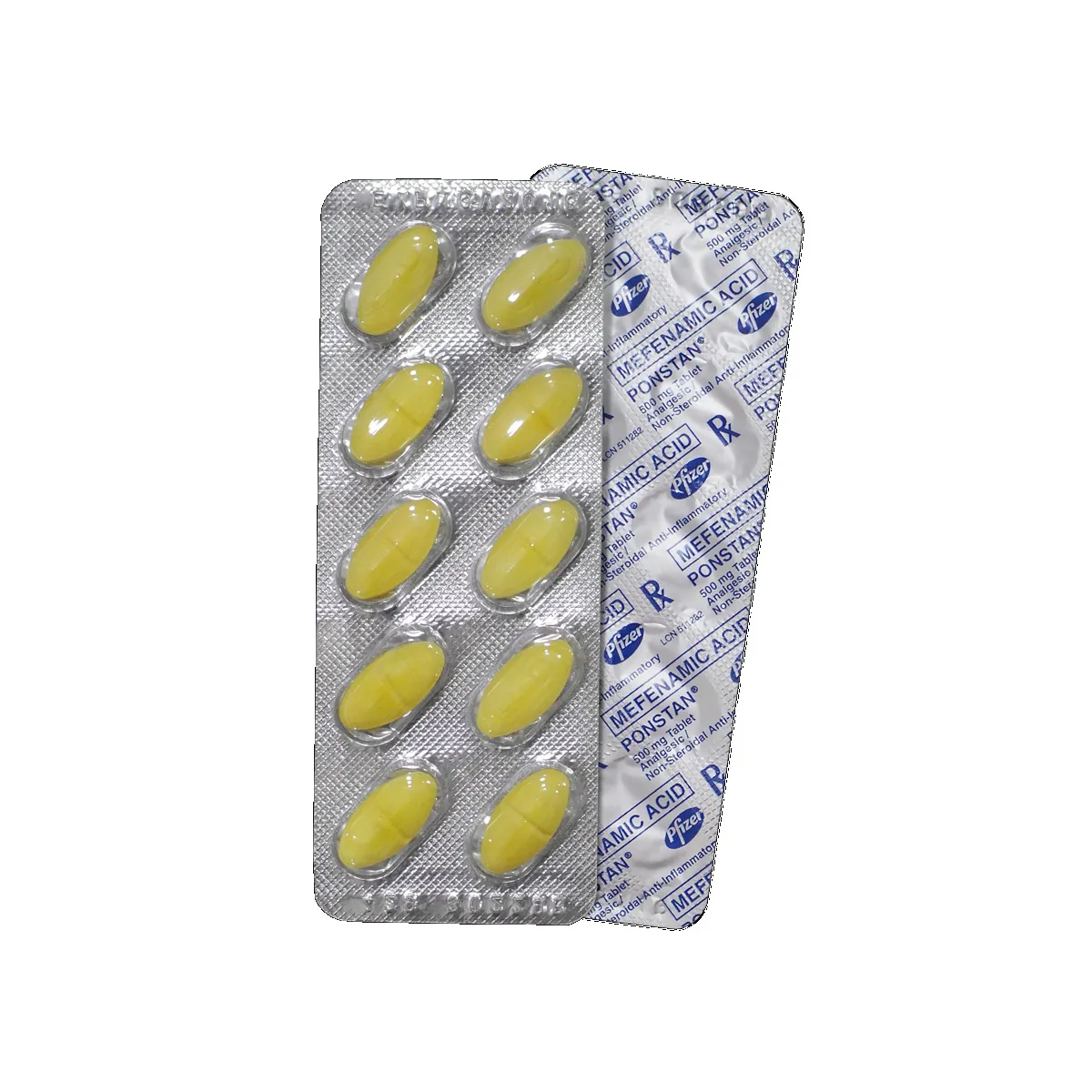
Ponstan, known generically as Mefenamic Acid, is a potent member of the fenamate class of Non-Steroidal Anti-Inflammatory Drugs (NSAIDs). Widely utilized in orthopedic and general practice, it is primarily prescribed for the management of mild to moderate pain, including acute musculoskeletal injuries, dysmenorrhea (menstrual pain), and dental pain. Unlike many other NSAIDs, Ponstan exhibits a unique profile that makes it particularly effective in conditions where prostaglandin mediation is a primary driver of symptom intensity.
This guide serves as a clinical resource for understanding the pharmacodynamics, therapeutic applications, and safety profile of Mefenamic Acid.
Mechanism of Action: The Science Behind the Relief
To understand how Ponstan works, one must look at the arachidonic acid cascade. Ponstan acts as a reversible inhibitor of the cyclooxygenase (COX) enzymes, specifically COX-1 and COX-2.
The Prostaglandin Inhibition Pathway
- Enzyme Inhibition: By inhibiting COX enzymes, Ponstan prevents the conversion of arachidonic acid into cyclic endoperoxides.
- Prostaglandin Reduction: This blockage leads to a significant reduction in the synthesis of prostaglandins—lipid compounds that act as local mediators of inflammation, pain, and fever.
- Dual Action: Unlike some selective COX-2 inhibitors, Ponstan acts on both peripheral and central pain pathways. It not only reduces the inflammatory response at the site of injury but also appears to exert an analgesic effect by antagonizing prostaglandin receptors directly.
Pharmacokinetics: Absorption and Metabolism
Understanding how the body processes Mefenamic Acid is critical for dosage optimization.
| Parameter | Clinical Characteristic |
|---|---|
| Absorption | Rapidly absorbed from the gastrointestinal tract following oral administration. |
| Peak Plasma Time | Typically reaches peak plasma concentrations within 2 to 4 hours. |
| Protein Binding | Highly bound to plasma albumin (approx. 90%). |
| Metabolism | Primarily metabolized in the liver via the CYP2C9 enzyme system. |
| Half-life | Approximately 2 to 4 hours, requiring multiple daily doses. |
| Excretion | Primarily excreted in urine (50%) and feces (20%). |
Clinical Indications and Usage
Ponstan is indicated for short-term therapy (usually not exceeding 7 days) to manage acute pain states.
Primary Indications
- Dysmenorrhea: One of the most common applications. Mefenamic acid is specifically effective due to its ability to inhibit uterine prostaglandin synthesis.
- Musculoskeletal Pain: Used in orthopedic settings for sprains, strains, and mild post-operative pain.
- Dental Pain: Frequently prescribed following oral surgery or extractions to manage inflammatory pain.
- Soft Tissue Injury: Effective in managing inflammation associated with sports-related trauma.
Dosage Guidelines
Dosage must be individualized based on the severity of the condition and the patient’s clinical response.
- Adults and Children >14 years: The standard dosage is 500 mg initially, followed by 250 mg every 6 hours as needed.
- Duration: Treatment should be kept to the shortest possible duration to minimize the risk of gastrointestinal toxicity.
- Administration: It is highly recommended to take Ponstan with food or milk to minimize gastric mucosal irritation.
Contraindications and Risks
As with all NSAIDs, the use of Ponstan carries systemic risks that must be weighed against the benefits.
Absolute Contraindications
- Hypersensitivity: Known allergy to Mefenamic Acid, aspirin, or other NSAIDs.
- Active Ulceration: Patients with active peptic ulcer disease or inflammatory bowel disease (Crohn’s, Ulcerative Colitis).
- Renal Impairment: Severe renal dysfunction, as NSAIDs can reduce renal perfusion.
- Coronary Artery Bypass Graft (CABG): Contraindicated in the setting of CABG surgery.
Potential Side Effects
- Gastrointestinal: Dyspepsia, nausea, diarrhea (a specific side effect associated with mefenamic acid), and abdominal pain.
- Cardiovascular: Potential for fluid retention and edema.
- Hematologic: Rare risks of anemia or thrombocytopenia with long-term use.
- Renal: Potential for nephrotoxicity in predisposed individuals.
Drug Interactions
Ponstan interacts with several common medications. Clinicians must screen for the following:
- Anticoagulants (e.g., Warfarin): May increase the risk of bleeding due to inhibition of platelet aggregation and gastric mucosal damage.
- Other NSAIDs/Aspirin: Increases the risk of gastrointestinal ulceration and bleeding.
- Lithium/Methotrexate: NSAIDs can reduce the renal clearance of these drugs, leading to potential toxicity.
- Antihypertensives: Ponstan can attenuate the blood-pressure-lowering effects of ACE inhibitors and diuretics.
Pregnancy and Lactation Warnings
- Pregnancy: Mefenamic acid is classified as Pregnancy Category C (and Category D in the third trimester). Use should be avoided, especially in late pregnancy, as it may cause premature closure of the ductus arteriosus in the fetus.
- Lactation: Mefenamic acid is excreted in breast milk. Caution is advised, and the potential benefits to the mother must outweigh the risks to the infant.
Overdose Management
Signs of overdose include lethargy, drowsiness, nausea, vomiting, and epigastric pain. Serious cases may involve gastrointestinal hemorrhage, hypertension, or acute renal failure.
Management Steps:
1. Immediate Intervention: Gastric lavage or activated charcoal may be considered if the ingestion is recent.
2. Supportive Care: Monitor vital signs and maintain adequate hydration.
3. Symptomatic Treatment: There is no specific antidote for Mefenamic Acid. Manage gastric symptoms with proton pump inhibitors and monitor renal function closely.
Frequently Asked Questions (FAQ)
1. Is Ponstan an antibiotic?
No, Ponstan is not an antibiotic. It is a non-steroidal anti-inflammatory drug (NSAID) used for pain relief and inflammation.
2. Can I take Ponstan on an empty stomach?
It is generally advised to take Ponstan with food or milk to reduce the risk of stomach irritation and gastrointestinal side effects.
3. How long does it take for Ponstan to start working?
Most patients begin to feel pain relief within 30 to 60 minutes after oral administration.
4. Can I take Ponstan with Paracetamol?
Yes, in many clinical settings, they can be used together, but you should consult a doctor to ensure there are no specific contraindications for your health profile.
5. Why does Ponstan cause diarrhea?
Diarrhea is a known, dose-dependent side effect of Mefenamic Acid. If it becomes persistent or severe, you should discontinue use and consult your physician.
6. Is Ponstan safe for long-term use?
No. Ponstan is intended for short-term use (usually up to 7 days). Long-term use increases the risk of serious side effects like stomach ulcers and kidney issues.
7. Can children take Ponstan?
It is generally not recommended for children under 14 years of age unless specifically directed by a pediatrician.
8. Does Ponstan affect blood pressure?
Yes, like other NSAIDs, it may cause fluid retention and potentially increase blood pressure in some patients.
9. What should I do if I miss a dose?
Take the missed dose as soon as you remember. However, if it is almost time for your next dose, skip the missed one. Never take a double dose to catch up.
10. Can I drink alcohol while taking Ponstan?
Combining alcohol with NSAIDs significantly increases the risk of gastrointestinal bleeding and stomach irritation. It is best to avoid alcohol while on this medication.
Disclaimer: This guide is for educational purposes only and does not constitute professional medical advice. Always consult with a licensed healthcare provider or pharmacist before starting any new medication.