

Comprehensive Guide to Profinal (Ibuprofen)
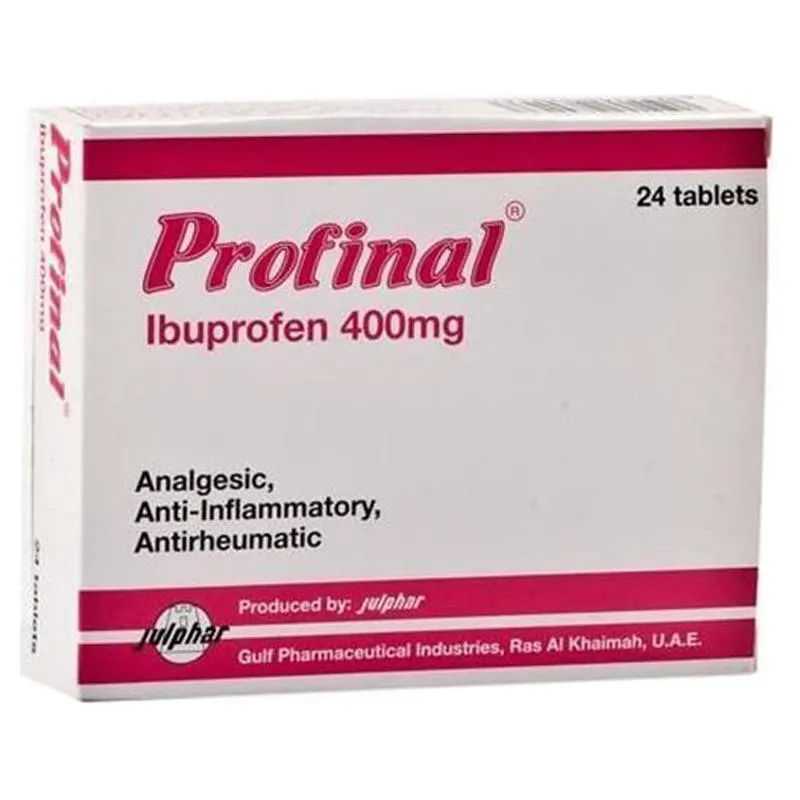
Profinal is a widely recognized brand name for Ibuprofen, a foundational non-steroidal anti-inflammatory drug (NSAID). In the field of orthopedics and general medicine, Profinal serves as a cornerstone therapy for the management of acute and chronic pain, musculoskeletal inflammation, and febrile conditions. This guide provides an exhaustive clinical overview of its pharmacological profile, therapeutic applications, and safety protocols.
1. Introduction and Overview
Profinal belongs to the propionic acid derivative class of NSAIDs. Since its development in the 1960s, it has become one of the most utilized medications worldwide due to its dual efficacy in managing both pain (analgesia) and inflammation. Whether treating a post-operative orthopedic procedure, rheumatoid arthritis, or simple tension headaches, Profinal is frequently the first-line pharmacologic intervention.
Clinical Profile
- Generic Name: Ibuprofen
- Drug Class: Non-Steroidal Anti-Inflammatory Drug (NSAID)
- Pharmacologic Action: Inhibition of Cyclooxygenase (COX) enzymes
- Primary Indications: Pain relief, fever reduction, anti-inflammatory support
2. Mechanism of Action and Pharmacokinetics
To understand why Profinal is effective, one must examine its interaction with the body’s inflammatory pathways.
The Mechanism of Action
Profinal exerts its therapeutic effects primarily through the non-selective inhibition of cyclooxygenase-1 (COX-1) and cyclooxygenase-2 (COX-2) enzymes.
- Arachidonic Acid Cascade: Under normal conditions, these enzymes catalyze the conversion of arachidonic acid into prostaglandins—hormones that signal pain, promote inflammation, and induce fever.
- Prostaglandin Suppression: By blocking the production of these prostaglandins, Profinal effectively lowers the pain threshold at the site of injury and reduces the systemic inflammatory response.
- Site Specificity: While COX-2 inhibition is responsible for the anti-inflammatory and analgesic effects, the simultaneous inhibition of COX-1 is what leads to the gastrointestinal side effects common to all traditional NSAIDs.
Pharmacokinetics
- Absorption: Rapidly absorbed from the gastrointestinal tract; peak plasma concentrations occur within 1–2 hours.
- Distribution: Highly protein-bound (approximately 99%), primarily to albumin.
- Metabolism: Hepatic metabolism via oxidation into inactive metabolites.
- Excretion: Primarily renal; 95% of the dose is excreted in urine within 24 hours.
- Half-life: Short half-life of approximately 2 hours, necessitating multiple daily doses for sustained relief.
3. Clinical Indications and Usage
Profinal is indicated for a broad spectrum of conditions. Its versatility makes it a staple in both the home medicine cabinet and the hospital setting.
| Indication Category | Specific Conditions |
|---|---|
| Orthopedics | Rheumatoid arthritis, osteoarthritis, ankylosing spondylitis, acute bursitis |
| Pain Management | Dental pain, dysmenorrhea, post-surgical pain, migraines |
| Soft Tissue Injury | Sprains, strains, tendonitis, sports-related trauma |
| Systemic | Fever (pyrexia), mild to moderate headaches, common cold symptoms |
Dosage Guidelines
Dosage must be individualized based on the severity of the condition and patient response.
- Adults: 200 mg to 400 mg every 4 to 6 hours. Do not exceed 1,200 mg per day for over-the-counter use unless directed by a physician. In clinical settings, maximum daily doses may reach 3,200 mg under strict supervision.
- Pediatrics: Dosage is typically weight-based (5–10 mg/kg) every 6 to 8 hours. Never exceed 40 mg/kg/day.
4. Risks, Side Effects, and Contraindications
While highly effective, Profinal is not without risks. Long-term usage or high doses significantly increase the probability of adverse events.
Common Side Effects
- Gastrointestinal: Nausea, dyspepsia, heartburn, and gastric ulcers.
- Central Nervous System: Dizziness, headache, and nervousness.
- Dermatological: Mild skin rashes or pruritus.
Severe Risks
- Cardiovascular: Increased risk of myocardial infarction or stroke, particularly in patients with pre-existing heart disease.
- Renal: Chronic use can lead to papillary necrosis or acute renal failure, especially in dehydrated patients.
- Gastrointestinal Bleeding: Profinal inhibits the protective prostaglandins in the stomach lining, increasing the risk of peptic ulcers and internal bleeding.
Contraindications
Profinal should be avoided in patients with:
* Known hypersensitivity to ibuprofen or other NSAIDs (including aspirin).
* History of asthma or bronchospasm triggered by NSAIDs.
* Active peptic ulcer disease or gastrointestinal bleeding.
* Severe hepatic or renal impairment.
* Perioperative pain management in the setting of coronary artery bypass graft (CABG) surgery.
5. Pregnancy, Lactation, and Drug Interactions
Pregnancy and Lactation
- Pregnancy: Profinal is generally avoided in the third trimester as it may cause premature closure of the ductus arteriosus in the fetus and potential renal dysfunction in the newborn.
- Lactation: Ibuprofen is considered compatible with breastfeeding as only minimal amounts are excreted in breast milk.
Significant Drug Interactions
| Interacting Drug | Potential Effect |
|---|---|
| Anticoagulants (e.g., Warfarin) | Increased risk of bleeding |
| ACE Inhibitors | Reduced antihypertensive effect and increased renal risk |
| Diuretics | Reduced diuretic efficacy |
| Corticosteroids | Increased risk of GI ulceration |
| Lithium | Increased serum lithium levels (toxicity risk) |
6. Overdose Management
An overdose of Profinal can be life-threatening. Symptoms include abdominal pain, nausea, vomiting, lethargy, and in severe cases, metabolic acidosis, hypotension, and seizures.
Management Protocol:
1. Decontamination: Gastric lavage or activated charcoal if the patient presents within 1–2 hours of ingestion.
2. Supportive Care: Maintenance of airway, breathing, and circulation (ABCs).
3. Renal Monitoring: Monitor urine output and serum creatinine levels.
4. Symptomatic Treatment: There is no specific antidote for ibuprofen; treatment is purely supportive.
7. Frequently Asked Questions (FAQ)
1. Is Profinal the same as Aspirin?
No. While both are NSAIDs, they are different chemical compounds. Aspirin is a salicylate, while Profinal is a propionic acid derivative.
2. Can I take Profinal on an empty stomach?
It is strongly recommended to take Profinal with food or milk to minimize the risk of gastric irritation.
3. How long does it take for Profinal to start working?
Most patients feel the analgesic effects within 30 to 60 minutes of ingestion.
4. Can children take Profinal?
Yes, but only in appropriate pediatric formulations and dosages. Always consult a pediatrician before administering.
5. Does Profinal help with muscle building?
Some research suggests that chronic, high-dose NSAID use may actually hinder muscle protein synthesis after heavy resistance training. Consult a sports medicine specialist.
6. Can I drink alcohol while taking Profinal?
Combining alcohol with Profinal significantly increases your risk of stomach bleeding and gastric ulcers. It is advised to avoid alcohol.
7. Is Profinal safe for people with high blood pressure?
NSAIDs can raise blood pressure and interfere with antihypertensive medications. Consult your doctor if you have hypertension.
8. What should I do if I miss a dose?
Take it as soon as you remember, unless it is close to your next scheduled dose. Do not "double up" to make up for a missed dose.
9. Can I take Profinal with other pain relievers?
Do not combine Profinal with other NSAIDs (like Naproxen or Diclofenac) as this increases the risk of side effects without providing additional pain relief.
10. Is Profinal addictive?
No, Profinal does not have addictive or narcotic properties. It does not cause physical dependence.
Conclusion
Profinal remains a gold-standard medication for the management of pain and inflammation. By understanding its mechanism, respecting its dosage limits, and being vigilant about potential drug interactions, patients can safely and effectively utilize this medication to improve their quality of life. Always prioritize consultation with a healthcare professional before beginning a long-term regimen.
Disclaimer: This guide is for educational purposes only and does not replace professional medical advice. Always consult with your physician or pharmacist regarding your specific health needs.