



Comprehensive Overview of Prolia (Denosumab)
Prolia, known generically as denosumab, represents a significant advancement in the pharmacological management of bone resorption disorders. As a human monoclonal antibody, it provides a targeted approach to inhibiting the progression of osteoporosis, particularly in postmenopausal women and individuals at high risk for bone fractures. By modulating the RANK/RANKL pathway, Prolia effectively reduces osteoclast activity, thereby preserving bone mineral density (BMD) and structural integrity.
Understanding the Clinical Significance
Osteoporosis is a systemic skeletal disease characterized by low bone mass and microarchitectural deterioration. Prolia is uniquely positioned in the orthopedic and rheumatological landscape as a potent antiresorptive agent. Unlike traditional bisphosphonates, which incorporate into the bone matrix, Prolia acts extracellularly, providing a reversible effect on bone turnover.
Technical Specifications and Mechanism of Action
The RANK/RANKL Pathway
The biological efficacy of Prolia is rooted in its highly specific binding to the RANK ligand (RANKL).
- RANKL (Receptor Activator of Nuclear Factor kappa-B Ligand): A protein expressed by osteoblasts and stromal cells that is essential for the formation, function, and survival of osteoclasts.
- Osteoclasts: Cells responsible for bone resorption (breakdown).
- The Prolia Interaction: Denosumab mimics the natural physiological inhibitor, osteoprotegerin (OPG). By binding to RANKL, it prevents the interaction between RANKL and the RANK receptor on the surface of osteoclast precursors.
Pharmacokinetics and Pharmacodynamics
| Feature | Description |
|---|---|
| Route of Administration | Subcutaneous injection |
| Bioavailability | Approximately 62% |
| Half-life | Mean of 25.4 days (range 6 to 52 days) |
| Metabolism | Degraded by the reticuloendothelial system |
| Steady State | Achieved after 6 months of dosing |
The pharmacodynamic effect is rapid, with a significant reduction in serum C-telopeptide (s-CTX) levels—a marker of bone resorption—observed within 12 hours post-injection.
Clinical Indications and Usage
Prolia is indicated for several distinct patient populations, primarily focusing on the mitigation of fracture risk.
Primary Indications
- Postmenopausal Osteoporosis: Indicated for the treatment of women with postmenopausal osteoporosis at high risk for fracture.
- Bone Loss in Cancer Therapy: Used to increase bone mass in men at high risk for fracture receiving androgen deprivation therapy for non-metastatic prostate cancer.
- Glucocorticoid-Induced Osteoporosis: Indicated for patients at high risk of fracture who are initiating or continuing systemic glucocorticoids.
- Bone Loss in Aromatase Inhibitor Therapy: Indicated for women at high risk for fracture receiving adjuvant aromatase inhibitor therapy for breast cancer.
Dosage Guidelines
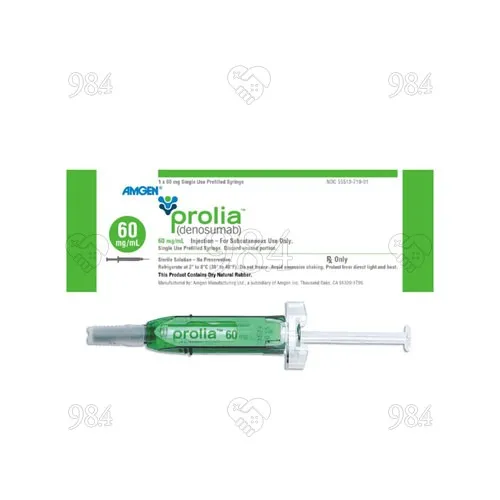
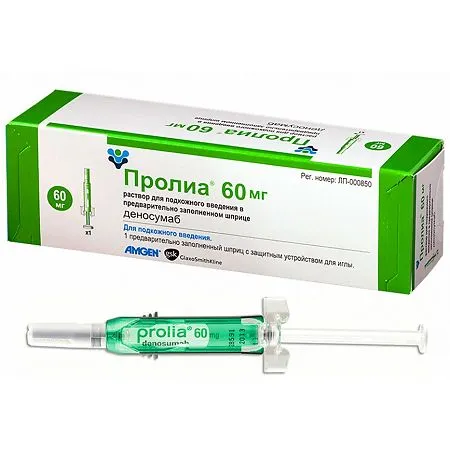
The standard dosage of Prolia is 60 mg administered once every 6 months.
- Administration Site: Subcutaneous injection into the upper arm, the upper thigh, or the abdomen.
- Calcium and Vitamin D: Patients must receive adequate calcium (1000 mg daily) and vitamin D (at least 400 IU daily) supplementation to prevent hypocalcemia.
- Injection Technique: The solution should be inspected visually for particulate matter and discoloration prior to administration.
Risks, Side Effects, and Contraindications
While Prolia is highly effective, it carries specific risks that clinicians must monitor closely.
Contraindications
- Hypocalcemia: Must be corrected before starting Prolia therapy.
- Hypersensitivity: Patients with a known history of severe hypersensitivity to denosumab or any component of the product.
- Pregnancy: Prolia is classified as Pregnancy Category D/X equivalents; it may cause fetal harm.
Adverse Reactions
| System | Potential Side Effect |
|---|---|
| Musculoskeletal | Back pain, extremity pain, musculoskeletal pain |
| Integumentary | Dermatitis, eczema, rashes |
| Infectious | Increased risk of skin infections (cellulitis) |
| Clinical/Laboratory | Hypocalcemia, atypical femoral fractures, osteonecrosis of the jaw (ONJ) |
Special Warnings: ONJ and Atypical Femur Fractures
Clinicians must advise patients to maintain good oral hygiene and perform dental examinations prior to treatment. Prolia has been associated with osteonecrosis of the jaw, particularly in patients with invasive dental procedures or poor oral health. Furthermore, atypical subtrochanteric and diaphyseal femoral fractures have been reported; patients should be instructed to report any new or unusual thigh, hip, or groin pain.
Pregnancy and Lactation
Prolia is strictly contraindicated during pregnancy. Denosumab is an immunoglobulin G2 (IgG2) monoclonal antibody, which can cross the placenta. Animal studies have shown that RANKL inhibition can cause skeletal growth retardation and lack of lymph node development in the fetus. Women of reproductive potential should be advised to use effective contraception during treatment and for at least 5 months after the final dose.
Overdose Management
There is no specific antidote for Prolia overdose. In cases of suspected overdose, the patient should be monitored for signs or symptoms of hypocalcemia (e.g., paresthesia, muscle spasms, laryngospasm, or tetany). Management should be supportive, including serum calcium monitoring and appropriate calcium/vitamin D supplementation as clinically indicated.
Frequently Asked Questions (FAQ)
1. How long can a patient stay on Prolia?
Prolia is typically prescribed for long-term use. However, clinical guidelines suggest periodic reassessment of fracture risk. Due to the "rebound effect" of rapid bone loss after discontinuation, clinicians often transition patients to a bisphosphonate after stopping Prolia.
2. Can I miss a dose of Prolia?
Missing a dose significantly increases the risk of bone density loss. If a dose is missed, it should be administered as soon as possible. Subsequent doses should then be scheduled 6 months from the date of the last injection.
3. What is the "rebound effect" after stopping Prolia?
When Prolia is discontinued, the inhibition of bone resorption is lost, and bone turnover markers often rise above baseline levels. This can lead to rapid BMD loss and an increased risk of multiple vertebral fractures. Never stop Prolia without consulting a doctor.
4. Is Prolia a hormone?
No, Prolia is not a hormone. It is a fully human monoclonal antibody that targets the RANK ligand protein.
5. Does Prolia cause jaw bone death?
Osteonecrosis of the jaw (ONJ) is a rare but serious side effect. It is more common in patients undergoing dental surgery or those with poor oral hygiene.
6. Do I need to stop Prolia before dental surgery?
It is recommended that patients complete necessary dental work before initiating Prolia. If dental surgery is required during treatment, the decision to pause Prolia should be made in consultation with the prescribing physician and the dentist.
7. How is Prolia stored?
Prolia must be kept in the refrigerator (2°C to 8°C / 36°F to 46°F) in its original carton. It should not be frozen or shaken.
8. Can Prolia be used in patients with kidney disease?
Prolia is not cleared by the kidneys, so no dose adjustment is required for patients with renal impairment. However, patients with severe renal impairment are at a higher risk of developing hypocalcemia.
9. How soon does Prolia start working?
Reductions in bone resorption markers can be detected within 12 hours of the first injection, but clinical improvements in bone density take months to manifest.
10. Is it safe to take supplements while on Prolia?
Yes, calcium and vitamin D supplementation are mandatory while on Prolia to maintain serum calcium levels and ensure the drug’s effectiveness.
Conclusion
Prolia (denosumab) is a cornerstone of modern osteoporosis treatment, offering a potent, convenient, and effective mechanism for reducing fracture risk. By understanding the underlying RANK/RANKL biology and adhering to strict clinical monitoring—specifically regarding calcium levels and oral health—healthcare providers can significantly improve the quality of life for patients with compromised bone health. Always consult with a qualified medical professional to determine if Prolia is the appropriate therapeutic choice for your specific clinical needs.