
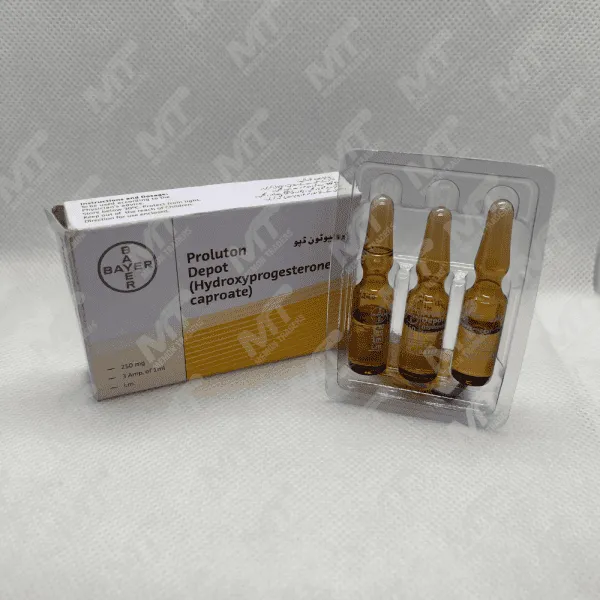
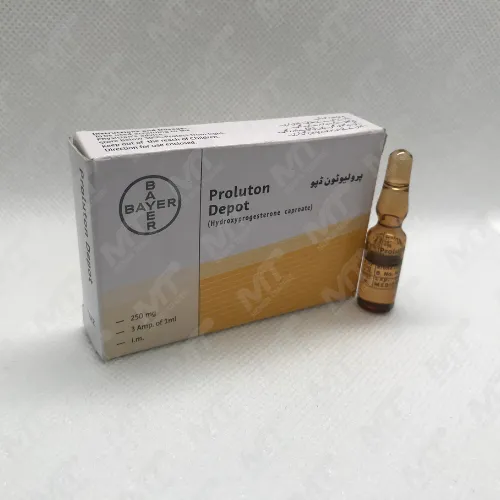
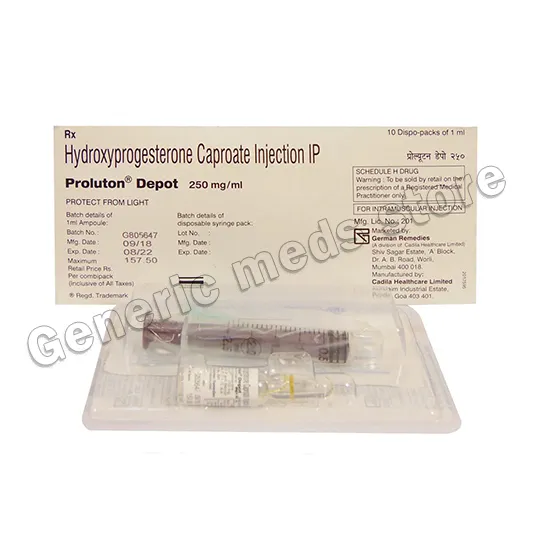

Comprehensive Guide to Proluton Depot (Hydroxyprogesterone Caproate)
Proluton Depot is a synthetic progestin medication that has played a significant role in reproductive medicine and endocrinology. Primarily recognized for its use in supporting pregnancy and treating various hormonal imbalances, it is a long-acting injectable form of hydroxyprogesterone caproate. This guide serves as a clinical resource for understanding its pharmacological profile, therapeutic applications, and safety protocols.
1. Introduction & Overview
Proluton Depot contains hydroxyprogesterone caproate, a derivative of the naturally occurring hormone progesterone. Unlike oral progesterone, which is rapidly metabolized, the caproate ester allows for a sustained-release effect, making it suitable for intramuscular administration. In the clinical landscape, it is most famously utilized for the prevention of preterm birth in women with a history of singleton spontaneous preterm delivery.
Key Pharmacological Facts
| Feature | Description |
|---|---|
| Generic Name | Hydroxyprogesterone Caproate |
| Drug Class | Synthetic Progestin |
| Route of Administration | Intramuscular (IM) Injection |
| Primary Indication | Recurrent Preterm Birth Prevention |
2. Deep-Dive: Mechanism of Action and Pharmacokinetics
Understanding how Proluton Depot functions requires a look at its interaction with the endocrine system.
Mechanism of Action
Hydroxyprogesterone caproate acts by binding to the progesterone receptor (PR). In the context of pregnancy, it helps maintain uterine quiescence—the state in which the uterus remains relaxed to prevent premature contractions. It exerts anti-inflammatory effects and modulates the expression of genes involved in cervical ripening and uterine contractility. By stabilizing the myometrium, it effectively delays the onset of labor.
Pharmacokinetics
- Absorption: Following intramuscular injection, the caproate ester provides a slow, steady release of hydroxyprogesterone into the systemic circulation.
- Distribution: It is highly protein-bound in the blood, primarily to albumin and corticosteroid-binding globulin.
- Metabolism: Hepatic metabolism occurs via reduction and conjugation.
- Excretion: Primarily excreted through the urine and feces.
- Half-life: Due to the depot formulation, the half-life is significantly longer than endogenous progesterone, typically ranging from 7 to 16 days depending on the individual.
3. Clinical Indications and Usage
Proluton Depot is not a "one-size-fits-all" medication. Its use is strictly regulated based on clinical history and hormonal requirements.
Primary Indications
- Prevention of Preterm Birth: Specifically indicated for women with a history of singleton spontaneous preterm birth to reduce the risk of recurrence.
- Luteal Phase Support: Used in assisted reproductive technology (ART) cycles to support the endometrium for embryo implantation.
- Treatment of Amenorrhea: Used in cases of secondary amenorrhea where a progestin challenge test is required.
- Hormonal Imbalance: Management of dysfunctional uterine bleeding or other conditions where progesterone deficiency is identified.
Dosage Guidelines
- Preterm Birth Prevention: Typically 250 mg administered once weekly by deep intramuscular injection, usually starting between 16 and 20 weeks of gestation and continuing until 37 weeks or delivery.
- Other Indications: Dosage varies significantly based on the severity of the condition and the patient’s clinical response. Always consult a specialist for individualized dosing.
4. Risks, Side Effects, and Contraindications
As with any hormonal therapy, Proluton Depot carries risks that must be weighed against the clinical benefits.
Common Side Effects
- Injection Site Reactions: Pain, swelling, or redness at the site of administration.
- Systemic Effects: Nausea, fatigue, headache, and mild fluid retention.
- Mood Changes: Some patients report irritability or depressive symptoms.
Serious Risks
- Thromboembolic Events: Increased risk of venous thromboembolism (VTE).
- Gestational Diabetes: Potential for altered glucose tolerance.
- Cholestatic Jaundice: Rare instances of liver enzyme elevation.
Contraindications
- Known hypersensitivity to hydroxyprogesterone caproate or castor oil.
- Active or history of thrombophlebitis or thromboembolic disorders.
- Known or suspected breast cancer or other hormone-sensitive cancers.
- Undiagnosed vaginal bleeding.
- Severe liver dysfunction.
5. Pregnancy and Lactation Warnings
- Pregnancy: Proluton Depot is specifically used to support pregnancy outcomes, but it should only be used under the strict supervision of an obstetrician. It is not indicated for the prevention of preterm birth in multiple gestations (twins, triplets).
- Lactation: Progestins are excreted in breast milk. While generally considered compatible with breastfeeding, the decision to use it while nursing should be made in consultation with a healthcare provider, balancing the benefits of lactation against potential hormonal exposure to the infant.
6. Overdose Management
While overdose is rare due to the controlled nature of IM injections administered by clinical staff, signs of excessive progesterone exposure include severe fluid retention, profound lethargy, and extreme mood fluctuations.
- Management: There is no specific antidote. Treatment is supportive. If an overdose is suspected, monitor vital signs and manage symptoms according to clinical protocols. Discontinue further injections immediately.
7. Frequently Asked Questions (FAQ)
1. Is Proluton Depot safe for every pregnant woman?
No. It is specifically intended for women who have had a previous spontaneous singleton preterm birth. It is not indicated for women with multiple gestations.
2. How is Proluton Depot administered?
It is administered via deep intramuscular injection, typically into the gluteal muscle (buttock).
3. Does this medication cause weight gain?
Some patients may experience mild fluid retention, which can be interpreted as weight gain, but this is generally temporary.
4. Can I use Proluton Depot if I have a history of blood clots?
Generally, no. A history of thromboembolic disease is a major contraindication due to the risk of exacerbating clotting tendencies.
5. What should I do if I miss a dose?
Contact your healthcare provider immediately. Missing a dose can interrupt the therapeutic levels required to maintain uterine stability.
6. Does it affect the baby?
Clinical studies have not shown an increased risk of birth defects associated with the use of hydroxyprogesterone caproate. However, it must only be used when clearly indicated.
7. How long does it take to work?
As a depot injection, it provides a slow release over the course of a week, ensuring consistent hormone levels.
8. Are there drug interactions I should be aware of?
Yes. Proluton Depot may interact with medications that induce or inhibit hepatic enzymes, such as certain anticonvulsants or rifampin. Always provide a full medication list to your doctor.
9. Is it painful?
The injection is deep intramuscular, so some discomfort at the site is common. Rotating injection sites can help minimize localized pain.
10. Does it treat morning sickness?
No. Proluton Depot is not indicated for the treatment of nausea or vomiting during pregnancy (morning sickness).
Conclusion
Proluton Depot remains a vital tool in the obstetrician’s arsenal for managing high-risk pregnancies. While its benefits in reducing recurrent preterm birth are significant, it requires careful patient selection, rigorous adherence to dosage schedules, and diligent monitoring for side effects. Always consult with a board-certified specialist before beginning or adjusting hormone-based therapies.
Disclaimer: This guide is for informational purposes only and does not constitute medical advice, diagnosis, or treatment. Always seek the advice of your physician or qualified health provider with any questions regarding a medical condition or medication.