
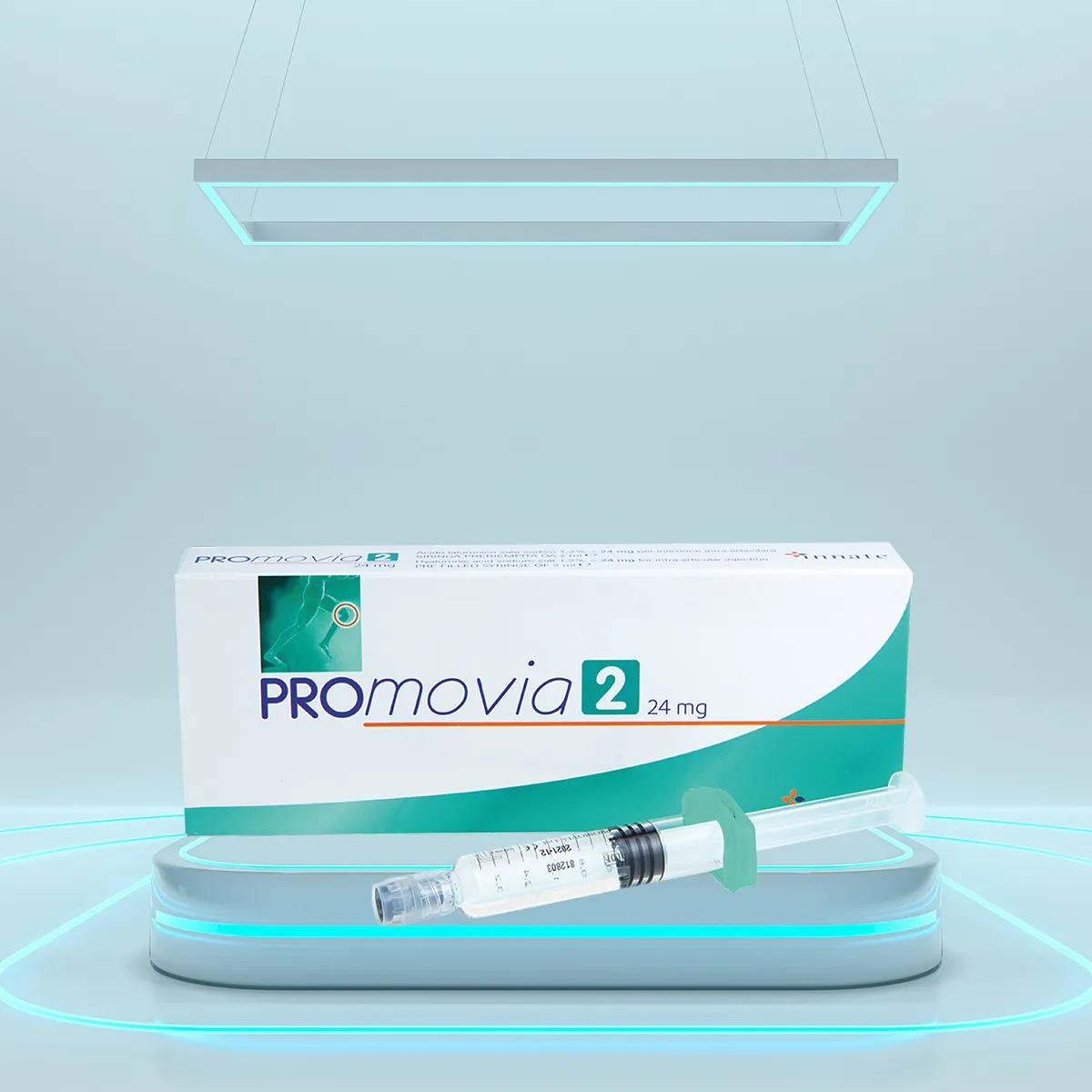
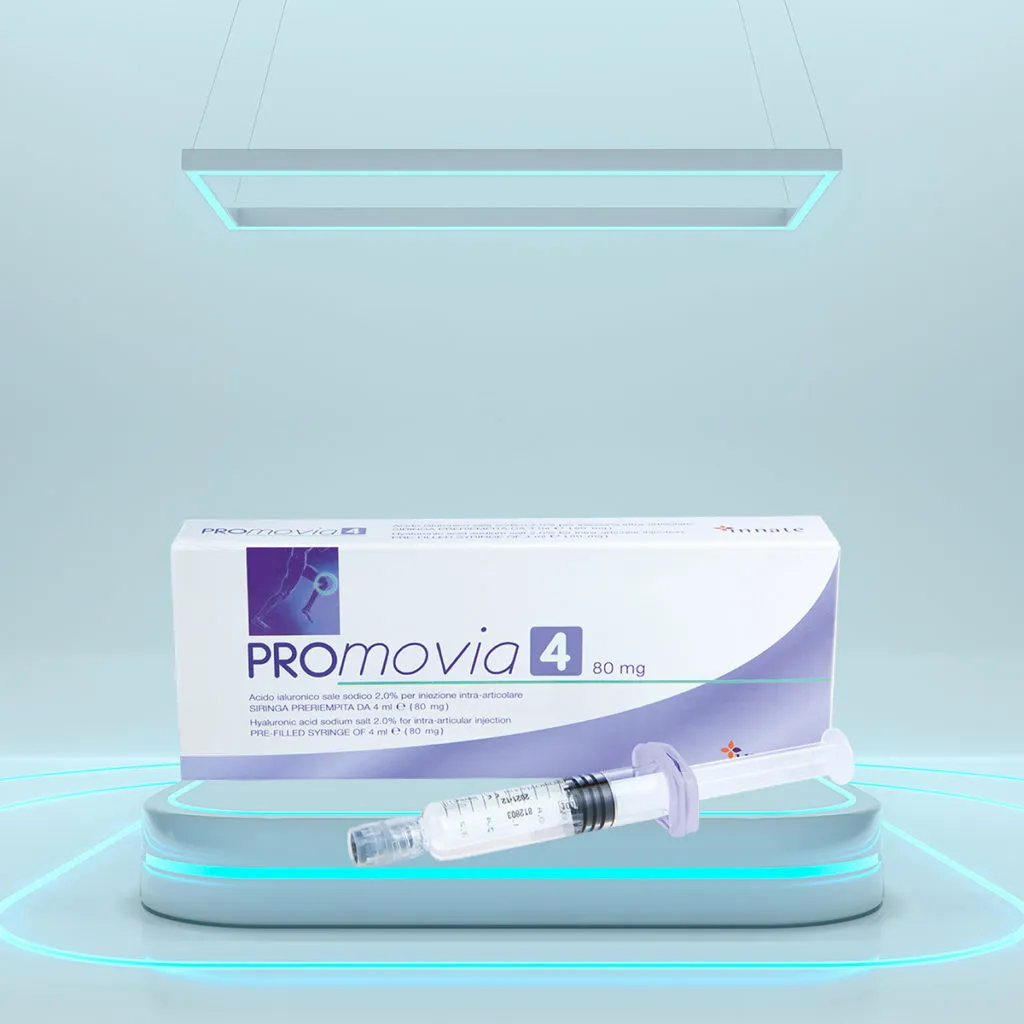


Comprehensive Introduction to Promovia Hydrobalance
Promovia Hydrobalance represents a sophisticated advancement in the field of viscosupplementation, specifically engineered for the management of joint pathologies, most notably osteoarthritis (OA). As an orthopedic specialist, understanding the role of exogenous hyaluronic acid (HA) is paramount to improving patient outcomes and restoring joint homeostasis.
Hyaluronic acid is a naturally occurring glycosaminoglycan found in high concentrations within the synovial fluid and articular cartilage. In a healthy joint, HA provides viscoelasticity, shock absorption, and lubrication. However, in osteoarthritic joints, the molecular weight and concentration of endogenous HA are significantly reduced, leading to increased mechanical stress, cartilage degradation, and chronic pain. Promovia Hydrobalance is formulated to restore these critical rheological properties, thereby acting as a therapeutic bridge to maintain joint function and delay the need for invasive surgical interventions.
Mechanism of Action: The Science of Viscosupplementation
The efficacy of Promovia Hydrobalance is rooted in its ability to mimic the rheological properties of healthy synovial fluid. The mechanism of action is multifaceted:
- Viscosupplementation: By introducing high-molecular-weight HA, the solution increases the viscosity of the synovial fluid, which improves lubrication during low-shear movements (e.g., walking) and provides shock absorption during high-shear movements (e.g., running or jumping).
- Chondroprotection: The physical barrier provided by the HA coating protects the articular cartilage from mechanical friction and inflammatory cytokines.
- Anti-inflammatory Modulation: Research suggests that exogenous HA can inhibit the production of inflammatory mediators, such as interleukin-1 beta (IL-1β) and prostaglandin E2 (PGE2), within the synovial membrane.
- Endogenous Stimulation: There is evidence that the presence of high-molecular-weight HA stimulates the synoviocytes to resume the production of endogenous, healthy hyaluronic acid.
Technical Specifications
| Feature | Specification |
|---|---|
| Active Ingredient | Sodium Hyaluronate |
| Origin | Bio-fermentation (Non-animal) |
| Molecular Weight | High (Optimized for residence time) |
| Sterilization | Steam/Autoclave |
| Delivery System | Pre-filled sterile syringe |
Pharmacokinetics and Metabolism
Following intra-articular administration, Promovia Hydrobalance undergoes a specific metabolic pathway. The exogenous HA is gradually cleared from the joint space through the lymphatic system. It is then transported to the liver and kidneys, where it is broken down into its constituent glucuronic acid and N-acetylglucosamine units. These are subsequently metabolized via the Krebs cycle and excreted as water and carbon dioxide. The residence time within the joint is optimized to provide sustained therapeutic relief, typically lasting several months depending on the severity of the patient's condition.
Clinical Indications and Usage
Promovia Hydrobalance is indicated for the treatment of pain associated with osteoarthritis of the knee, hip, and other synovial joints. It is particularly effective for patients who:
- Have failed to achieve adequate relief through conservative treatments (NSAIDs, physical therapy, weight management).
- Experience contraindications to systemic analgesics or anti-inflammatory medications.
- Are looking for a non-surgical alternative to manage joint degeneration.
Dosage Guidelines
The administration of Promovia Hydrobalance must be performed by a qualified healthcare professional under strict aseptic conditions.
- Standard Protocol: Typically involves a single injection or a series of injections depending on the specific product variant and clinical assessment.
- Injection Site: Intra-articular space (e.g., the joint capsule of the knee).
- Post-Injection Care: Patients are generally advised to avoid strenuous activity or prolonged weight-bearing for 48 hours post-injection to allow the gel to integrate properly into the synovial space.
Contraindications and Risks
While Promovia Hydrobalance is generally well-tolerated, clinicians must screen patients for specific contraindications:
- Hypersensitivity: Patients with a known allergy to hyaluronic acid or avian proteins (if applicable to specific batches, though most modern HA is bio-fermented).
- Active Infection: Never inject into a joint with an active skin infection or systemic sepsis.
- Joint Effusion: If the joint is severely inflamed or contains a large effusion, the fluid should be aspirated before the injection of Promovia Hydrobalance.
- Chronic Conditions: Use with caution in patients with severe inflammatory joint diseases like rheumatoid arthritis or gout until the acute flare is controlled.
Potential Side Effects
Most side effects are localized and transient. They may include:
* Injection site pain or tenderness.
* Mild swelling or warmth.
* Transient stiffness.
* Rarely, joint effusion or allergic reaction.
Pregnancy and Lactation Warnings
Data regarding the use of intra-articular hyaluronic acid during pregnancy and lactation is limited. As a precaution, it is generally recommended to avoid administration unless the clinical benefit clearly outweighs the potential risk. Always conduct a thorough risk-benefit analysis before proceeding with treatment in pregnant or breastfeeding patients.
Overdose Management
Due to the localized nature of intra-articular administration and the biocompatible profile of sodium hyaluronate, "overdose" in the traditional pharmacological sense is extremely rare. If an excessive volume is injected, the patient may experience significant joint pressure, pain, and swelling. Management involves:
* Aspiration of excess synovial fluid/HA volume.
* Application of ice packs.
* Rest and elevation of the affected limb.
* Monitoring for signs of intra-articular pressure-related damage.
Frequently Asked Questions (FAQ)
1. How long does it take for Promovia Hydrobalance to work?
Most patients report a reduction in pain and improved joint mobility within 2 to 4 weeks post-injection, as the HA integrates into the synovial environment.
2. Is Promovia Hydrobalance a permanent cure?
No. It is a therapeutic intervention designed to manage symptoms and delay progression. It does not reverse cartilage destruction.
3. Can I have injections in both knees at the same time?
Yes, it is common practice to treat bilateral osteoarthritis in the same session, provided the clinician follows strict aseptic protocols for each joint.
4. What should I avoid after the injection?
Avoid heavy lifting, intense physical training, or prolonged standing for at least 48 hours to minimize local inflammation.
5. Does the treatment hurt?
The injection involves a needle entering the joint, which can cause discomfort. Most clinicians use a topical anesthetic to minimize pain during the procedure.
6. How often can I repeat the treatment?
The frequency of treatment is determined by the orthopedic specialist based on the duration of symptom relief, typically ranging from every 6 to 12 months.
7. Is the HA derived from animals?
Most modern Promovia Hydrobalance formulations utilize bio-fermentation, meaning the HA is produced by bacteria, making it non-animal derived and reducing the risk of allergic reactions.
8. Can I take NSAIDs while using Promovia Hydrobalance?
Yes, but the goal of the therapy is often to reduce the reliance on oral NSAIDs, which can have systemic side effects.
9. What if I have a history of blood clotting issues?
The injection itself involves a needle. Patients on anticoagulants should be monitored for potential hematoma formation at the injection site.
10. Does this medication interact with other drugs?
There are no known significant drug-drug interactions, as the medication is localized to the joint space and has minimal systemic absorption.
Conclusion
Promovia Hydrobalance stands as a cornerstone of modern conservative orthopedic care. By effectively mimicking the body’s natural lubricating mechanisms, it offers a safe, reliable, and evidence-based approach to managing joint pain and improving the quality of life for patients suffering from degenerative joint conditions. As with any medical procedure, success is highly dependent on accurate diagnosis, proper injection technique, and a comprehensive patient management plan. Always consult with your orthopedic surgeon to determine if this therapy is the right fit for your specific clinical presentation.