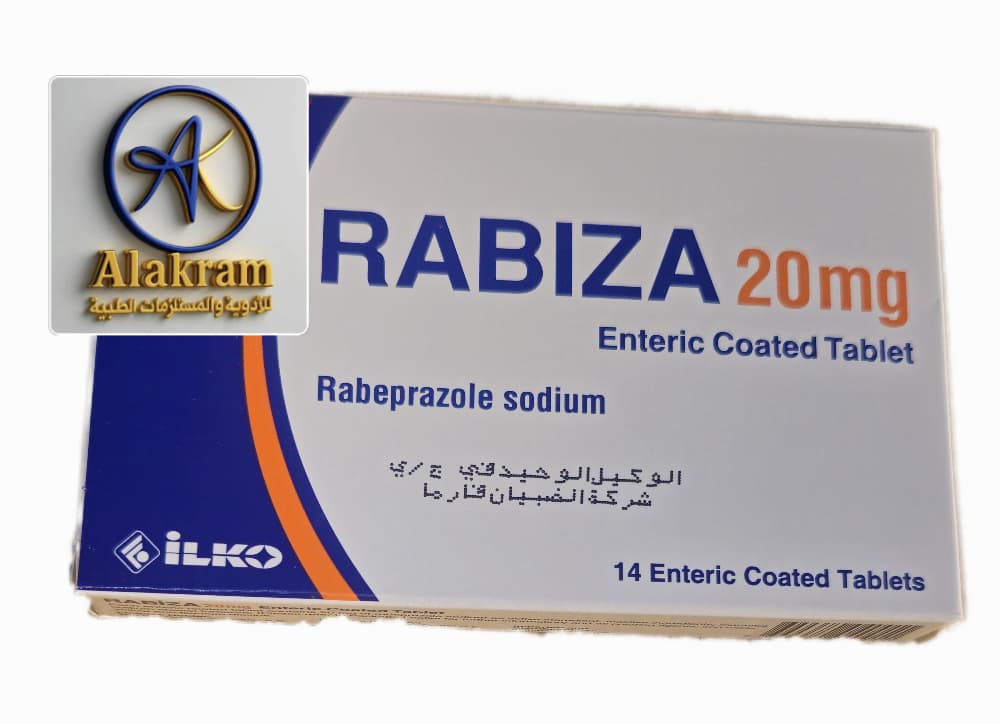

Comprehensive Guide to Rabiza 20mg Tablet: Clinical Overview
Rabiza 20mg, which contains the active ingredient Rabeprazole Sodium, is a potent proton pump inhibitor (PPI) widely prescribed in orthopedic and general medicine settings to manage acid-related disorders. In the context of orthopedic care, patients often require long-term non-steroidal anti-inflammatory drugs (NSAIDs) for chronic pain management, which significantly increases the risk of gastric mucosal injury. Rabiza 20mg serves as a critical prophylactic agent to protect the gastric lining, ensuring patient compliance with essential pain management regimens.
This guide provides an exhaustive clinical breakdown of Rabiza 20mg, intended for healthcare professionals and informed patients seeking a deeper understanding of its pharmacological profile.
Technical Specifications and Mechanism of Action
Pharmacodynamics
Rabeprazole sodium belongs to the substituted benzimidazole class of compounds. Unlike traditional H2-receptor antagonists, Rabiza 20mg acts by specifically inhibiting the H+/K+-ATPase enzyme system at the secretory surface of the gastric parietal cell.
- Mechanism: It is a prodrug that requires activation in the acidic environment of the parietal cell canaliculi. Once activated to a sulfenamide derivative, it binds covalently to the H+/K+-ATPase pump, effectively blocking the final step of gastric acid secretion.
- Duration of Action: Because the inhibition is irreversible, the duration of acid suppression exceeds the plasma half-life of the drug, allowing for once-daily dosing.
Pharmacokinetics
Understanding the pharmacokinetic profile is essential for optimizing therapeutic outcomes:
| Parameter | Description |
|---|---|
| Absorption | Rapidly absorbed; peak plasma levels reached in ~3.5 hours. |
| Bioavailability | Approximately 52% (independent of dose). |
| Protein Binding | Highly bound to human plasma proteins (~96%). |
| Metabolism | Primarily hepatic via cytochrome P450 enzymes (CYP2C19 and CYP3A4). |
| Elimination | ~90% excreted in urine as metabolites; ~10% in feces. |
Clinical Indications and Usage
Rabiza 20mg is indicated for a range of acid-related gastrointestinal conditions. Its clinical utility is supported by extensive evidence in the treatment of:
- Gastroesophageal Reflux Disease (GERD): Treatment of erosive or ulcerative GERD and maintenance of healing.
- Duodenal Ulcers: Short-term treatment of active duodenal ulcers.
- Gastric Ulcers: Treatment of active benign gastric ulcers.
- Zollinger-Ellison Syndrome: Management of pathological hypersecretory conditions.
- NSAID-Induced Gastropathy: Prophylaxis in patients undergoing long-term treatment with NSAIDs for orthopedic pain, reducing the risk of peptic ulcer disease.
- H. pylori Eradication: Used in combination with specific antibiotics to eradicate Helicobacter pylori infections.
Recommended Dosage Guidelines
The dosage of Rabiza 20mg varies based on the underlying condition and the patient's clinical response.
- GERD (Erosive/Ulcerative): 20mg once daily for 4 to 8 weeks.
- Duodenal/Gastric Ulcers: 20mg once daily in the morning for 4 to 8 weeks.
- Zollinger-Ellison Syndrome: Initial dose of 60mg daily, titrated based on individual patient needs (up to 100mg daily or 60mg twice daily).
- NSAID-associated prophylaxis: 20mg once daily for the duration of NSAID therapy.
Note: Tablets should be swallowed whole; they should not be chewed or crushed.
Risks, Side Effects, and Contraindications
Safety Profile
While generally well-tolerated, the use of PPIs like Rabiza 20mg is associated with potential adverse effects, particularly with long-term use.
Common Side Effects:
* Headache
* Diarrhea or constipation
* Nausea and abdominal pain
* Flatulence
Serious Adverse Reactions (Rare):
* Hypomagnesemia: Long-term use may lead to magnesium depletion.
* Vitamin B12 Deficiency: Chronic acid suppression can interfere with B12 absorption.
* Clostridium difficile-associated diarrhea: Increased risk of enteric infections.
* Bone Fractures: Epidemiological studies suggest a potential link between high-dose/long-term PPI use and increased risk of osteoporosis-related fractures.
Contraindications
- Hypersensitivity: Known allergy to rabeprazole or any component of the tablet.
- Hepatic Impairment: Use with caution; dose adjustments may be required for patients with severe liver disease.
Pregnancy and Lactation Warnings
- Pregnancy: There are no adequate, well-controlled studies of rabeprazole in pregnant women. It should be used during pregnancy only if the potential benefit justifies the potential risk to the fetus.
- Lactation: It is unknown whether rabeprazole is excreted in human breast milk. A decision should be made whether to discontinue nursing or discontinue the drug, taking into account the importance of the drug to the mother.
Drug Interactions
Rabiza 20mg can interact with other medications by altering gastric pH or affecting hepatic metabolism.
- Ketoconazole/Itraconazole: Reduced absorption due to increased gastric pH; avoid concurrent use.
- Warfarin: Monitor INR closely, as PPIs may increase the anticoagulant effect.
- Methotrexate: PPIs may increase serum levels of methotrexate, increasing toxicity risk.
- Digoxin: Potential increase in digoxin levels; monitor carefully.
Frequently Asked Questions (FAQ)
1. What is the best time to take Rabiza 20mg?
It is most effective when taken once daily in the morning, approximately 30–60 minutes before breakfast, to ensure optimal inhibition of acid pumps.
2. Can I stop taking Rabiza 20mg suddenly?
Yes, but if you have been on long-term therapy, you may experience "rebound acid hypersecretion." Consult your physician for a tapering plan.
3. Does Rabiza 20mg cause weight gain?
No, weight gain is not a recognized side effect of Rabeprazole.
4. Can I take this with painkillers?
Yes, it is often prescribed specifically to protect the stomach from NSAIDs like Diclofenac or Ibuprofen.
5. Is Rabiza 20mg safe for elderly patients?
Generally safe, but caution is advised due to the risk of fractures and nutrient malabsorption with long-term use.
6. What should I do if I miss a dose?
Take it as soon as you remember. If it is almost time for your next dose, skip the missed one. Do not double the dose.
7. How long does it take to start working?
Most patients experience relief from symptoms within 1 to 3 days, but full healing of ulcers can take several weeks.
8. Does it interact with alcohol?
Alcohol can exacerbate gastric irritation and GERD symptoms, potentially negating the benefits of the medication.
9. Can I take Rabiza 20mg during pregnancy?
Consult your doctor. It is typically reserved for cases where the benefits clearly outweigh the risks.
10. Are there any dietary restrictions?
While no specific foods are forbidden, avoiding caffeine, spicy foods, and late-night meals can improve the efficacy of the treatment for acid reflux.
Overdose Management
In the event of an overdose, there is no specific antidote for Rabeprazole. The drug is highly protein-bound and is not significantly removed by hemodialysis. Management should be symptomatic and supportive. If an overdose is suspected, contact a poison control center or seek emergency medical attention immediately.
Disclaimer: This document is for informational purposes only and does not constitute medical advice, diagnosis, or treatment. Always seek the advice of your physician or other qualified health provider with any questions you may have regarding a medical condition or medication.