
Comprehensive Guide to Reparil (Aescin): Clinical Overview
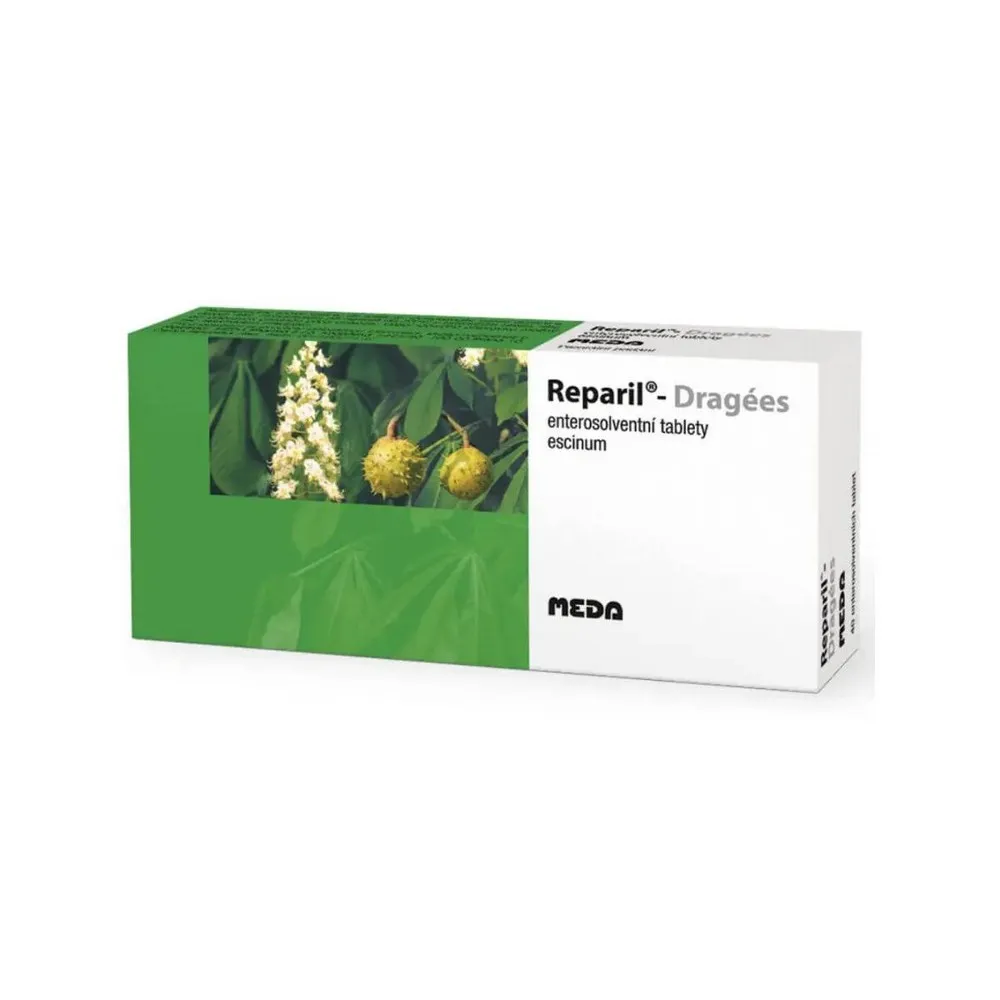
Reparil is a widely utilized pharmacological agent, primarily recognized for its anti-inflammatory, anti-edematous, and venotonic properties. The active component, Aescin (or Escin), is a saponin mixture derived from the seeds of the horse chestnut tree (Aesculus hippocastanum). In orthopedic and trauma medicine, it is frequently prescribed to manage post-traumatic swelling, hematomas, and chronic venous insufficiency.
This guide provides an exhaustive clinical breakdown of Reparil, intended for healthcare professionals and patients seeking a deeper understanding of its pharmacodynamic profile and therapeutic application.
1. Mechanism of Action: How Reparil Works
The therapeutic efficacy of Reparil is rooted in its ability to modulate vascular permeability and improve microcirculation. Unlike systemic corticosteroids or non-steroidal anti-inflammatory drugs (NSAIDs), Reparil works through a unique multi-modal pathway.
The Aescin Effect
Aescin acts primarily on the vascular endothelium. Its mechanism can be categorized into three distinct physiological actions:
- Sealant Effect (Capillary Stabilization): Aescin reduces the permeability of the capillary walls by modulating the integrity of the endothelial glycocalyx. By sealing the gaps between endothelial cells, it prevents the leakage of fluid, electrolytes, and proteins into the interstitial space.
- Anti-Inflammatory Modulation: It inhibits the release of inflammatory mediators, including lysosomal enzymes, which are typically released following tissue injury. This prevents the degradation of the capillary membrane.
- Venotonic Action: Aescin promotes the contractility of venous smooth muscle cells, effectively increasing venous tone. This facilitates better venous return and reduces venous stasis.
Physiological Impact Table
| Physiological Process | Impact of Reparil (Aescin) |
|---|---|
| Capillary Permeability | Decreased (Stabilization) |
| Inflammatory Mediators | Suppressed (Lysosomal inhibition) |
| Venous Stasis | Reduced (Increased venous tone) |
| Interstitial Edema | Reduced (Reabsorption of fluid) |
2. Pharmacokinetics
Understanding the movement of Reparil within the body is essential for determining dosage intervals.
- Absorption: When administered orally (as enteric-coated tablets), Aescin is absorbed in the small intestine. The enteric coating is crucial to prevent gastric irritation.
- Distribution: Once absorbed, Aescin binds significantly to plasma proteins (primarily albumin). It is widely distributed to areas of high vascular permeability, specifically targeting site-specific edema.
- Metabolism & Excretion: Aescin undergoes hepatic metabolism. The metabolites are primarily excreted via the biliary route into the feces, with a smaller fraction excreted renally.
3. Clinical Indications and Usage
Reparil is indicated for a range of conditions where edema and inflammation are the primary clinical challenges.
Primary Indications
- Post-Traumatic Edema: Following fractures, contusions, sprains, or surgical interventions.
- Chronic Venous Insufficiency (CVI): Management of symptoms such as leg heaviness, nocturnal cramping, and edema.
- Post-Operative Swelling: Used in orthopedic surgery to reduce swelling around the site of incision.
- Tendonitis and Tenosynovitis: Used as an adjunct to physical therapy to reduce localized tissue swelling.
Dosage Guidelines
Dosage must be tailored to the severity of the condition. Always adhere to the specific product formulation (Tablets vs. Gel).
| Patient Population | Typical Oral Dosage (Tablets) |
|---|---|
| Adults (Acute) | 2 tablets, 3 times daily |
| Adults (Maintenance) | 1 tablet, 3 times daily |
| Pediatric Use | Not recommended without specialized medical oversight |
Note: Tablets should be taken after meals with a sufficient amount of water to minimize gastric discomfort.
4. Risks, Side Effects, and Contraindications
While Reparil is generally well-tolerated, it is not devoid of risks. Clinical vigilance is required, especially in patients with pre-existing renal or hepatic conditions.
Common Side Effects
- Gastrointestinal Distress: Nausea, epigastric pain, or abdominal cramping.
- Dermatological: Rare instances of allergic skin reactions (specifically with the topical gel formulation).
Contraindications
- Renal Impairment: Patients with severe renal failure should avoid systemic Aescin due to potential accumulation.
- Pregnancy/Lactation: Use is generally discouraged during the first trimester. Clinical data on safety during breastfeeding is insufficient; therefore, it is not recommended.
- Hypersensitivity: Known allergy to horse chestnut extract or any excipients in the formulation.
Drug Interactions
- Anticoagulants: There is theoretical potential for Aescin to enhance the effect of anticoagulants (e.g., Warfarin). Close monitoring of INR is advised.
- Nephrotoxic Agents: Avoid concurrent use with aminoglycoside antibiotics or other drugs that exert significant renal stress.
5. Overdose Management
Acute overdose of Reparil is rare but requires immediate medical attention.
- Symptoms of Overdose: Severe nausea, vomiting, diarrhea, and in extreme cases, hypotension or signs of renal irritation.
- Treatment Protocol:
- Gastric Lavage: If ingestion occurred within a short timeframe.
- Symptomatic Support: Maintenance of fluid and electrolyte balance.
- Monitoring: Renal function tests (Creatinine, BUN) should be monitored for 24–48 hours post-ingestion.
6. Frequently Asked Questions (FAQ)
1. How long does it take for Reparil to show results?
Most patients observe a reduction in localized swelling within 3 to 5 days of consistent use. However, for chronic venous conditions, long-term therapeutic effects may require 2 to 4 weeks.
2. Is Reparil an anti-inflammatory drug like Ibuprofen?
No. While it reduces inflammation, it does not act through the COX-1/COX-2 inhibition pathway like NSAIDs. It is a vascular stabilizer.
3. Can I use Reparil Gel and Tablets together?
Yes, in many orthopedic cases, a combination of systemic (tablets) and topical (gel) treatment is used to accelerate the reduction of hematomas.
4. Does Reparil cause weight gain?
No, Reparil does not cause weight gain. Any perceived change in weight is likely related to the reduction or fluctuation of fluid retention (edema).
5. Should I take Reparil on an empty stomach?
It is strongly advised to take the tablets after a meal to prevent gastric irritation.
6. Is Reparil safe for professional athletes?
Aescin is not listed as a banned substance by WADA (World Anti-Doping Agency). However, athletes should always check with their team physician.
7. What should I do if I miss a dose?
Take the missed dose as soon as you remember. If it is almost time for your next dose, skip the missed one. Do not double the dose.
8. Is Reparil effective for bruises?
Yes, Reparil is highly effective for hematomas (bruises) as it accelerates the resorption of blood extravasation into the tissues.
9. Can I drive while using Reparil?
There is no evidence that Reparil impairs cognitive function or reaction time. It is safe to drive while on this medication.
10. Does it interact with birth control pills?
There are no documented clinical interactions between Aescin and oral contraceptives.
Conclusion
Reparil (Aescin) remains a cornerstone in the conservative management of vascular-related inflammatory conditions. Its ability to stabilize capillary membranes makes it a preferred choice for orthopedic trauma recovery and venous health. As with all medications, it should be used under the guidance of a healthcare professional, ensuring that contraindications are respected and dosages are optimized for individual patient needs.
Disclaimer: This guide is for educational purposes only and does not constitute medical advice. Always consult with a licensed physician or pharmacist before starting any new medication.