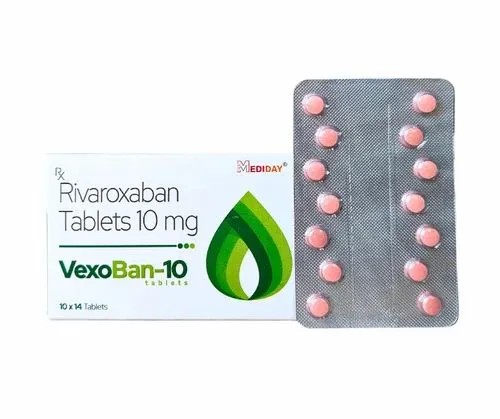
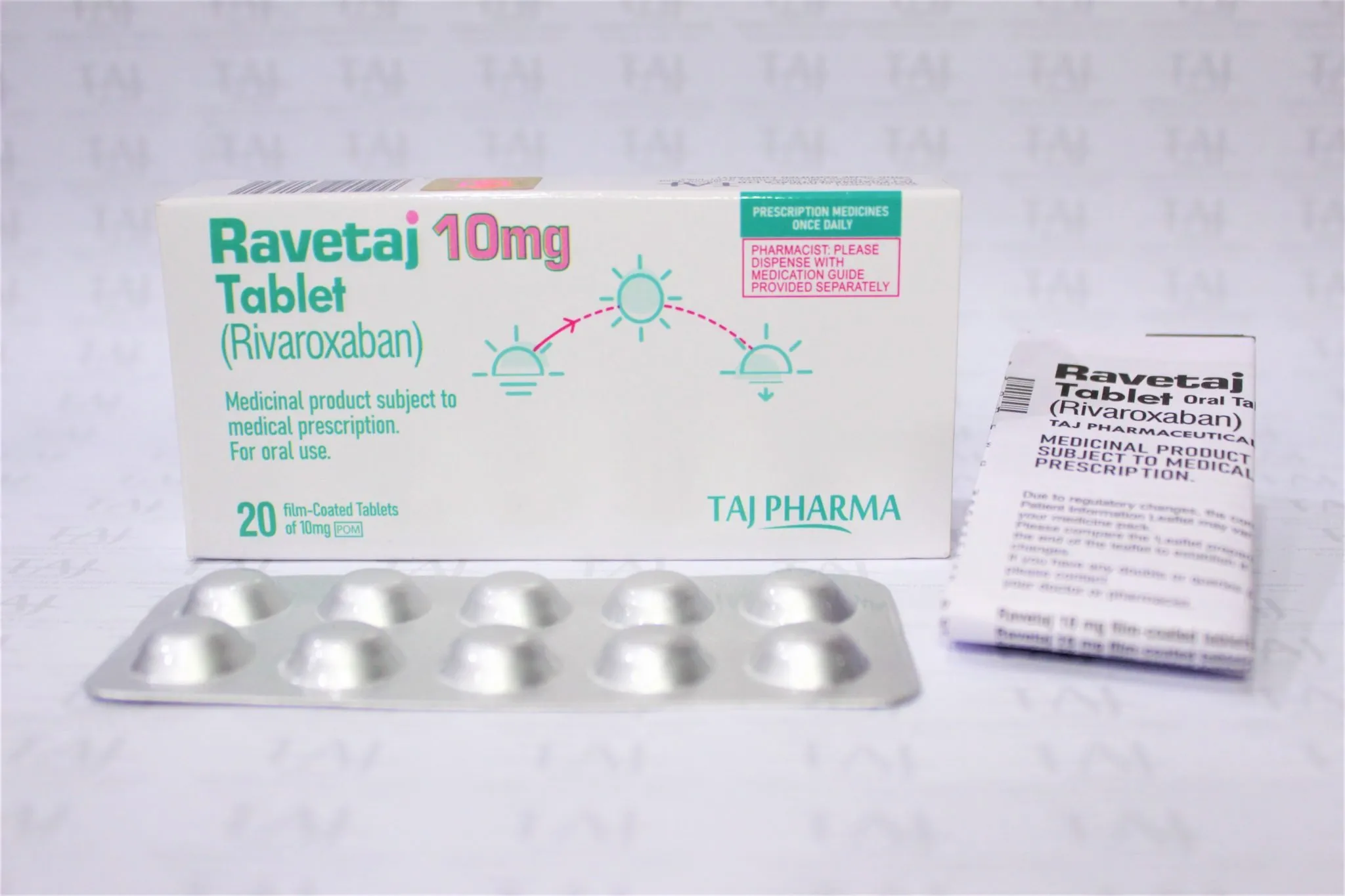
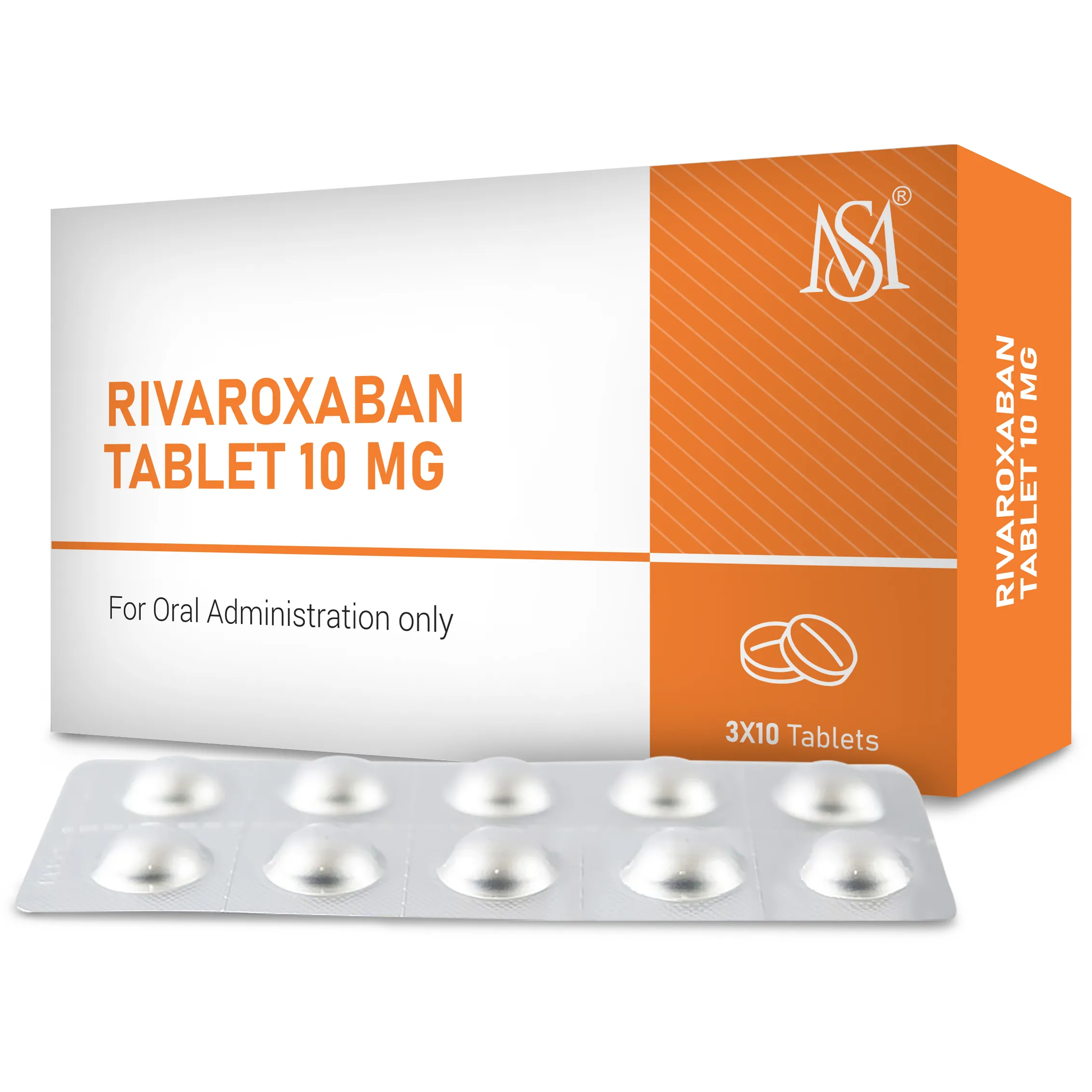

Comprehensive Overview of Revarox (Rivaroxaban)
Revarox, known generically as Rivaroxaban, represents a cornerstone in modern anticoagulant therapy. As a highly selective, direct Factor Xa inhibitor, it has revolutionized the management of thromboembolic disorders. Unlike traditional anticoagulants like Warfarin, which require frequent blood monitoring and dietary restrictions, Revarox offers a predictable pharmacokinetic profile and a fixed-dose regimen, significantly improving patient compliance and clinical outcomes in orthopedic and cardiovascular medicine.
This guide provides an exhaustive review for healthcare professionals and patients regarding the pharmacological properties, clinical applications, and safety protocols associated with Revarox.
Mechanism of Action: The Science of Factor Xa Inhibition
The efficacy of Revarox lies in its precise targeting of the coagulation cascade. Blood coagulation is a complex process; however, Factor Xa sits at the critical junction of the intrinsic and extrinsic pathways.
Pharmacodynamics
Revarox binds directly to the active site of Factor Xa, effectively inhibiting both free Factor Xa and clot-bound Factor Xa. By blocking this enzyme, Revarox prevents the conversion of prothrombin to thrombin. Since thrombin is the enzyme responsible for converting fibrinogen into fibrin (the structural backbone of a clot), the inhibition of Factor Xa effectively halts the amplification of the coagulation cascade.
- Selectivity: Highly selective for Factor Xa; does not require a cofactor (like Antithrombin III) to exert its effect.
- Rapid Onset: Reaches peak plasma concentration within 2–4 hours post-ingestion.
- Predictability: Exhibits a dose-proportional response, minimizing the need for routine coagulation monitoring (e.g., INR).
Pharmacokinetics Profile
Understanding how the body processes Revarox is essential for optimizing therapeutic outcomes, particularly in patients with renal or hepatic impairment.
| Parameter | Characteristic |
|---|---|
| Bioavailability | High (80–100% for 10mg dose) |
| Protein Binding | 92–95% (mostly to serum albumin) |
| Metabolism | Hepatic (CYP3A4/5, CYP2J2) |
| Elimination Half-life | 5–9 hours (young) to 11–13 hours (elderly) |
| Excretion | Renal (66%) and Fecal (28%) |
Clinical Indications and Usage
Revarox is indicated for a wide array of thromboembolic conditions. Its utility is particularly noted in orthopedic surgery, where post-operative venous thromboembolism (VTE) prophylaxis is paramount.
1. Prophylaxis of DVT and PE
Used extensively following elective hip or knee replacement surgery to prevent deep vein thrombosis (DVT), which may lead to pulmonary embolism (PE).
2. Treatment of DVT and PE
Used for the acute treatment of DVT and PE, and for the reduction in the risk of recurrence of DVT and PE following initial therapy.
3. Stroke Prevention in Non-Valvular Atrial Fibrillation (NVAF)
Reduces the risk of stroke and systemic embolism in patients with non-valvular atrial fibrillation.
4. Chronic Coronary Artery Disease (CAD)
Used in combination with aspirin to reduce the risk of major cardiovascular events in patients with chronic CAD or peripheral artery disease (PAD).
Dosage Guidelines
Dosage must be strictly followed based on the specific indication and patient-specific renal function.
Standard Dosage Table
| Indication | Recommended Dosage |
|---|---|
| Hip/Knee Replacement Prophylaxis | 10 mg once daily |
| DVT/PE Treatment | 15 mg twice daily for 21 days, then 20 mg once daily |
| Stroke Prevention (NVAF) | 20 mg once daily (with food) |
| Reduction of CV events (CAD/PAD) | 2.5 mg twice daily |
Note: Dosage adjustment is mandatory for patients with a creatinine clearance (CrCl) < 50 mL/min.
Contraindications and Safety Warnings
While Revarox is effective, it carries inherent risks associated with its anticoagulant nature.
Contraindications
- Active Pathological Bleeding: Patients with current significant bleeding.
- Hypersensitivity: Known severe hypersensitivity to Rivaroxaban.
- Mechanical Heart Valves: Revarox is NOT indicated for patients with mechanical prosthetic heart valves.
Critical Warnings
- Spinal/Epidural Hematoma: Patients undergoing neuraxial anesthesia or spinal puncture are at risk of developing an epidural or spinal hematoma, which can result in long-term or permanent paralysis.
- Renal Impairment: Clearance is significantly reduced in patients with severe renal impairment. Use with caution.
- Hepatic Impairment: Avoid use in patients with Child-Pugh B or C cirrhosis.
Drug Interactions
Revarox is a substrate of CYP3A4 and P-glycoprotein (P-gp). Interactions with potent inhibitors or inducers of these pathways can lead to sub-therapeutic or toxic levels of the medication.
- Potent CYP3A4/P-gp Inhibitors: (e.g., Ketoconazole, Ritonavir) Increase exposure to Revarox; avoid concurrent use.
- Potent CYP3A4/P-gp Inducers: (e.g., Rifampin, Phenytoin, St. John’s Wort) Decrease exposure to Revarox; avoid concurrent use.
- Antiplatelet Agents: Concurrent use with NSAIDs, aspirin, or clopidogrel increases the risk of bleeding.
Pregnancy and Lactation
- Pregnancy: Revarox is classified as Pregnancy Category C. There are no adequate, well-controlled studies in pregnant women. It should be used only if the potential benefit justifies the potential risk to the fetus. It is generally advised to avoid Revarox during pregnancy.
- Lactation: It is unknown if Revarox is excreted in human milk. Nursing mothers should either discontinue the drug or discontinue nursing.
Overdose Management
There is no specific antidote for Revarox in many clinical settings, although Andexanet alfa is approved as a reversal agent for life-threatening or uncontrolled bleeding.
- Stop Administration: Immediately discontinue the medication.
- Supportive Care: Monitor for signs of bleeding (hematuria, melena, epistaxis).
- Activated Charcoal: May be considered if the ingestion was recent (within 1–2 hours) to limit absorption.
- Hemodialysis: Not effective due to high plasma protein binding.
Frequently Asked Questions (FAQ)
1. Does Revarox require blood monitoring?
No. Unlike Warfarin, Revarox has a predictable pharmacodynamic effect, meaning routine blood tests like INR are generally not required.
2. What should I do if I miss a dose?
If you are on a 20 mg once-daily dose, take it as soon as you remember on the same day. If you are on a 15 mg twice-daily dose, take it immediately to ensure you get 30 mg total for the day. Do not double the dose.
3. Can I take Revarox with food?
The 20 mg dose for NVAF should be taken with food to ensure optimal absorption. The 10 mg dose can be taken with or without food.
4. Is Revarox safe for patients with kidney disease?
It depends on the severity. Dosage adjustments are required for patients with moderate renal impairment, and it is generally avoided in patients with severe impairment (CrCl < 15 mL/min).
5. Can I undergo surgery while on Revarox?
Usually, the medication must be discontinued 24–48 hours before elective surgery to minimize the risk of bleeding. Consult your surgeon.
6. Does Revarox interact with herbal supplements?
Yes. St. John’s Wort can reduce the effectiveness of Revarox, while supplements like garlic, ginger, or ginkgo biloba may increase the risk of bleeding.
7. What are the most common side effects?
The most frequent side effect is bleeding, including bruising, nosebleeds, or bleeding gums.
8. Is there an antidote for Revarox?
Yes, Andexanet alfa is a reversal agent used in emergency situations involving life-threatening bleeding.
9. Can I switch from Warfarin to Revarox?
Yes, but this must be done under strict physician supervision. Typically, Warfarin is discontinued, and Revarox is started once the INR drops below a certain threshold.
10. How long do I need to take Revarox after surgery?
The duration depends on the type of surgery and individual risk factors. Follow the specific duration prescribed by your orthopedic surgeon, typically ranging from 12 to 35 days for hip/knee replacements.
Disclaimer: This guide is for educational purposes only and does not constitute medical advice. Always consult with a qualified healthcare professional regarding any medication, diagnosis, or treatment plan.